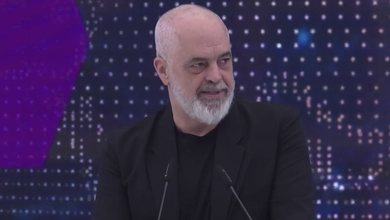



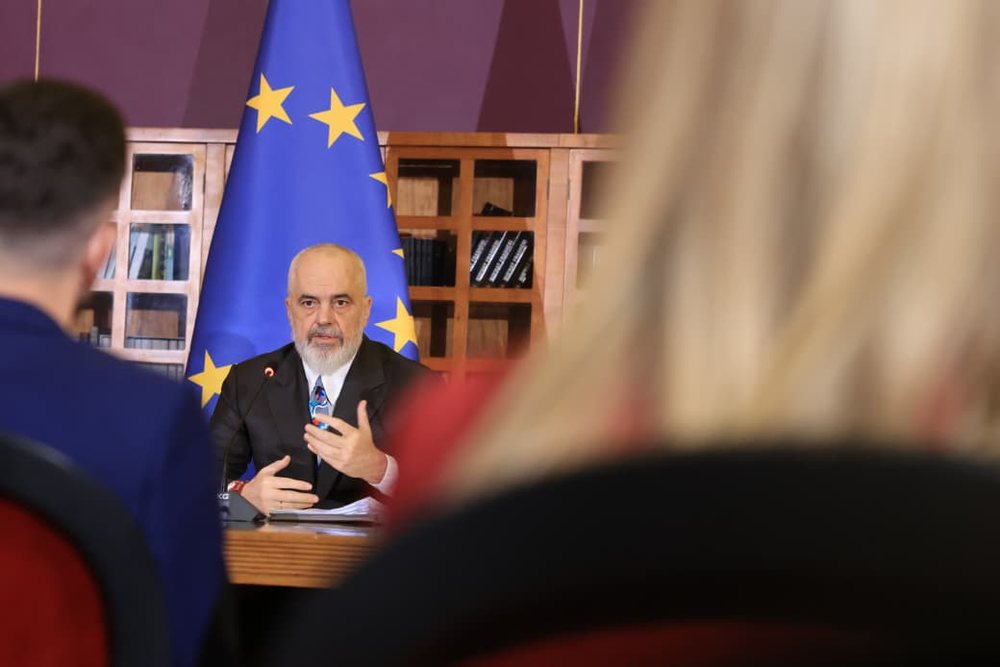
Speaking before the Socialist Party assembly on Saturday, Prime Minister Edi Rama reiterated his ambition to amend the Constitution in order to reduce the number of MPs. In the absence of a qualified majority for constitutional changes, Rama threw into the field the possibility of a referendum.
"We will reduce the number of MPs, I believe we are late for this, but we have all the time necessary to call Albanians to a referendum," said Rama, announcing a new legal initiative for referendums.
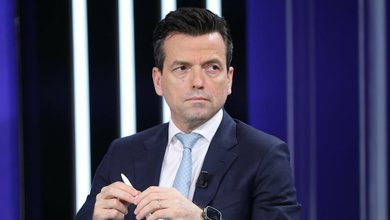
Just three days later, the leader of the socialist parliamentary group, Taulant Balla, presented a draft law “On Referendums in the Republic of Albania”, which according to him would be an additional mechanism for the government “to consult with voters on its legal initiatives”.
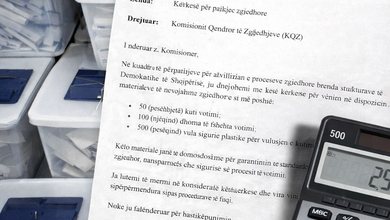
The last referendum in Albania was held in 1998, when the Constitution that is currently in force was voted on. According to the SP draft, a referendum on constitutional amendments can be initiated by 2/3 of all members of the Assembly, while a constitutional amendment approved in the Assembly can be subject to a popular vote upon the request of 1/5 of the members of the Assembly.
Opposition representatives oppose the Socialist Party's initiative, considering it an attempt to undermine the ongoing electoral reform.
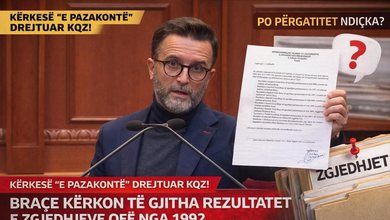
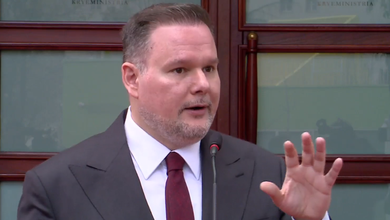
“Any legal initiative related to electoral reform must be approved by consensus, and this includes the law on referendums,” Oerd Bylykbashi, the opposition co-chair of the Special Commission for Electoral Reform, told BIRN.
“Referendums are provided for in the Electoral Code and any discussion on these provisions should be part of the work of the special committee and should be reached by consensus based on the decision of parliament that requires political consensus on any change related to this reform,” he added.
On the other hand, Bylykbashi sees the proposal of this law as an attempt by the majority and Rama to divert attention from the corruption affairs that the government is facing.
"In the short term, they seek to avoid debate on important current issues such as Balluk and AKSHI," he added.
The legal formulations in the content of the draft with 88 articles proposed by the Socialist Party have raised concerns among civil society and the opposition about the undoing of the constitutional right of citizens to decide and the political goals of the majority in the use of this legal mechanism.
Migen Qiraxhi from 'Civic Stability' told BIRN that the SP's referendum project "undoes the constitutional right of the people to decide, as provided for in the Constitution, since the initiative for a constitutional referendum can only be taken by 2/3 of the deputies and not the people themselves."
"Secondly, regarding general and local referendums, it is unfair to call them 'referendums', as in the articulation of the draft act they resemble more like citizen surveys organized with public money, as the power of citizens will only be consultative, not decision-making," he added.
Qiraxhi also notes contradictory wording in the draft that makes it impossible for a referendum to change the Constitution to succeed. To be considered approved, a constitutional referendum requires, according to the SP proposal, to receive the 'yes' vote of more than 50% of citizens with the right to vote, a prediction that contradicts the actual data on participation in the elections.
A referendum is an electoral mechanism for direct democracy, where the people decide on a draft law or an important issue. But this mechanism can be used to achieve the political goals of a political party, according to lawyer Gentian Serjani from the Center for Social Justice.
Serjani believes that the Socialists' initiative is linked precisely to this goal, to use the referendum mechanism for unilateral constitutional changes, thereby endangering, according to him, the Electoral Reform.
“The perception is increasingly being reinforced that the Socialist Party acts mainly when its interests are affected,” Serjani told BIRN, noting that although the adoption of a law on referendums has been requested for years by various social groups, there has never been the will from the majority to move it forward.
In Serjan's view, there is a risk that the referendum will be used as a 'legitimization tool by political parties to change the Constitution according to their interests, and not necessarily in accordance with the will of the citizens'.
"It is known that in recent months, one of the main goals has been to confront the power of the judiciary and try to weaken the role of SPAK. To achieve this, in addition to legal changes, constitutional changes are also required," he says./BIRN