


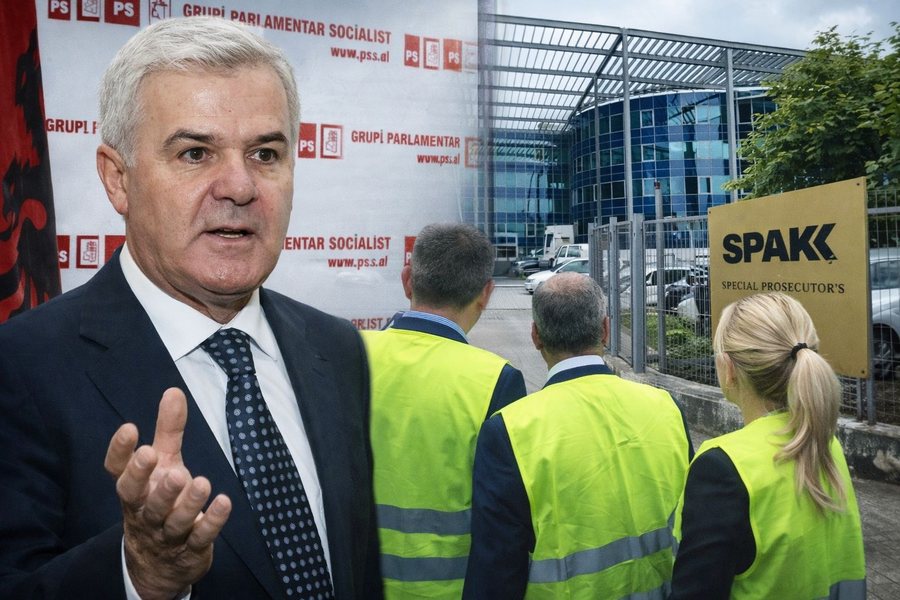
Fatmir Xhafaj's initiative to inspect the courts was triggered by a letter from the Supreme Court of Justice regarding security in the courts. And at this point the concern is legitimate. Ordinary courts have often been at the mercy of fate and individuals with mental problems who have even fired their guns to kill judges, as in the tragic case of Astrit Kalaja.
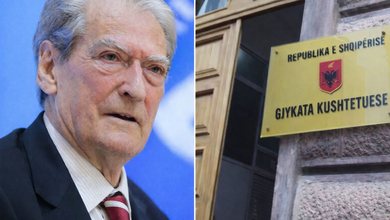
But even after this real concern, the "old wolf of injustice" remains insensitive: Xhafaj has sent deputies from his monitoring commission to the courts. SPAK immediately returned the blow by showing him the legal limit of action.
The independence of the judiciary is sacred and a basic premise of the rule of law, and the first to protect it are judges and prosecutors. Senior politicians can cross the threshold of SPAK only as defendants or to testify, where SPAK asks the questions and MPs answer. This is the rule.
Perhaps Fatmir Xhafaj's turn may come, but not when he chooses it, but when the special prosecutors decide.
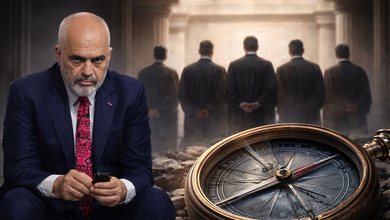
Therefore, the move by Xhafaj's deputies to question prosecutors and judges, supposedly concerned about their "safety", is the hypocrisy of an old State Security apparatus. If it really had this concern, it should first have stood up to the SP and Municipality mobs that almost took the judges and prosecutors hostage in the Erion Veliaj case. Or at least made a public reaction.
The magistrates, on the other hand, are right in their concern. But they, more than anyone, should know that security in the courts is the direct responsibility of the government and the Assembly. This concern cannot be addressed by servility to the ignorant deputies that Xhafaj leads up and down with their hands in their pockets in the courts and the prosecutor's office.
The case of the president of the GJKKO showing the Xhafaj MP the doors, windows, and fence of the court is a sign of weakness and diminishes the public perception of independence and healthy distance from politics and politicians.
In the justice system, most people know that the obligation for security is initially the responsibility of the Supreme Court of Justice and the Supreme Court of Justice, who, together with the heads of courts and prosecutors’ offices, must draft the technical needs, interventions, expenses and rules for the security of magistrates. This is provided for in the Constitution. Further, these needs are officially sent to the Prime Minister and the Parliament – not as “charity”, but as a request to fulfill the constitutional obligation.
The country's Prime Minister can afford to mock and laugh at the salaries of judges, but never at their lives and health.
On the other hand, the Assembly's rules of procedure do not give MPs the right to conduct inspections and monitoring in independent institutions. They have the right to control the government and administration, as the Constitution obliges them to, but not the judiciary.
Xhafaj's expedition to the courts was simply an attempt to create official "bridges of cooperation" with judges and prosecutors of the cases, and under this guise to recreate informal connections, to intervene in concrete cases. Xhafaj did not hide this even in today's meeting with representatives of the KLP, the KLGJ, the General Prosecutor's Office, the Ministry of Justice and the Ministry of Interior.
The chairman of the commission spoke very little (or not at all) about cybersecurity, about which he vaguely said that he “didn’t know much.” Meanwhile, rumors say that his name may be included in a SPAK investigative file specifically for hacking the computers of special prosecutors.
Xhafaj did not hide this concern when he expressed his dissatisfaction that SPAK had closed the door to the "cooperation" he had offered.
"There needs to be understanding between the powers, we are a parliamentary republic, they do not have an influential character" - was his message to the SPAK prosecutors who closed the door to cooperation. But if they are serious and professional, it is up to the prosecutors to see the investigations they have started to the end without being complicated by political power and the beautiful displays of a cooperation that alone cannot be such.