

Albanians who were expecting real government intervention to lower the price of oil must have realized by now that their expectations were excessive. While global markets experience fluctuations from international tensions, the minimum expected price per liter of diesel remains above 218 lekë, putting the citizens of this country with the lowest wages in Europe in a difficult position compared to richer countries.
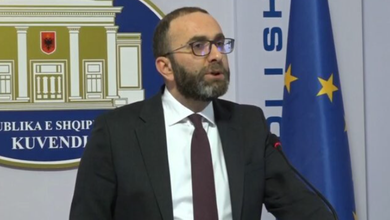
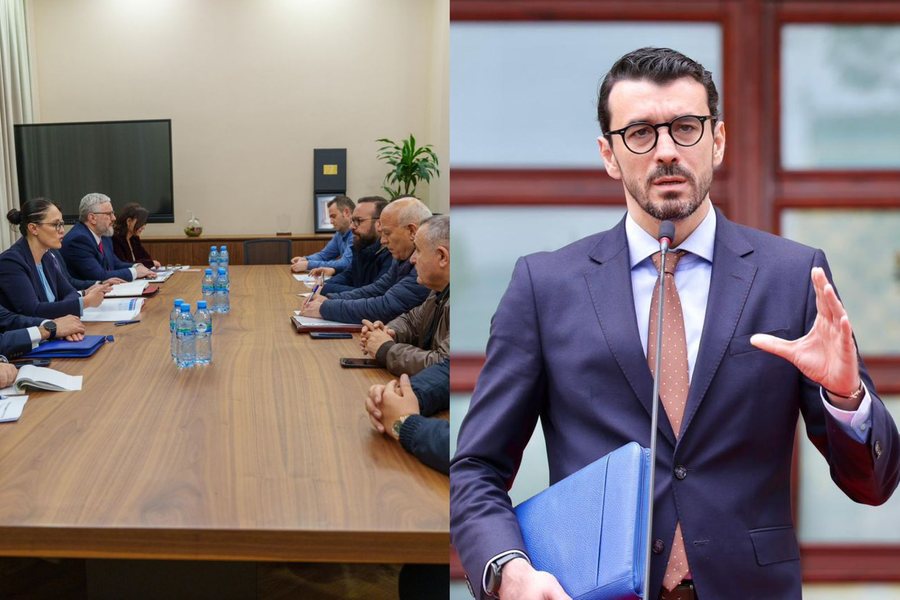
The Transparency Board, which was theoretically supposed to protect consumers from abuses, appears to be just a formal decoration. The Minister of Energy, Enea Karakaçi, reused the same argument that has been used for a long time that “the circulation tax is part of the price for each liter of fuel, justifying charging according to consumption.”
And as usual, the minister mentioned the role of the Transparency Board, which attributed the "success" to having saved citizens 1 lek, leaving the price at 218 lek per liter.
"Today the price is 218 lek and there could be room for a higher increase of 1 lek and the board has not met," said Karakaçi.
As previously reported, the Board's decisions no longer have any real authority. A few days ago, it imposed an immediate price cut of 14-15 lek, but that was reversed within 24 hours after pressure from major fuel importers. They threatened to suspend supplies and delay customs clearance to avoid selling below cost, forcing the government to back down.
This episode clearly shows that the Transparency Board is a formal mechanism that cannot protect the citizen. Albanians continue to pay higher fuel prices than neighboring countries with around 1.16 euros in taxes per liter compared to 0.55–0.67 euros in Montenegro, Kosovo and Macedonia.
As a result, many citizens choose to source their supplies abroad, draining up to 1 million euros per day from the Albanian economy, according to expert estimates.