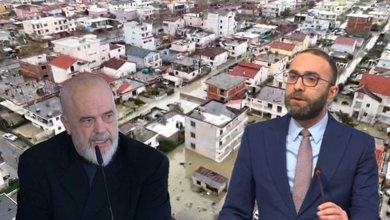



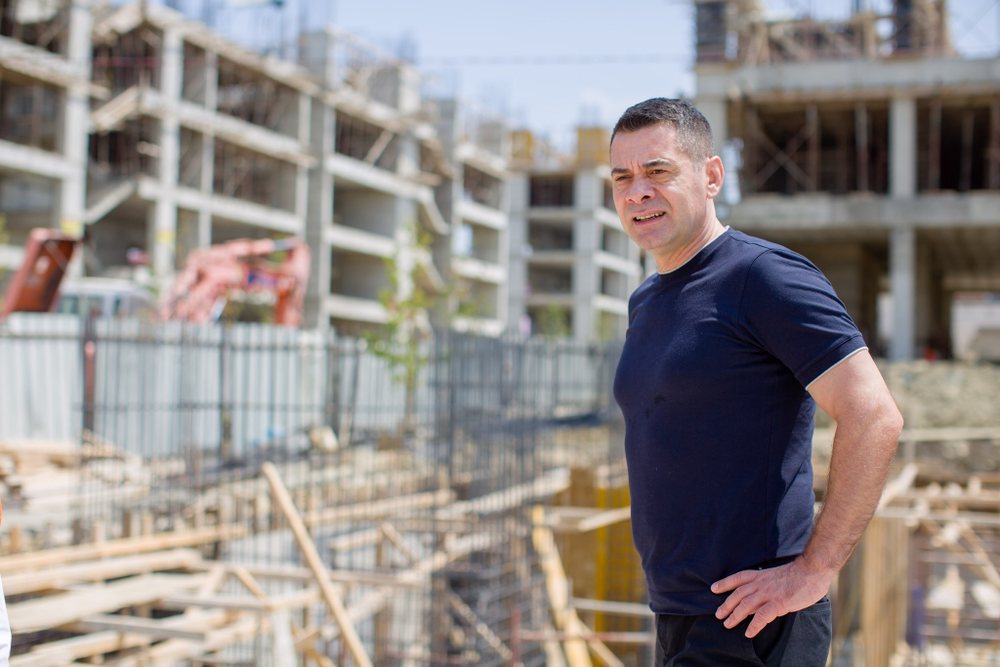
In the fourth series of interviews from Switzerland, Arben Ahmetaj has decided to give the public another chapter of his personal story, this time with dramatic, philosophical and heroic tones at the same time. The former deputy prime minister of Edi Rama, for more than a decade a minister and a man with the government portfolio in his pocket, speaks today about "two deaths of a man": one when God takes his breath and the other when, according to him, Edi Rama and Altin Dumani take away their dignity.
Ahmetaj presents himself as a victim of moral violence, warning that no one should dare approach his family, while swearing that he no longer speaks only for himself, but "for the country." A familiar rhetoric, but this time accompanied by an inventory of personal heroism: from the hunger strike of 1991, to the closure of pyramid schemes, where Ahmetaj places himself at the center of history, as a 27-year-old boy who, along with several other names, saved Albania from financial collapse.
According to him, he has done nothing for himself. Neither the strikes, nor the difficult decisions, nor the key roles in the government. Everything has been for the country, for the family, for his three daughters. And today, says Ahmetaj, he cannot forgive himself for seeing Albania "in the hands of organized crime, drug cartels and corruption", an Albania that, according to him, belongs only to the "head of the organization" and 15 oligarchs.
It is here, ironically, that the only truly new element in this series of stories appears: the discovery that there are 15 oligarchs in Albania. A precise, nicely rounded number, but without any names, without any examples, and without any answer to the essential question: who are these oligarchs and why did Arben Ahmetaj not see them for more than 10 years while he was minister and deputy prime minister?
Did he cooperate with them? Did he sign tenders? Did he meet them during the reconstruction? Or do the oligarchs only appear when yesterday's party comrades and "thieves within the species" need to be hit? The questions remain unanswered, while the narrative continues to be built on pathos, victimization, and selective autobiography.
From Switzerland, Arben Ahmetaj speaks today like a late dissident, denouncing a system he built himself, attacking a power he exercised himself, and exposing oligarchs who, surprisingly, never caught his eye when he was at the heart of the government.
A tragic hero in words, but a very concrete co-author in deeds.