


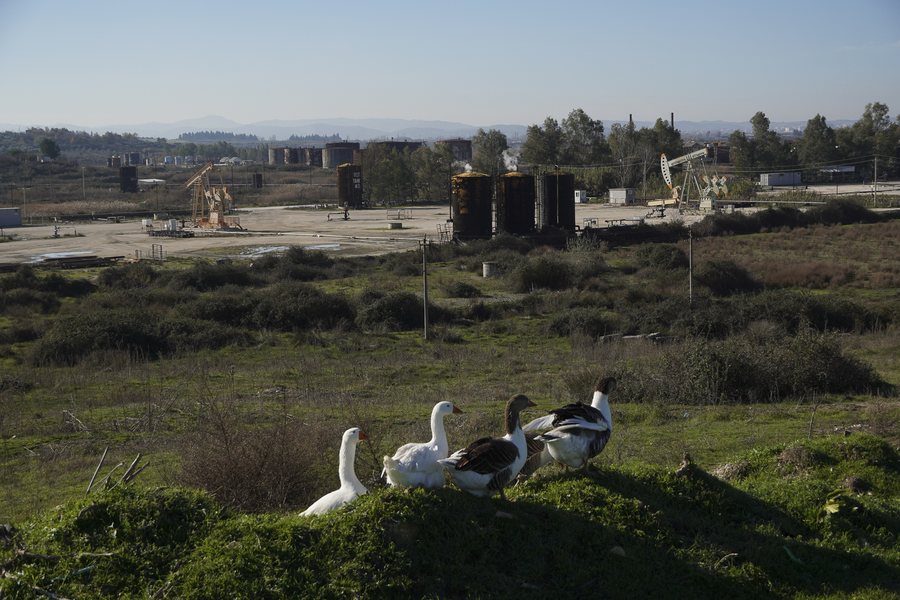
The Albanian National Institute of Health finds high levels of pollution in the Patos-Marinëz oilfield and increased malignant, cardiovascular and respiratory diseases. Residents' stories: "Fear for children". All linked to oil for employment, but also for disease.
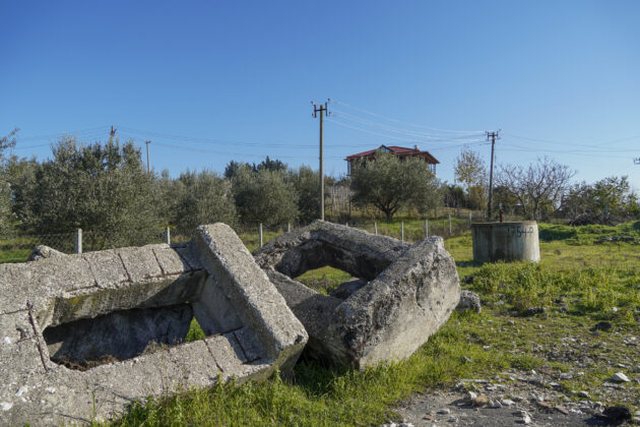
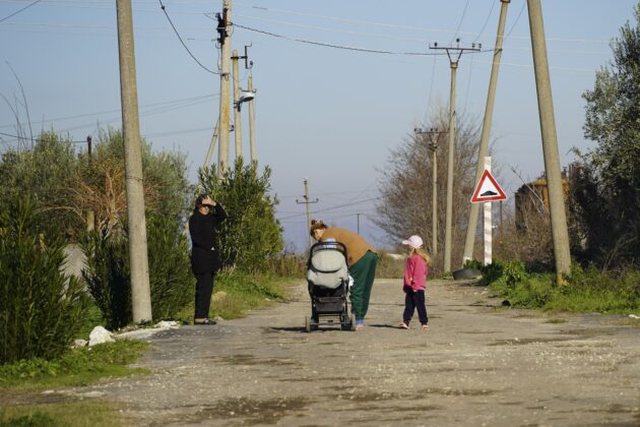
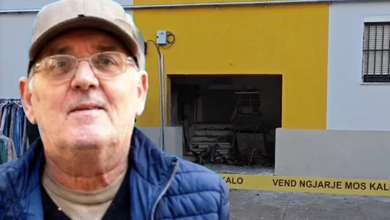
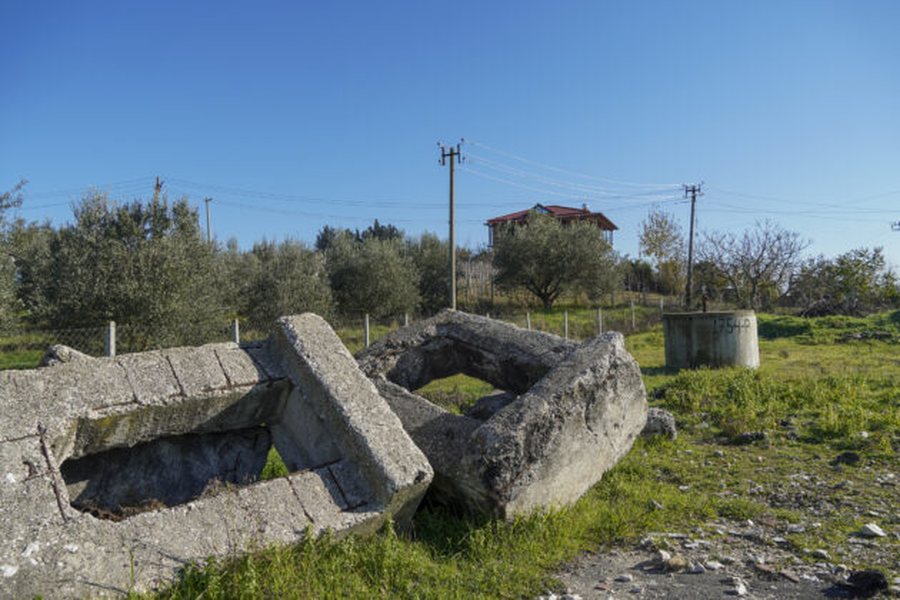
Next to the house's doorstep, the 'black' well no. 1754-P, now isolated with a concrete cover, is a sign that is not easily removed for the 71-year-old and her children, big and small. "Almost everyone here has carbon monoxide in their blood. We do a check-up (analysis) and we get suspicious blood. We don't know what to do because our ages are gone, we have to worry about our children, our generations, children in kindergartens, schools, what kind of air will they get here?" - raises the concern of the 71-year-old mother.
"Almost everyone here has carbon monoxide in their blood. We do a check-up (analysis) and we get suspicious blood. We don't know what to do because our age is gone, we have to worry about our children, our generations, children in kindergartens, schools, what kind of air will they get here?"
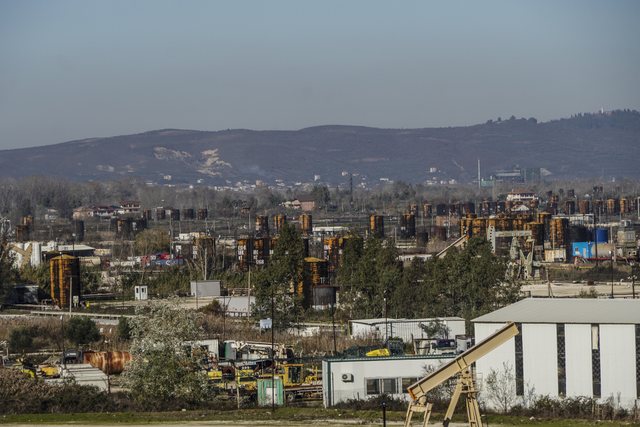
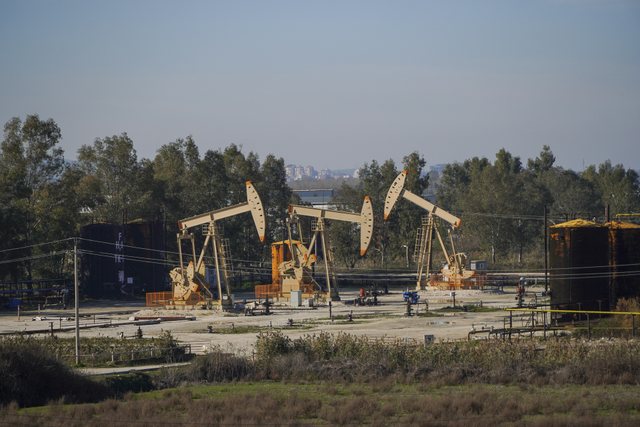
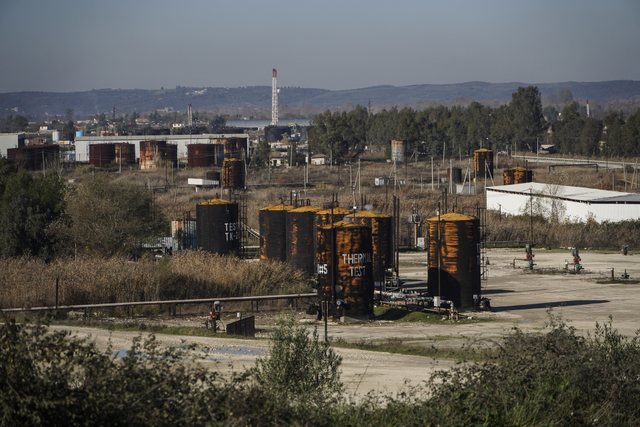
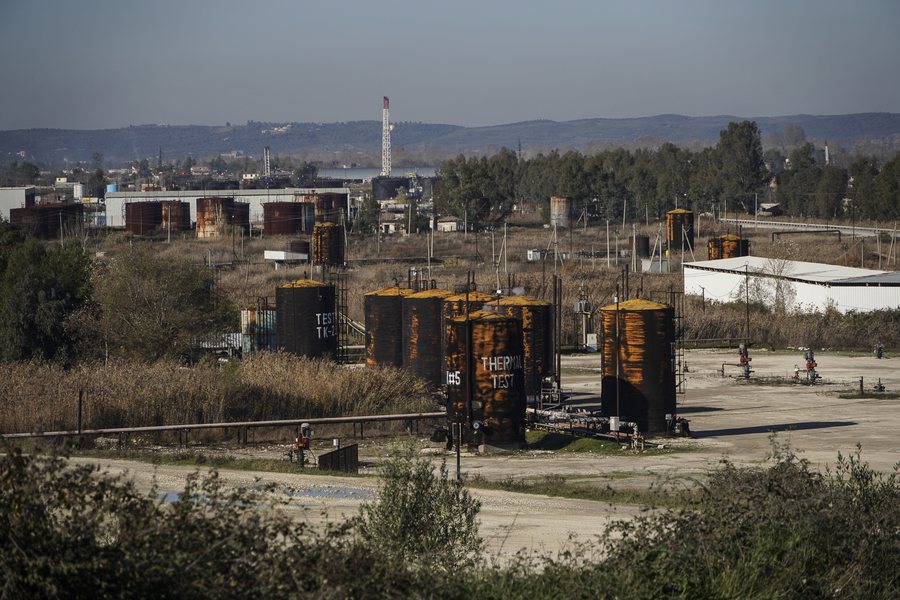
The apartment is located on the outskirts of the village of Zharrëz, where a few meters away stand large, rusting oil tanks. "Residents who live mainly in the Patos-Marinëz area are exposed to the high level of environmental pollution, which is caused by oil extraction in this area. The situation so far appears to be aggravated, confirmed by environmental status reports," the Supreme State Audit Office says in a detailed report.
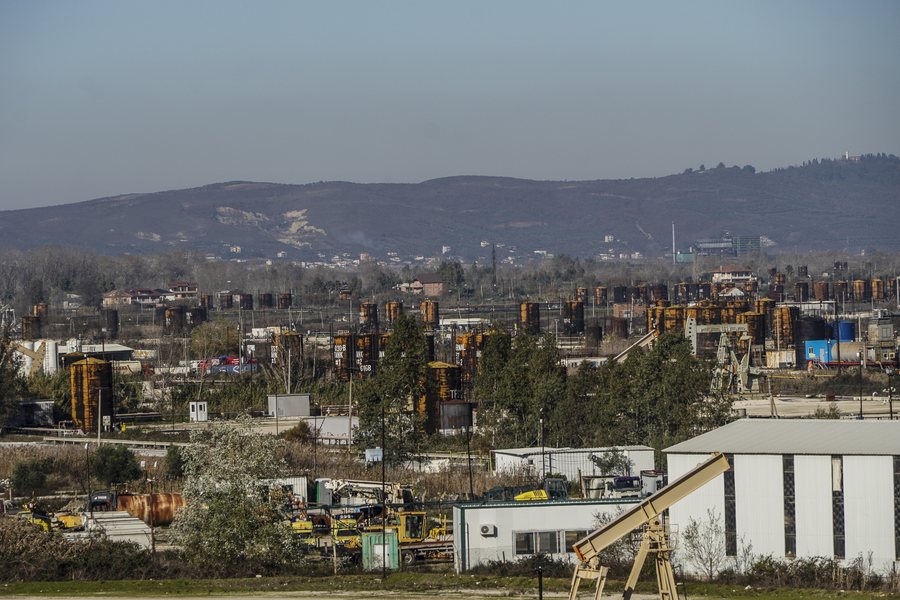
Beyond the obvious, oil for many residents is seen as daily bread, but a "bread with serious health consequences". The alarm is also given in the KLSH report which, by comparing the figures, concludes that respiratory, cardiovascular and malignant diseases are much more present in the oil-bearing area of the Patos-Marinëz axis. In the KLSH report, another problem is revealed that is as "black" as the oil extraction process: State institutions have different figures and a conflict between the number of sick people, but also real environmental data, covering up the truth, or have not conducted continuous studies.
Zharrëz-Marinëz
Everyone is connected to oil; someone is employed, another leases land for the Bankers Petroleum company, and yet everyone is in a common predicament: illness and pollution. "The air is very polluted. We can't open doors and windows, some from the fog and some from the smell of the gases that come together. We plant wheat, we also have olives and we can't get products. They (oil producers) throw a solution at them and the sulfur comes and touches the flowers, killing them," says the 71-year-old.
"The air is very polluted. We can't open doors and windows, partly because of the fog and partly because of the smell of the gases that come together. We plant wheat, we also have olives and we can't get products. They (oil producers) throw a solution at them and the sulfur comes and touches the flowers, killing them"
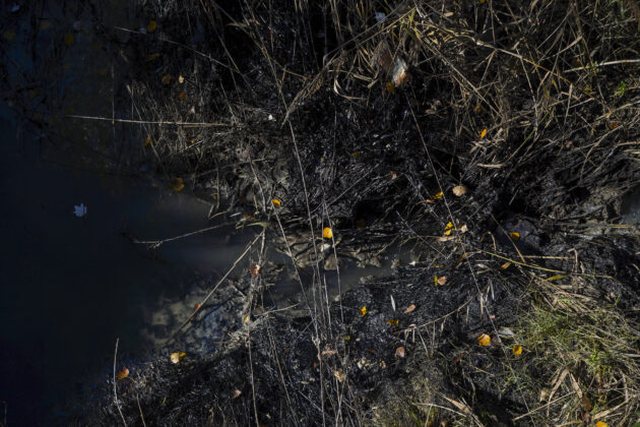
Even if she wants to escape the thought of pollution and disease, the oil well, currently plugged, is not even 10 meters from the doorstep. "The well used to burst and spill (crude oil)." There used to be a big dirty pit here in front of the house. Then they came and put the covers on. Now it doesn't smell as bad as it used to," she says. The fear of speaking out is also great when it comes to health. "I'll talk a lot, but not by name, understand me, son," says a 64-year-old gentleman who complains about the large amount of waste in a nearby stream, where sewage also joins the black oil well, which is camouflaged in a pipe that dumps waste illegally. "We are dead, but I worry about my children and my little grandson. Their health is at risk, but I can't talk because my son works at the municipality," he says.
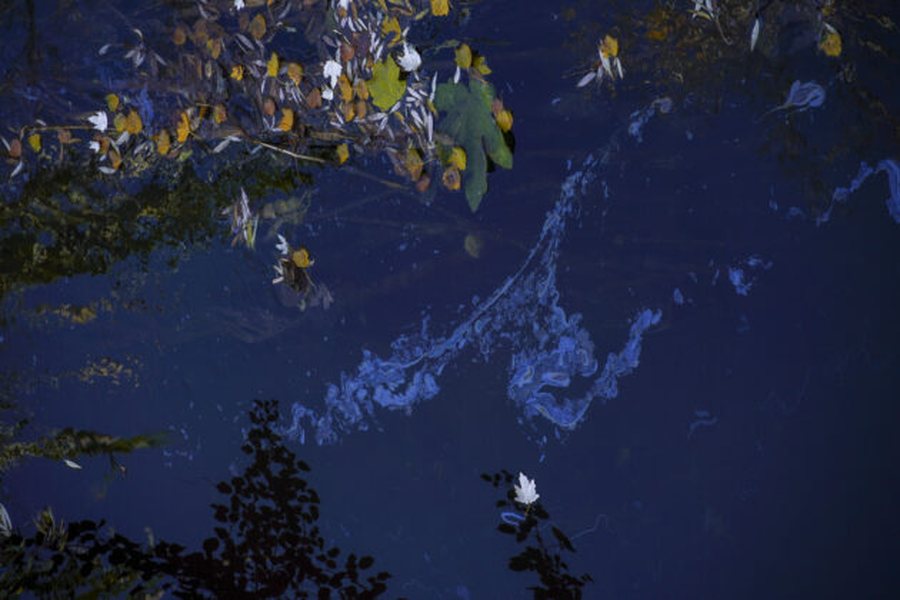
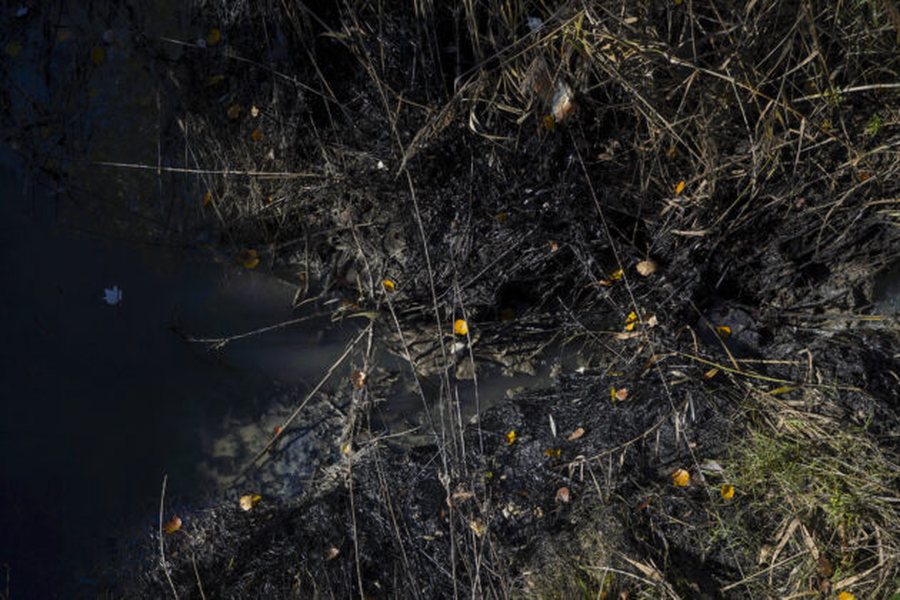
"We are dead, but I worry about my children and my little grandson. Their health is in danger, but I can't talk because my son works at the municipality."
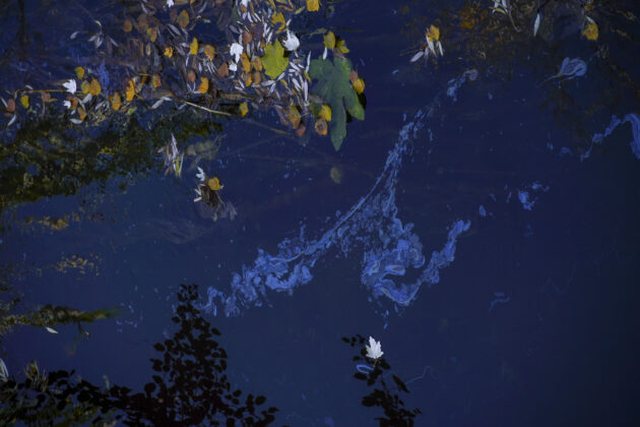
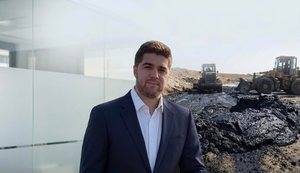
After turning his head back and to the side (for fear of being dictated to), he timidly directs us near the pipe that discharges oil waste which joins the sewage to make its way from Zharrëza towards Seman. “In the Patos-Marinza area, surface and groundwater are seriously polluted by oil wells, during extraction by pumps, from pipelines and pre-treatment plants, and sulfuric gas and various hydrocarbons are discharged into the air. The water used by these plants is discharged into the Gjanicë River, where in addition to oil components, it also contains toxic substances,” the report states.
Oil keeps them, oil eats them
A middle-aged man, while washing a car, shows that the pollution is great, especially when deep drilling was done with explosives. "Explosives were placed, but when the residents complained, we told them that there had been earthquakes. I have been working for many years at Bankers Petroleum when the Canadians had it and now that the Chinese have it too. I am a firefighter and in the emergency department," he says, adding: "I know what is done there with health and abuse, but I can't come out openly." Then, he justifies: "it's a living wage in the middle."
"I know what's going on there with health and abuse, but I can't come out openly." Then, he justifies himself: "it's bread and butter in the middle."
We left Zharrëza behind to pass through Marinza, where the problem is the same. "In one way or another we are connected to oil. Here we work, in drilling, the safety of wells and deposits, or in transportation, oil sustains us and oil eats us", emphasizes an elderly man who has retired. The doctors in Tirana instructed me to be followed by a hematologist, because I have problems with my blood", he says.
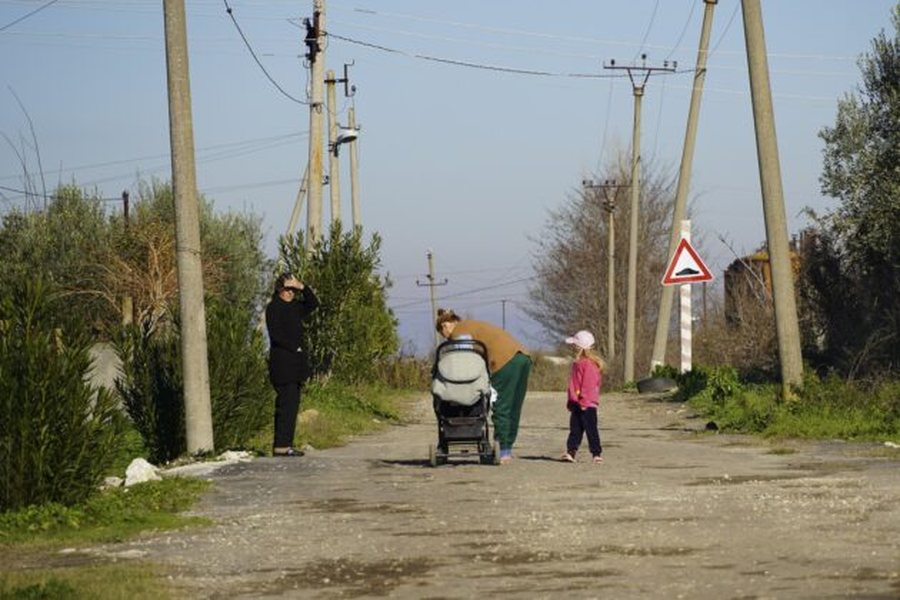
In two health centers, in Zharrëz and the municipal hospital of Roskovec, there are thousands of "basic control" tests, among which is blood. "There is a regular follow-up with tests and when we find problems related to worrying data in the blood, we recommend follow-up with hematologists", says a doctor from Roskovec Hospital, while admitting that "there are no statistics and analysis on the causes of diseases in some cancerous cases, mainly in the blood and affecting the organs in the upper respiratory tract. In Zharrëz, the small health center has one doctor and two nurses, but the presence of the media is a "worrying pathology" for them and they refuse to provide data on morbidity and complaints of residents, that they are getting sick from pollution as a result of oil extraction and processing.
To "hide" death!
"Regarding the data administered by Roskovec, compared to those of the 2 health centers Marinëz and Kuman, the situation appears problematic, calling into question the information sent by the NjVKSh - Fier", says the SAI, after having reviewed the data that initially comes from health centers with high oil pollution activity, but also at the municipal level. For 2018, 30 malignant diseases are declared in all of Roskovec, while for the two health centers Kujan and Marinëz (areas with oil extraction activity) 22 people are reported, further for 2021 25 are declared in all of Roskovec, of which 21 from these 2 health centers. "For 2022, 25 are declared for all of Roskovec, while 28 patients are declared for these 2 health centers, that is, 3 more. For 2023, 37 are declared for all of Roskovec, while only 2 HCs declare 28 malignant patients, and for 2024, 30 are declared for all of Roskovec, while only 2 HCs declare 27 malignant patients," says the KLSH, while admitting that "the data presents shortcomings", leaving room for the real concealment of the sick.
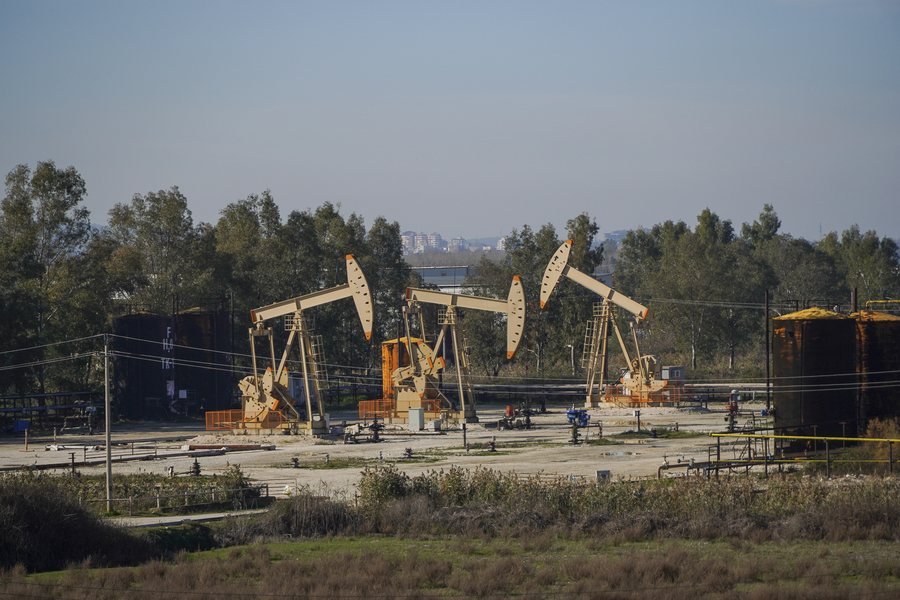
"Evaluating the data received from only 2 HCs (note: Health Center), it results that in the area of Marinza and Kuman, the health situation can be considered alarming, since the number of people with malignant diseases is relatively high, where every year there are 20 to 30 people with malignant diseases, where for comparison, for the same period (the last three years) the Municipality of Belsh has 100% to 500% fewer cases than the 2 HCs of Roskovec", states the SAI. In the report, this institution has received statistical data from the municipalities of Fier, Patos, Mallkastër Roskovec and Belsh. In this case, Belsh has been included as a "case study", as it is considered to have a low risk of pollution and the data for this municipality have served as a comparison with other municipalities in the Fier District that have high levels of pollution from oil extraction and processing activities.
Bankers don't pay
Another concern raised by residents who have leased their land for use is the lack of correctness of payments by the Bankes Petrolium company. For one dunyam of land leased for use, the company has agreed to pay 400 thousand lek per year, an acceptable figure for residents whose income from agriculture is low, also due to low productivity affected by pollution. “Five years ago we signed the lease contract and received the money in two weeks. Now you will beg and go to their offices to get your money, the money of the children,” Tajar Bine tells Faktoje.
"Five years ago we signed the lease and we got the money in two weeks. Now you're going to beg and go behind their offices to get your money, the kids' money."
He adds that they did not have this problem when this company was run by Canadians, but now that ownership and management have been transferred to the Chinese company, according to them they have a problem with the liquidation of land rents. "This company no longer cares about the environment first and foremost and then about the lease contracts they have," adds Bine.
Institutions in the air
Summarized in a few points, the KLSH report, based only on a study of a narrow area, concludes that local and central institutions have not only not monitored the environmental situation regarding pollution, but have no data for more than 10 years. At a rather "amateur" level regarding the two main pillars; environment and health, are the municipalities that cover the territory of oil-bearing areas.
"At the local level, investments made for environmental rehabilitation and rehabilitation have been minimal and insufficient in improving the quality of the environment and health in this area. The measures taken by the institutions responsible for environmental protection and health in the Patos-Marinëz area have not been sufficient," concludes the KLSH. In this area, everyone complains about pollution and disease, but almost everyone is afraid to react due to employment, but also distrust of solutions from state institutions. /Faktoje.al/