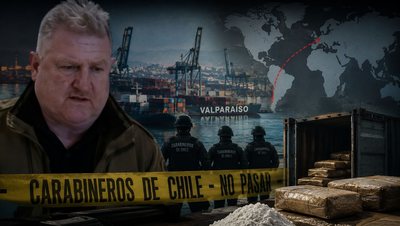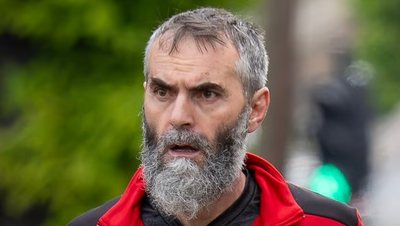



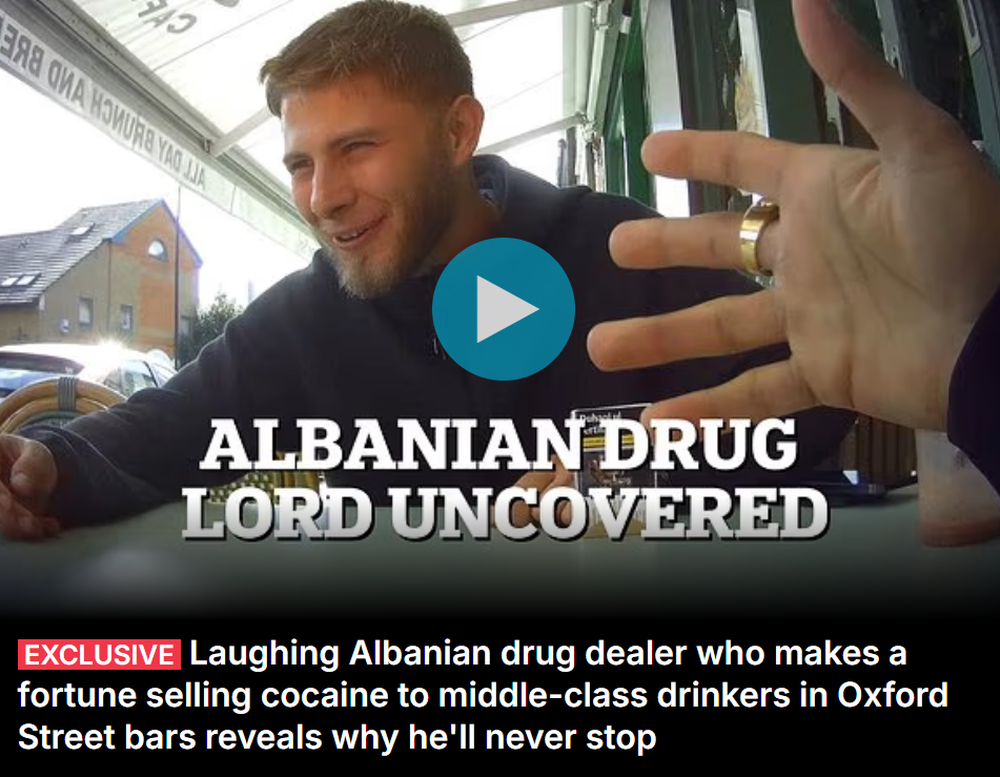
DailyMail has published another investigation into some Albanians involved in the sale of narcotics in the UK. Albanian traffickers have become very powerful and use social media to advertise drug dealers, targeting mainly middle-class clients in London.
A young man from Kosovo, named Erik, has fallen into the net of journalists, who says that, despite the arrests, he will continue his criminal activity because the sentences are light and the asylum system allows his return. "Albanian gangs dominate the cocaine market in Britain, offering high-quality drugs that are cheaper than their competitors. British authorities are criticized for their lack of effectiveness in stopping these groups, while drug use in the country has increased significantly over the last 20 years. Meanwhile, the gangs smuggle millions of pounds out of Britain, enriching criminal networks in Albania," says, among other things, the DailyMail article, which you can find in full below.
Full article:
The Albanian drug trafficker who made a fortune selling cocaine to average users in Oxford Street bars reveals why he will never stop
Albanian criminal gangs in Britain have become so powerful that drug lords openly mock the justice system and advertise drug dealers through social media, the Daily Mail reveals.
In a conversation with undercover Daily Mail reporters, 25-year-old Kosovo man Erik revealed that he built a network of middle-class cocaine users by working in the upscale bars of Oxford Street and Soho.
Smiling and laughing, the trafficker said he had just been released from prison after being caught with six bags of cocaine. However, despite his run-ins with the law, he was determined to return to the streets of Britain to make money.
And, contrary to popular belief, he did not enter the drug business through shady underworld figures, but simply posted his phone number on the Facebook group "Albanian Community in Britain", one of many social media job boards that often advertise drug trafficking jobs.
During a half-hour meeting, Erik explained that he was an experienced trafficker who sold hundreds of pounds of cocaine to clients he met while working as a waiter on Oxford Street and Soho.
When reporters asked him about the police, he said that officers in Britain are much more lenient than in his country.
“The police are better here,” Erik said. “There they beat you badly, they ruin your face. In our country they have everything, even guns. They shoot bullets.”
When asked if he was afraid of the police in Britain, he shrugged and said: "I don't know what to say, no."
Responding to the secret inquiry, the opposition Home Secretary, Chris Philp, said: "This is a serious indictment of Labour's failure to maintain law and order. Organised crime gangs operate so openly that they vilify us on social media.
"These traffickers know the risks are low, the penalties are light, and even if they are deported, they will return and continue to destroy lives. This revolving door is a disgrace."
Erik's arrogance and dismissive attitude towards the police comes at a time when Albanian gangs continue to dominate the cocaine market in Britain.
The National Crime Agency (NCA) said last year that the drug trade linked to Albanians was active in various towns, villages and locations across the country.
Albanian gangs smuggle “hundreds of millions” of pounds out of Britain every year.
Erik explained that his main customers are middle-class drinkers in central London. The demand is so high that traffickers are now using social media to cater.
The Daily Mail has seen advertisements for cocaine dealers across the country, from big cities like Manchester and London, to areas less known for drug dealing, such as Cambridge and Bournemouth.
How did Albanian gangs create a cocaine empire in Britain?
Drug dealers make less money than any other criminal in Albanian gangs. But these criminals at the lowest rungs of the gang earn salaries that rival those of CEOs and investment bankers.
This is because today, a drug dealer in London earns around £1,700 a week, which comes to over £88,000 a year.
However, as these dealers do not pay tax on their illicit income, this amount is equivalent to a taxable salary of £145,000 per year, making Albanian cocaine traffickers in the top 1-2% of the richest in Britain.
The days when fearsome gangs like Hellbanianz had to show off money to attract Albanians to their ranks are over.
Today, Albanians who are newly arriving in the country pray that their fellow community members will accept them into their groups.
Albanian drug trafficker Erik, 25, born in Kosovo, moved to Britain three years ago. Despite being arrested several times in Albania, he managed to get on a plane to Britain and currently has a residence permit, he said.
Erik said that just a few months ago he was arrested for the first time in Britain by an undercover police officer during a night out in Chelsea.
He had six bags of cocaine with him, which he told police he had for personal use. After two weeks in jail, he was released without charges and without an electronic tag on his leg.
But because they took his phone, his cocaine line was cut off and now he's trying to get back in business.
Playing the role of a cocaine supplier to an Albanian-British gang, our journalists responded to a message he posted on Facebook seeking work as a bike delivery driver.
It was soon clear that he wanted to distribute cocaine. Within a day, they agreed to meet at a cafe in west London.
Little did he know that just a few months after being caught by an undercover cop, he would be exposed by two undercover journalists.
Erik is the usual type of Albanian drug trafficker: young, motivated, and with weak morals.
He said that many Albanian traffickers "want to come in small [boats]," but that was "dangerous" and expensive, so he had chosen the legal route by plane.
He told reporters that he would use Lime bikes to sell cocaine to his customers in the Chalk Farm area of north London, where he lives.
Asked how much he was selling before his arrest, he said:
“Brother, I moved around a lot… I have a lot of friends. I was in Oxford Street, Soho for two years. I worked in bars. That’s where I started my network, in bars and nightclubs.
It was a lot of work because it was just me. Sometimes I would make £700 a day, £800, £400, sometimes £100 — it’s never the same.
I kept the good stuff, and that’s why I had good customers.”
He said he turned off the network after the police arrested him and took his phone.
Because of this, Erik said he had stopped drinking alcohol to avoid losing his judgment and was now willing to sell cocaine only during the day, preferring nights to get customer numbers for his new network.
“I was stopped because my phone was taken away, so I turned everything off. It was very dangerous, because the phone was in the hands of the police for investigation. I was afraid to send messages.
My network is now destroyed. I had a friend who helped me keep it alive. It’s not easy to do it alone.
You have to be out, in nightclubs, spending money. It will take time.”
After the meeting, our reporters stopped responding to his messages. But a few days later we saw him posting his number again on Facebook, hoping for another chance to make a fortune.
However, while traffickers like Erik appear to have arrived legally, other criminals enter the country in small boats across the Channel.
After arriving on small boats, these people are housed in asylum hotels while their claims are processed. The British establishment believes that they will not be deported, but since these people are not prisoners, they can leave whenever they want.
This is exactly what Albanians who want to trade cocaine do, sources familiar with the process told the Daily Mail.
After leaving migrant hotels and living illegally in Britain, they become active on social media, posting that they want to become "drivers" or "cyclists" in Facebook groups for Albanians looking for work, with tens of thousands of members, where criminals have advertised jobs for cocaine distributors.
Of course, the word "cocaine" was never used directly, mostly to avoid automatic bans on social media. Instead, gangs and would-be dealers use the first snow emoji (❄️) or call it "pika," which in Albanian means "point." A pika is one gram of cocaine.
When our undercover reporters posed as gang members, some admitted they were illegal immigrants who had arrived on small boats and were experienced in dealing cocaine in Britain.
One poster introduced himself as Saimir. He said he had arrived by small boat and had "no documents allowing him to stay in Britain."
Ready to sell cocaine, he said: "I did this job in London. I did things like that.
"What time should I start work, and how many drops [grams of cocaine] should I sell for you?"
When asked how much he used to sell, he said: "60 to 80, six days a week, 12 hours a day in East London."
Selling this amount of cocaine in London — 80 grams a day for six days a week — would bring in approximately 24,000 pounds a week for a gang.
In the same group, an anonymous poster wrote: "Hi. Experienced driver needed in Essex, 7am to 7pm. £300 per day + fuel. Must have own car. Contact [phone number] on WhatsApp [first snow emoji for cocaine]."
In another Facebook group called "Pune ne Angli" (meaning "Work in England" in Albanian), an anonymous poster wrote: "+300 pounds per day. Looking for drivers [first snow emoji for cocaine]. Serious people only. Long term work. Outside London. If interested, post your number."
Not everyone was so open. Another post simply asked for a "bike guy." The drug-related cue was the working conditions: "£1,400 a week. Accommodation paid."
Gangs don't just use Facebook. On TikTok, an account called "Shqipet e Pikave," which in Albanian street language means "Albanians of cocaine," had a series of posts seeking cocaine dealers, offering salaries of up to £1,800 a week.
Another account with a name that translates to "Albanian Construction" and had profile pictures of two builders, posted almost exclusively job offers in Albanian for cocaine dealers, with salaries of up to £2,100 a week.
After the Mail newspaper reported this to TikTok, the social media company deleted both accounts.
This way of finding sellers may seem bold, but such direct moves are how Albanians have managed to dominate the British market.
Today, most of the cocaine in Britain is sold by Albanian gangs. But this illegal empire is relatively young — about 20 years old.
In the early 2000s, Albanian gangs saw an opportunity in the British cocaine market. Albanians had already gained importance in the cocaine trade in the major European port countries — the Netherlands, Spain, Italy and Belgium — but in those countries the mafias already had a strong grip on the market.
Britain was pristine. In the 1990s, cocaine was the drug of millionaires and celebrities: it was expensive and, although attractive, its quality was relatively poor.
When Albanian gangs began to infiltrate Britain in the late 2000s, they had a revolutionary strategy.
Their target wasn't the rich and famous; it was the middle class. Second, unlike others, the Albanians went straight to the source, making deals directly with the South American cartels.
Third, Albanian gangs were more violent and money-hungry than their British counterparts. They came from a country with high unemployment, low wages, and poor living conditions. This was their chance to make some serious money.
But most importantly, their product was better quality, more reliable, and, most importantly, much cheaper than anything else on the market. Their motto was 'sell cheaper and more.' It was simple economics, and it worked.
An Albanian organized crime boss, from a gang that sold cocaine in southern England in the 2000s, spoke to the Daily Mail on condition of anonymity.
He spent 17 years in prison for his crimes, but still speaks passionately of their success: "We had the highest purity of cocaine for every gram sold on the street. That made existing users take the drug from us and abandon other dealers."
"This made my organization the main supplier of cocaine to Portsmouth and Bournemouth."
But after the competition left, Albanian gangs like his wanted even more.
The Albanian gangster said: "In 2009/10, we reduced the price for a kilogram of cocaine from £35,000 to £30,000. That was a game changer in the market at the time."
From 2000 to 2023, the number of British adults who have ever used cocaine doubled, from 5.1% of the population to 10.3%. Albanian gangs laugh.
A former drug user who is now clean and employed told the Mail: "London is the cocaine capital."
Asked why Albanian gangs have such dominance in Britain, he said:
“Firstly, it’s the quality of the product.
I met a drug user who had suffered from cocaine psychosis [hallucinations and paranoia from heavy cocaine use].
He said the cocaine he used was ‘83% super purity’, which means extremely pure.
They also have a monopoly on violence. They are just terribly cowardly, excuse the language.
They are an international organisation and not just local people selling. They also have links to the clubs. They are very integrated into the drug and party scene.”
Albanian crime bosses are lining their pockets with millions, while Britain's broken asylum system gives them a huge influx of eager traders arriving by boat, and South American cartels are only too happy to continue increasing their cocaine orders.
Where in Britain do Albanian gangs advertise for cocaine dealers?
The Mail has seen advertisements for cocaine dealers across the country, from big cities like Manchester and London, to areas less known for drug trafficking, like Cambridge and Bournemouth.
The National Crime Agency (NCA) said last year that the Albanian-linked drug trade is active across the country — in cities, towns and even rural areas.
The agency said Albanian gangs smuggle “hundreds of millions” of pounds out of Britain every year.
“Their main aim when they make money is to get it out of the country as quickly as possible,” said Steve Brocklesby, Intelligence Manager at the NCA.
“They smuggle it out of the UK, into Albania in whatever form it takes.”
“It is estimated that hundreds of millions of pounds sterling are leaving the UK and ending up in Albania, where they are then semi-legalised, either in the banking system or to pay for construction work.”
“We also know that Albanians are taking British money back to exchange offices in the UK and Europe, converting it into euros and sending it to Albania.”
“We expect the use of cryptocurrencies and less regulated investment in the UK to increase in the coming years, as well as direct investment in the UK.”
Liverpool is one of the few places that Albanian gangs have left in peace. This is probably due to the reputation of the very violent British gangs that control the area.
Below are some of the Albanians who were convicted this summer of dealing cocaine in Britain.
The maximum sentence for dealing cocaine in the United Kingdom is a life sentence, an unlimited fine, or both.
It sounds harsh, but in reality, these criminals rarely receive life sentences or even very long sentences.
The Daily Mail has analysed the sentences of Albanians who were caught selling cocaine across Britain between June and August this year.
Our research has found 18 such dealers. All are men aged between 20 and 41, who either pleaded guilty or were found guilty of possession with intent to supply Class A drugs, specifically cocaine.
They were sentenced to an average of three years and nine months in prison each. This is the first time they have benefited from the British justice system — low sentences.
Read below to see who exactly they are...
Valentin Roci
Albanian drug dealer Valentin Roci, 27, was deported last year after being caught distributing drugs and illegally entering the country.
This year, he returned to Britain to sell cocaine in Southend, after crossing the Channel on a small boat.
In March, he was driving a Ford Mondeo without insurance when police stopped him for a broken brake light. They found eight packets of cocaine (worth around £80), a packet of cannabis and £1,195 in cash.
Roci pleaded guilty to possession of cocaine with intent to supply, possession of cannabis, possession of criminal property (money), driving without insurance and driving without a licence.
During the trial, the judge said Roci’s return to Britain suggested he had a “compelling economic reason to return”.
He sentenced him to 30 months in prison this August, after which he will be deported for a second time.
Marios Mecani and Xhanluka Duraj
In August, two men suspected of being part of the same gang were convicted of disrupting a £50,000 drug and cash operation.
Police stopped a car linked to drug dealing in Nottingham and found 24-year-old Albanian Marios Mecani inside, along with packets of cocaine and house keys.
When officers searched the house, they found £30,000 of cocaine, £20,000 in cash and large quantities of packages for sale, suggesting a larger operation.
They also found an identity card belonging to another Albanian, Xhanluka Duraj, 20. Police found Duraj the next day and after a chase, he was caught with a large amount of cash and a phone he had tried to destroy.
On April 19, it was reported that unknown men entered a student property, and when police arrived, Duraj attempted to flee the scene.
After a chase, Duraj was stopped and searched by police, who seized a large amount of cash in bundles and a phone that he had attempted to destroy.
In August, Duraj was sentenced to three years and six months in prison after being found guilty of possession with intent to supply cocaine and possession of criminal property.
Mecan was also found guilty of possession with intent to supply Class A drugs and possession of criminal property, and was sentenced to three years and six months in prison.
Denzel Group
Six members of an Albanian organised crime gang, who operated what they called the “Denzel” line in Swindon, were sentenced last month.
Saimir Neziraj, 32, Nertil Halili, 29, Edmir Beqiri, 37, Ergys Abdyli, 26, Ardian Gjeta, 26, and Jorgo Brachousai, 24, were caught in a six-month police operation.
The group, led by Saimir Neziraj, controlled a cocaine distribution network that used “runners” to supply users across the city.
In this model, Neziraj collected the money and supplied the drug line, called the “Denzel”. Edmir Beqiri stored the cocaine in Swindon, while Ardian Gjeta and Jorgo Brachousai handled the day-to-day sales.
On the evening of February 1, 2024, officers observed Neziraj travelling to London, where in a quiet lane in Barnet he met Ergys Abdyli, who was based in London.
Neziraj received the cocaine from Abdyli, which was then transported back to Swindon and handed over to Beqiri for safekeeping.
During the investigation, the "Denzel" phone was held by Nertil Halili in Derbyshire, where Halili, with the help of Neziraj, organized the distribution of cocaine on the streets of Swindon.
In what police called "a major mistake by the group", in March 2024, officers witnessed Halili and Neziraj meet in the West Bromwich area of the Midlands, where the phone "Denzel" was passed from Halili to Neziraj.
Wiltshire Police, Derbyshire Police and the Metropolitan Police carried out a series of coordinated raids in the early hours of the morning in Swindon, Derby and north London during March 2024.
Large amounts of cash and drugs were seized, and gangsters were arrested.
Neziraj was sentenced to eight years in prison for distributing cocaine. Halili, who had been deported at least once before, was sentenced to seven years and ten months for the same crime and an additional year for illegal entry after deportation.
Beqiri received three years and eight months for distributing cocaine. Abdyli was sentenced to five years and 11 months for distributing cocaine, possession of criminal property, obstruction of justice and possession of false documents with intent.
Gjeta received two years and one month for distributing cocaine and possession of criminal property. Brachousai received 16 months in prison for distributing cocaine, but this sentence was suspended for two years.
Another Albanian drug dealer, Erion Kakuli, 25, was jailed for five months last year for growing cannabis. In June this year, police spotted him selling cocaine outside a Lidl store in Stoke.
They followed him home, raided his flat and found £4,500 of cocaine and £255 in cash.
Kakuli claimed he had only been selling drugs because he owed money to an Albanian gang.
However, he pleaded guilty to possession with intent to supply cocaine and possession of criminal property, and was sentenced in August to three years and four months in prison.
He is expected to be deported after serving his sentence.
Mirush Sallaj
Albanian drug dealer Mirush Sallaj, 41, was caught by police while sitting in a Volkswagen Passat in Cambridge.
Police realised the car had no insurance and searched it, finding 20 packets of crack cocaine, cash and a mobile phone.
In July, Sallaj pleaded guilty to possession with intent to supply crack cocaine, driving without a licence and driving without insurance.
He was sentenced to two years and three months in prison and banned from driving for 16 months.
Ermal Halaj
Another Albanian drug dealer was convicted this summer after a car chase that continued with a foot chase in Benfleet, Essex.
Essex Police spotted a car driving suspiciously in June. The driver, Ermal Halaj, 23, failed to stop for police and hit a barrier before running away.
He was chased and arrested. He later admitted intent to sell cocaine and dangerous driving, and was sentenced to two years and ten months in prison.
Upon his release, he will be banned from driving for a year and must pay £228 costs.
Ersid Psyqyli
This Albanian drug dealer was sentenced to two and a half years in prison in August after pleading guilty to being involved in the supply of class A drugs.
Police in Rugby, Warwickshire, observed 22-year-old Ersid Psyqyli making rounds on the street and exchanging items with people.
When they searched the room he had rented, they found 40 packets of cocaine worth around £400 and £228 in cash.
Mirgjen Hysa
Another Albanian drug dealer was convicted this summer.
When police raided a house in Cambridge, they found 27-year-old Mirgjen Hysa hiding 27 packets of cocaine, £2,885 in cash, numerous mobile phones and other drug paraphernalia, including scales and packaging bags.
He was sentenced in August to two and a half years in prison after pleading guilty to possession with intent to supply cocaine and failing to report to police on parole.
Hile Marashi
Albanian drug dealer Hile Marashi, 37, was part of an organised crime gang that distributed cocaine in Aylesbury, Buckinghamshire.
Police stopped him while he was driving a white Mercedes A-Class. Officers found 20 packets of cocaine and £245 in cash near his car.
The drugs, worth £800, were destroyed, while the cash was kept by police, who also seized the Mercedes for auction or destruction.
Marashi was sentenced to three years in prison and banned from driving for 33 months.
Edrilon Gjoni
On 24 May 2025, a black Audi A5 was stopped by Sentinel West on the Suffolk/Cambridgeshire border in Newmarket, on the A142. Inside was 22-year-old Albanian Edrilon Gjoni.
Evidence from his mobile phone gave police reason to arrest Gjoni on suspicion of being involved in the distribution of Class A drugs.
Following his arrest, a search was carried out at a property in the Cambridgeshire area where more than a kilogram of cocaine worth around £105,000 and £6,000 in cash were found.
Sergeant George Laflin said: “Gjoni had become a well-known player in the distribution of Class A drugs in Suffolk and Cambridgeshire. Due to the strong evidence at trial, he pleaded guilty at the earliest opportunity.”
Gjoni was sentenced in July to five years and three months in prison for possession with intent to supply Class A drugs.
Mario gang
Albanian drug dealers Klevjan Beraj and Erlin Murataj, both 26, were convicted of supplying cocaine to Warwickshire through what they call the “Mario line”.
Police identified a house in Rugby that they suspected was being used for drugs. When they raided it in June, they arrested four people and seized drugs worth £60,000.
Beraj was charged with possession of cocaine and cannabis with intent to supply and being involved in the distribution of cocaine. He was sentenced to five years in prison.
Murataj was charged with possession of cocaine and cannabis with intent to supply and was sentenced to three years and two months in prison.
Another man, whose nationality is unknown and also from Rugby, was charged with possession of cannabis with intent to supply and was sentenced to nine months in prison.
Why is Britain so weak that when judges sentence Albanian traffickers to deportation, they can return to commit the same crimes for which they were deported?
The second help that Albanian gangs receive from the British system is the ease with which they return to Britain. When these criminals are released, often in the middle of their sentences, many of them are deported, but after a while they return again.
Sekretarja e re britanike e Brendshme, Shabana Mahmood, tha këtë muaj se vendet që refuzojnë të pranojnë kthimin e migrantëve që kanë dështuar në kërkesat e tyre për azil mund të përballen me kufizime në aksesin për viza si formë ndëshkimi.
Duke njoftuar këtë kërcënim, ajo tha: “Kjo dërgon një mesazh të qartë për këdo që tenton të minojë sigurinë tonë kufitare. Nëse nuk ke të drejtë ligjore për të qëndruar në Britani, ne do të të deportojmë.”
Ajo që nuk përmendi është se shembulli kryesor i një marrëveshjeje ekzistuese për kthimin është ai që Britania ka me Shqipërinë.
Është e vërtetë që Shqipëria pranon të kthejë azilkërkuesit e refuzuar dhe numri i shqiptarëve që kalojnë Kanalin është ulur.
Por nëse një shqiptar vjen në Britani për të shitur drogë, me shumë gjasa nuk do të presë që Zyra e Brendshme ta thërrasë për deportim.
Nëse kapen duke injoruar urdhrin e deportimit, natyrisht mund të përfundojnë në burg, ku do të takohen me të gjithë kriminelët e tjerë shqiptarë të dënuar.
Shqiptarët mbeten kombësia më e madhe e të burgosurve në Britani pas britanikëve. Deri në gusht të këtij viti, 1,193 shqiptarë janë në burg për krime që përfshijnë trafik droge, vrasje, trafik njerëzish, pastrim parash dhe krime seksuale.
Mendohet se kushton rreth 40,000 paund në vit për të strehuar një të burgosur, që do të thotë se Britania shpenzon përafërsisht 47 milionë paund për mbajtjen e kriminelëve shqiptarë në burg.
Por siç tregoi rasti i Valentin Rocit, disa kriminelë kthehen direkt me anije përsëri në Britani.
Mendohet se shumë kriminelë janë në një cikël të përsëritur arrestimesh, deportimesh dhe kthimesh në Britani për të kryer të njëjtat krime.
Ky është një problem me të cilin përballen gjykatës në gjithë vendin, dhe jo vetëm për trafikantët shqiptarë të kokainës.
Vjedhësi me përvojë Cristian Chiriac, 31 vjeç nga Rumania, ka hyrë në Britani të paktën tetë herë në mënyrë të paligjshme.
Është dënuar të paktën gjashtë herë në Britani, dhe zakonisht merr dënime më të rënda çdo herë.
Në gusht 2024, ai u dënua me dhjetë muaj burg, me mundësi lirimi me kusht pas pesë muajsh, dhe pastaj do të deportohet përsëri.
Para se të dënohej, gjykatësja i tha: “Ti je në një cikël të vazhdueshëm të kryerjes së krimeve.
Qartë, gjatësi e dënimeve nuk ka aspak efekt ndëshkues.”
Megjithatë, duke pranuar që dënimet nuk janë pengesë, ajo e dënoi Chiriacin me dhjetë muaj burg, duke shtuar: “Dënimet do të bëhen gjithnjë e më të gjata.”
Çfarë do të thotë kjo për bandat shqiptare në Britani? Që furnizimi i tyre me trafikantë të rinj drogash është pothuajse i pandalshëm.
Disa njerëz mund të shmangin deportimin duke pretenduar se ai shkel të drejtat e tyre themelore sipas Gjykatës Evropiane për të Drejtat e Njeriut (ECHR), zakonisht nën Nenit 3 (ndalimi i torturës) dhe Nenit 8 (e drejta për jetë private dhe familjare).
Por edhe nëse deportohen, ata mund të kthehen përsëri. Një nga mënyrat më të lehta për një kriminel të hyjë në Britani është duke marrë një varkë të vogël drejt Dover-it, duke u vendosur në një hotel azili dhe pastaj duke dalë nga dera kryesore.
Ata mund të futen edhe duke u fshehur në makina ose kamionë që hyjnë në Britani, ose, si në rastin e Erikut, trafikantit shqiptar të drogës me të cilin biseduan gazetarët tanë nën mbulim, ata mund të hipin në një avion drejt Britanisë.
George Keppe, një avokat me përvojë kriminale prej 46 vitesh, i tha Daily Mail-it se ky cikël i kriminelëve që kthehen në Mbretërinë e Bashkuar është duke vazhduar për më shumë se një dekadë.
Ai tha:
“Do të vazhdojë të ndodhë. Mungesa e financave dhe personelit në kufij dhe në polici bën që këta njerëz të përfitojnë.
Policia dhe gjykatësit janë të lidhur duart. Mund të merren vetëm me atë që u paraqitet.
Ata mund të shprehin shqetësimin, por kjo do të vazhdojë derisa të bëhen ndryshime themelore.
ECHR (Gjykata Evropiane për të Drejtat e Njeriut), identifikimi vizual, kartat e identitetit — të gjitha së bashku mund të kenë ndonjë efekt.
Sa shpesh dëgjoni gjykatës që thonë, ‘Me keqardhje mund të them…’? Nuk është faji i gjykatësve apo policisë, është faji i ligjit.
Politikanët thonë, ‘Kemi bërë këtë apo atë’, por në realitet, asgjë nuk është bërë.
Shumë njerëz mendojnë se jemi bërë qesharakë. Një situatë thellësisht e prishur kërkon ndryshime thelbësore.”
Çfarë po ndodh tani?
Për vite me radhë, Agjencia Kombëtare e Krimit (NCA) ka paralajmëruar për ‘kërcënimin serioz’ që paraqesin bandat shqiptare.
Ka skuadra policore që i ndjekin këta kriminelë, dhe vitin e kaluar NCA ka nënshkruar një marrëveshje me Byronë Kundër Krimit të Organizuar në Shqipëri (SPAK) për të ndjekur pasuritë e shqiptarëve të dënuar në Britani.
Në përgjigje të hetimit të Daily Mail, një zëdhënëse e Ministrisë së Brendshme tha:
“Ne nuk do të lejojmë që sistemi ynë i azilit të keqpërdoret nga ata që rrezikojnë të tjerët ose minojnë sigurinë e komunitetit.
Po godasim bandat shqiptare me zbatime më të ashpra, deportime më të shpejta dhe investime në kapacitete të përqendruara të zbatimit të ligjit për të penguar operacionet online të bandave. Po punojmë edhe me kompanitë teknologjike për të mbyllur aktivitetin kriminal në internet përmes Ligjit për Sigurinë Online.”
Policia Metropolitane refuzoi të komentojë, por një zëdhënës i NCA-së tha:
“Shumë grupe kriminale që shesin droga përdorin mediat sociale dhe platforma komunikimi për të promovuar dhe shitur produktet e tyre të paligjshme.
NCA po bashkëpunon me partnerë nga zbatimi i ligjit dhe qeveria për të luftuar trafikimin e drogës.
Kompanitë teknologjike, përfshirë platformat sociale, duhet të punojnë për të siguruar që rrjetet kriminale të mos përfitojnë nga shërbimet e tyre për fitime kriminale.
Ne vazhdojmë të punojmë me industrinë e teknologjisë për të lehtësuar identifikimin e autorëve dhe për të mbrojtur publikun.”
Por për momentin, pavarësisht nëse autoritetet po i ndjekin këta kriminelë apo jo, ne jetojmë nën një sistem britanik që vazhdon t’i lejojë bandat të kthehen dhe në një ambient politik ku askush nuk ofron një masë reale parandaluese.
Megjithatë si të vijnë këtu, misioni i tyre është i thjeshtë: të shesin droga të forta tek britanikët, dhe kjo sjell dhunë në rrugët tona ndërsa bandat e organizuara luftojnë për të ruajtur biznesin e tyre fitimprurës.
Ndërsa raste si ai i migrantit që sulmoi seksualisht një vajzë 14-vjeçare këtë verë marrin drejtëpërdrejt vëmendjen, mijëra migrantë po vijnë këtu për një arsye tjetër.
Kjo është ende një sulm ndaj Britanisë që njohim dhe duam, dhe ende po vë në rrezik fëmijët tuaj. Por ndryshimi është se këta mijëra migrantë të paligjshëm nuk mund të përjashtohen si “disa mollë të kalbura”.
Kjo është një përpjekje e koordinuar nga bandat shqiptare për të përdorur sistemin e prishur të azilit në Britani për të përmbytur Mbretërinë e Bashkuar me kokainë.
Ndërkohë, edhe pse Facebook dhe TikTok u krijuan për të lidhur miqtë dhe për të sjellë gëzim, tani ato lidhin trafikantët e drogës që shesin kokainë të njomur me gjakun e varësve dhe bandave.
Më tronditëse, kjo ndodh në sy të të gjithëve, në një platformë që përdorin edhe fëmijë 13-vjeçarë, dhe që e përdorin rregullisht.
Pasi Daily Mail evidentoi ekzistencën e llogarive në TikTok që reklamonin punë trafiku droge, gjiganti i medias sociale tha:
“Ne nuk lejojmë përmbajtje që promovon aktivitete të paligjshme, përfshirë tregtinë e drogës në platformën tonë. Përmbajtjet që tregojnë ose inkurajojnë veprime të paligjshme, si aktivitetet që lidhen me drogën, do të fshihen.
Këto llogari janë ndaluar përfundimisht për shkelje të këtyre udhëzimeve. Ne kemi dhjetëra mijëra profesionistë të sigurisë të përkushtuar për të mbajtur TikTok-un të sigurt. Për të mbështetur platformën tonë globale, ekspertët tanë lokalë flasin mbi 70 gjuhë dhe dialekte, përfshirë edhe shqipen.”
TikTok pretendoi se në tremujorin e parë të këtij viti ka hequr më shumë se 96% të përmbajtjeve që tregojnë sjellje të dhunshme dhe aktivitete kriminale, para se t’u raportoheshin.
Facebook has not banned the groups mentioned in this article, but is now investigating them after our report. The platform did not respond to a request for comment.
Ultimately, even though the Prime Minister is tasked with controlling this chaos, Sir Keir Starmer's past as a human rights lawyer is preventing tougher action against organised crime and the asylum system.
This means for the time being that greedy traffickers like Erik will continue to mock the UK justice system by selling drugs and consolidating the vast Albanian cocaine empire in the heart of Britain.