


US Secretary of State Marco Rubio said Washington expects a response from Iran regarding the US proposal for a temporary ceasefire agreement in the Middle East, while Tehran accused the US of violating the fragile ceasefire announced last month.
Recent days have seen the biggest clashes in and around the Strait of Hormuz since the start of an informal ceasefire. The escalation came after Donald Trump announced, then quickly suspended, a new US naval mission to reopen the strategic corridor.
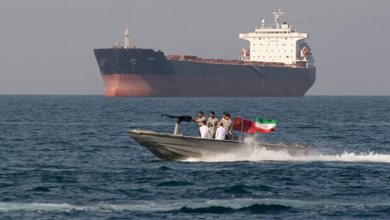
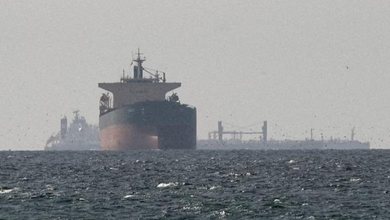
On Friday, the US military said it had shot down and neutralized two Iranian-flagged tankers that attempted to break the US blockade of Iranian ports.
Despite the clashes, diplomatic efforts continue. Pakistan has brokered a brief memorandum that the US says could serve as the basis for a more lasting ceasefire and the launch of new negotiations.
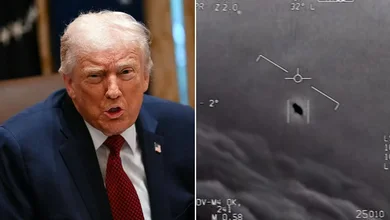
Speaking at the White House, Trump said he expected a response from Iran very soon. "I should have a letter tonight," he said, warning that if the deal is not signed, "Iran will face a lot of pain."
Rubio, during a visit to Rome, also said that the US administration hopes that Tehran will present a serious offer to enter into a genuine negotiation process.
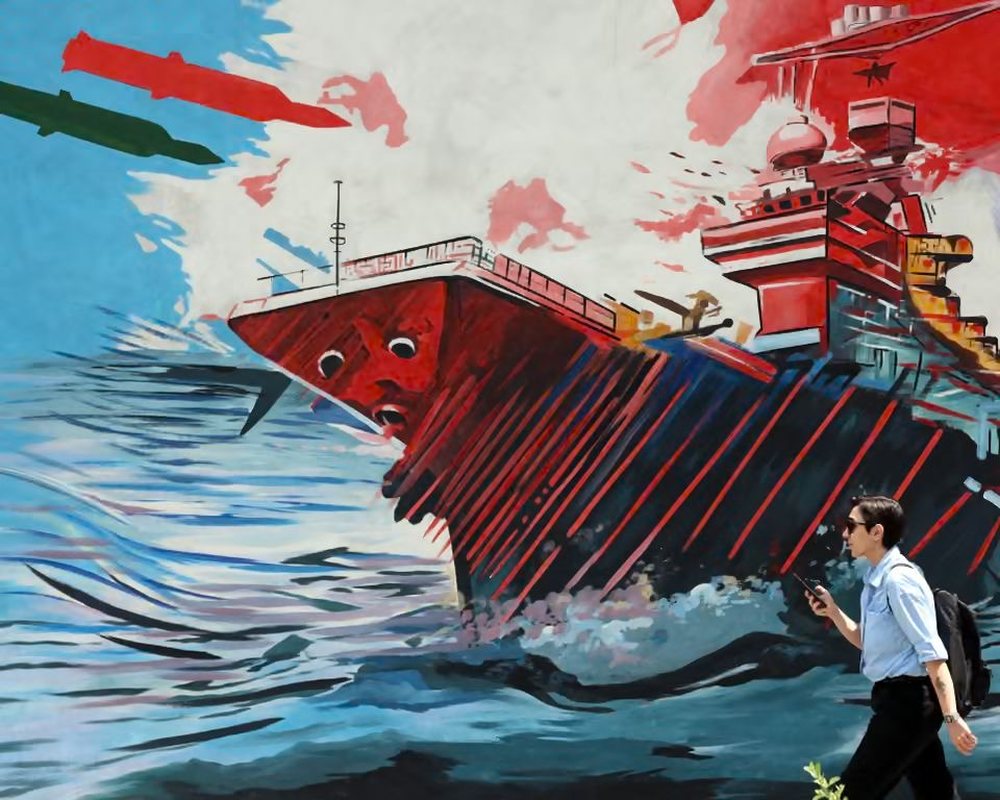
On the other hand, Iranian Foreign Minister Abbas Araghchi accused the US of undermining diplomacy with "reckless military adventures," while claiming that Iran has not only rebuilt its ballistic missile arsenal during the pause in fighting, but has also expanded it.
Control of the Strait of Hormuz and the threat of attacks on energy infrastructure in the Persian Gulf remain Iran's main bargaining chips. The US, meanwhile, has imposed a blockade on Iranian ships trying to leave the Gulf.
US Central Command said Iranian forces fired missiles, drones and small naval vessels at three US warships overnight, but none were hit. The US said it had thwarted the incoming attacks and struck Iranian ground bases in response.
Meanwhile, the United Arab Emirates announced that it had repelled another Iranian missile barrage. According to the UAE Ministry of Defense, three people were injured after air defenses engaged two Iranian ballistic missiles and three drones.
The crisis in the Strait of Hormuz continues to roil global markets. Oil prices have been volatile, with analysts warning that a prolonged closure of the strait could tip the world into a new economic recession. In normal times, about a fifth of the world's oil and gas supplies pass through the Strait of Hormuz.