By Helen Pilcher
For my husband's last birthday, I gave him a monthly subscription to craft beer. While he saw it as a delicious and generous gift, I had a devilish idea.
One evening, as I watched him drink the last bottle, I opened my email and said, “We just got a message from the beer company. They’re pulling the last batch.”
"What's the problem?" he asked.
"It seems there was some contamination," I replied.
His face immediately turned pale.
"Are you okay? You look a little pale," I said.
"Actually, I'm feeling a little bad," he said.
Of course, there was no email and I'm a terrible wife.
For several years now, I've been writing a book called "This Book May Cause Side Effects," about how our thoughts affect our health. Many people are familiar with the placebo effect, when positive expectations produce positive health outcomes. But my interest lies in its dark twin: the nocebo effect.
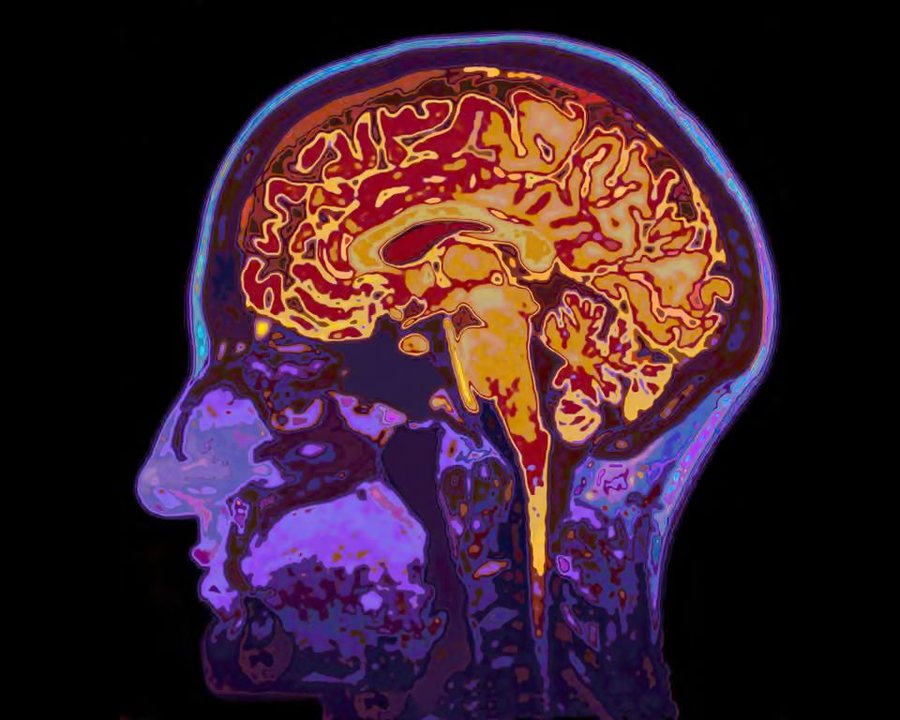
The nocebo effect occurs when negative expectations produce real negative consequences for the body. It can create, worsen, and prolong physical symptoms. When these symptoms come together, people can become ill not from an organic disease, but from the close relationship between mind and body.
The beer experiment was a primitive test of how easy it is to create the nocebo effect. The answer is: very easy. Sometimes all it takes is a few well-chosen words to make someone feel really sick.
And this is not just a theory. Numerous scientific studies confirm the phenomenon. In one of them, patients who had just undergone minor surgery were given a harmless saline solution, but were told that it would temporarily increase their pain. And so it did.
In another study, 40 adults with asthma inhaled water vapor from an inhaler that they were told contained an irritant. Nineteen of them began to have difficulty breathing, and 12 experienced a full-blown asthma attack.
The nocebo effect also occurs in real life. Whenever we have negative expectations about our health, they can become self-fulfilling prophecies.
If you've been feeling unwell after getting the Covid-19 vaccine, it's possible that some of your symptoms weren't caused by the vaccine itself. Analyzing 12 clinical trials with more than 45,000 participants, scientists found that many people who received placebos reported side effects, concluding that the nocebo effect explained about 76% of common adverse reactions to the vaccine.
The phenomenon can also affect the side effects of medications, and even gluten intolerance. In some experiments, people who thought they were gluten intolerant were able to eat normal bread without any problems, when they didn't know what they were consuming.
The nocebo effect doesn't just affect individuals. It can spread like a virus at a societal level. Researchers believe it has played a role in collective "mystery illnesses," from dancing epidemics in the Middle Ages to Havana syndrome, where American diplomats developed severe symptoms after believing they were attacked by a secret weapon.
During the pandemic, an outbreak of nervous tics among young people spread after they saw similar videos on TikTok. The phenomenon was called “TikTok tics.”
Today, many researchers believe that social media is accelerating the spread of symptoms created by anxiety and negative expectations.
Pilcher also believes that the nocebo effect is behind a large portion of "medically unexplained" symptoms, such as fatigue, dizziness, or pain with no apparent organic cause.
She argues that these symptoms are not imaginary and should not be ridiculed or minimized. According to her, science is increasingly showing that thoughts and brain activity can produce very real consequences in the body.