The military conflict with Iran, presented by the US as a means to reorganize the balance of power in the Middle East and strengthen deterrence against China, is being perceived in Beijing as a strategic mistake that could accelerate American decline and create new spaces for Chinese influence.
The choice of military confrontation with Iran was presented by its supporters as a move that could change the balance in the Middle East, constraining a regime considered a threat and curbing its nuclear ambitions. At the same time, the conflict is also seen as affecting the global balance of power, challenging a rising China in the face of American dominance over key factors such as the flow of oil.
However, a month after the conflict began, this approach is seen in Beijing as misguided and arrogant. According to analysis and conversations The Economist has had with Chinese diplomats and experts, the Chinese leadership has chosen not to get directly involved, following the saying attributed to Napoleon Bonaparte: “Never interrupt your opponent when he is making a mistake.”
In this context, the American stance is seen as confirmation of the strategic choices of Chinese leader Xi Jinping, who has decided to prioritize national security over economic development. Beijing believes that war could accelerate the decline of American power, while a future peace agreement could open up opportunities for Chinese investment and economic penetration.
From the Chinese perspective, Washington is acting against Iran because of its perceived weakness. Analysts point out that the use of force is not accompanied by a clear strategy, while President Donald Trump has reportedly ignored expert advice, giving the impression of lacking a coherent plan.
Meanwhile, the possibility of a ground operation is seen as a risk to a long-term US involvement in the Middle East, which could distract it from East Asia, a region where China aims to strengthen its influence. Such a situation could push some Asian countries to avoid clashes with Beijing, for fear of American instability.
In terms of energy, China has strengthened its self-sufficiency, creating strategic oil reserves and investing in nuclear, solar and wind power, while continuing to use domestic coal. At the same time, Beijing is expanding its economic influence, using tools such as rare earth metal exports and targeting strategic sectors such as semiconductors and advanced technologies.
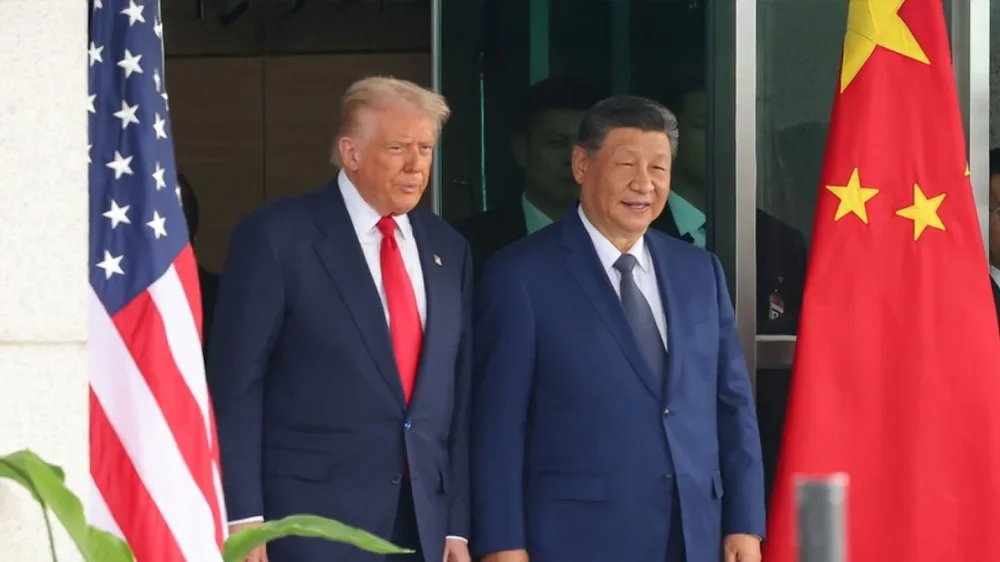
The conflict could also create economic opportunities for China, as Gulf countries and Iran will need to rebuild, while demand for alternative energy technologies could increase. At the same time, the US is expected to appear more flexible in negotiations with China, including in upcoming meetings between Trump and Xi in Beijing.
However, Chinese experts also express concerns, especially about the use of artificial intelligence by the US military and the consequences of a prolonged conflict on the global economy. They point out that an unstable international order could negatively affect China itself, which relies heavily on exports and global stability.
Finally, the analysis emphasizes that, although there is talk of the decline of the US, history has shown that it maintains a high ability to adapt, while China faces internal challenges such as an aging population and the limitations of the political system.
Top Channel