


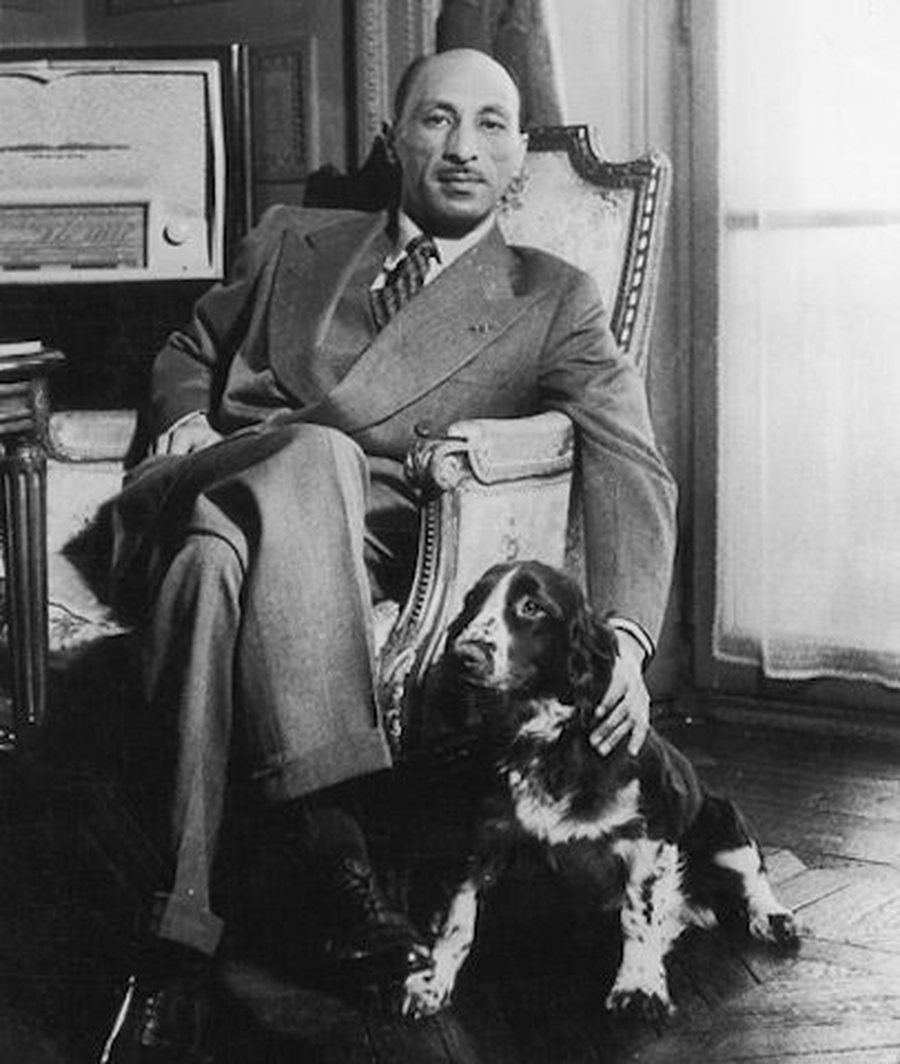
Mohammad Zahir Shah, the last king of Afghanistan, ruled the country for nearly four decades, from 1933 to 1973, in what is considered Afghanistan's most politically stable period during the 20th century.
He came from the Pashtun Barakzai dynasty, specifically the Musahiban branch of the Afghan royal family, closely linked to the military and tribal elite that dominated the country's politics for decades. Zahir Shah took the throne at just 19 years old, after the assassination of his father, King Mohammed Nadir Shah.
During his rule, Afghanistan pursued a policy of neutrality between the Soviet Union and the United States during the Cold War, benefiting from economic and infrastructural aid from both superpowers. In the 1950s and 1960s, roads, universities, dams, and state institutions were built, especially in Kabul, as the country gradually modernized.
In 1964, Zahir Shah adopted a new constitution that transformed Afghanistan into a constitutional monarchy and allowed a limited form of parliamentary democracy, expanded civil liberties, and more space for women's education and the development of an urban middle class.
Zahir Shah is often remembered as a relatively moderate and less repressive monarch compared to the regimes that followed. Although there are claims that he did not sign any execution orders for political reasons during his reign, historians treat this more as part of his reputation than as an absolutely documented fact.
In 1973, while in Italy for medical treatment, he was overthrown from power in a coup organized by his cousin Mohammed Daoud Khan. The monarchy was abolished, and Afghanistan then entered decades of coups, foreign invasions, civil wars, and instability.
After the fall of the Taliban in 2001, Zahir Shah returned to Afghanistan as a symbolic figure of national reconciliation, but without a real political role. For many Afghans, his period remains the last memory of a relatively peaceful and open Afghanistan.