


When the MV Hondius set sail from Ushuaia, the world's southernmost city, on April 1, it looked like the beginning of an unforgettable adventure. On board were 88 passengers and 61 crew members from 23 different countries, embarking on a 35-day expedition from Argentina to Cape Verde, passing through some of the most isolated islands on the planet.
Passengers posted photos of whales, dolphins and polar landscapes, calling the trip “an experience of a lifetime.” But a little over a month later, the cruise had turned into a global nightmare.
Three passengers died after an outbreak of hantavirus, a rare and deadly disease for which there is no cure. When the ship arrived near Cape Verde, authorities refused to allow the passengers to disembark.
A video posted by American blogger Jake Rosmarin, in which he appeared tearful and frightened, was shared around the world. "We are not just a news story. We are people, with families and lives waiting for us at home," he said.
The incident brought back memories of Covid outbreaks on cruise ships, when cruise ships wandered from port to port without being allowed to dock. But the World Health Organization insists the current situation is different.
According to the WHO, hantavirus is not easily transmitted from person to person and the risk to the general population remains low. However, this is the first time such an outbreak has been recorded on a cruise ship.
The first victim was a 70-year-old Dutch man who developed respiratory symptoms on April 6 and died five days later. Initially, the ship's captain said it was "natural causes." But the situation changed when his wife, who had disembarked on the island of St. Helena, fell ill and also died.
A few days later, a Briton on board fell seriously ill and was rushed to South Africa. An 80-year-old German woman later died on the ship, with specialists identifying hantavirus as the cause of the infection.
Public health experts explain that cruises create ideal conditions for the spread of diseases: closed environments, close contact between people, shared air and water systems.
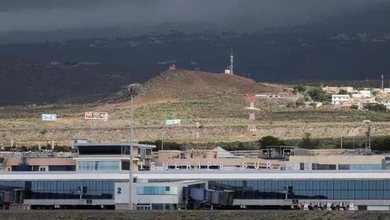
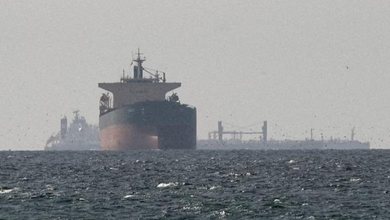
For more than three days, the MV Hondius waited off Cape Verde without permission to enter port. The Canary Islands also initially refused to accept the ship. After negotiations with the WHO, Spain allowed it to dock near Tenerife, but with strict isolation conditions.
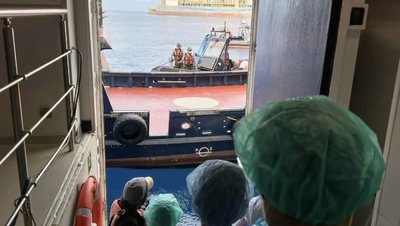
Passengers are expected to be evacuated to their home countries under extreme security measures. Spanish authorities said they will be transported to isolated areas, in special vehicles and without any contact with the public.
Meanwhile, health authorities are tracing at least 29 people from 12 countries who had earlier disembarked from the ship on the island of St. Helena. In Britain, 23 citizens who were on board may be isolated for 45 days upon their return to the country.
The WHO continues to emphasize that "this is not the beginning of a pandemic and it is not a new Covid," but the story of the "MV Hondius" has reignited global fears about how an unknown virus could turn a dream trip into an international tragedy in a matter of weeks.