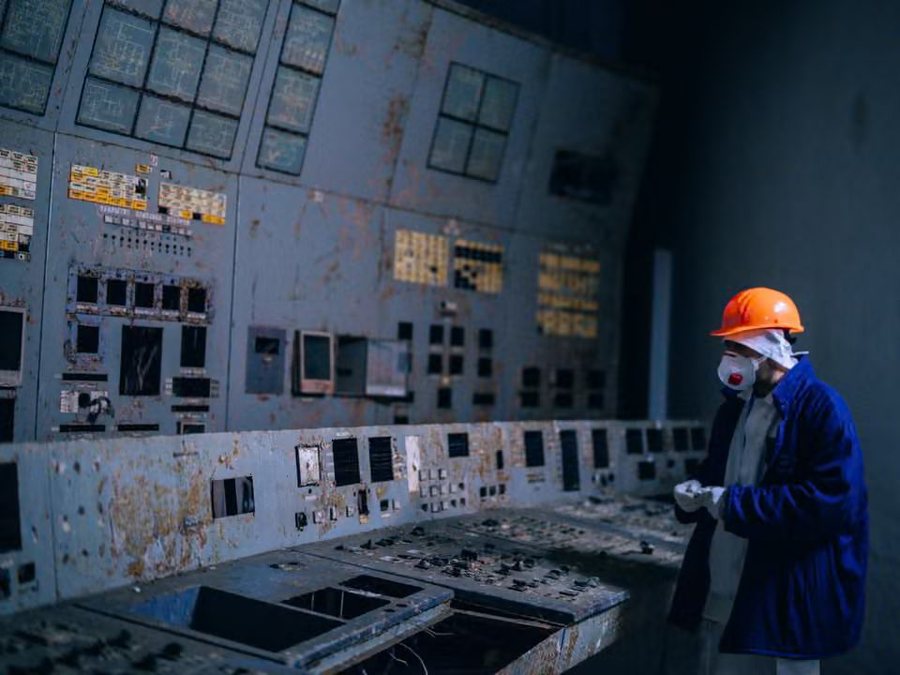
Forty years after the worst nuclear disaster in history, the Chernobyl zone remains one of the most dangerous places in the world. The war in Ukraine and Russian attacks have increased fears that another incident could happen at any moment.
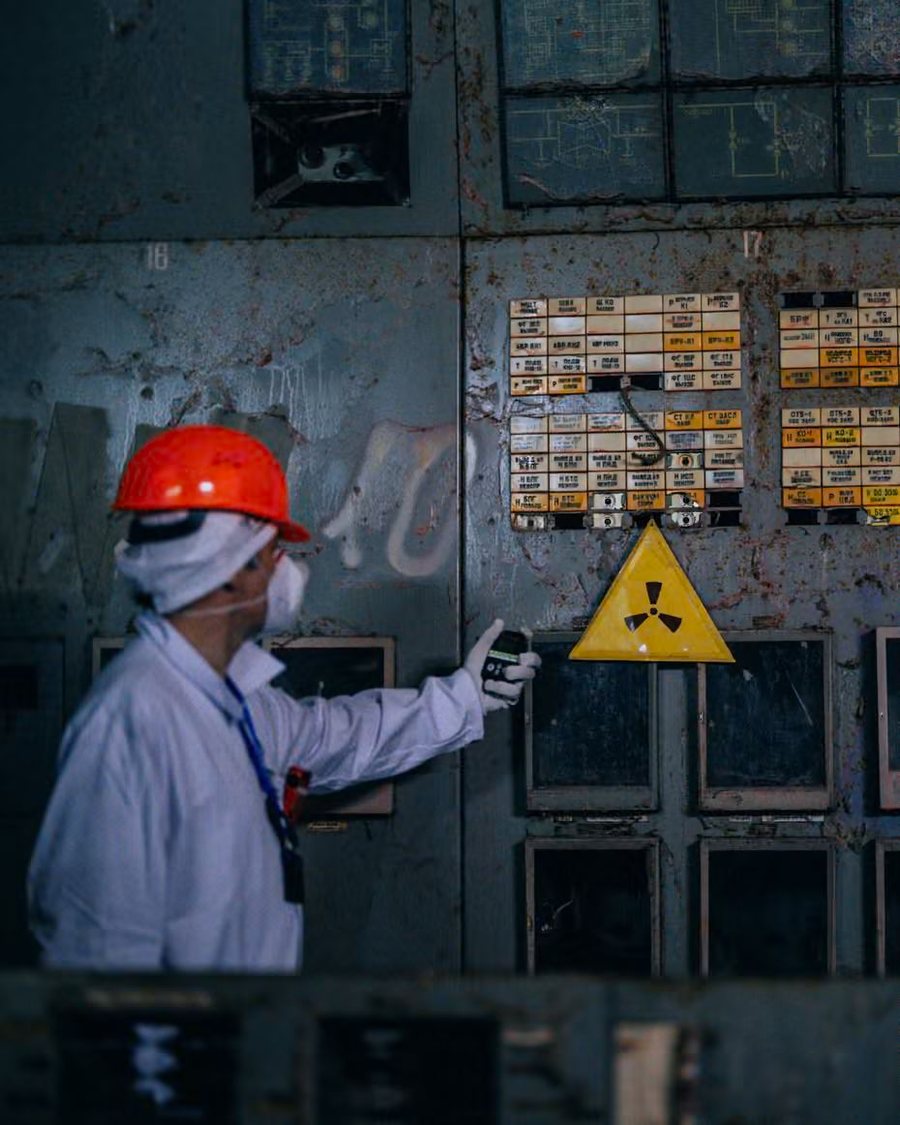
As soon as you enter the Chernobyl nuclear power plant zone, the radiation measuring device starts beeping as soon as you stray from the designated path. Just one more step and the sound accelerates – an invisible line between safe ground and radioactive contamination.
Above the destroyed reactor rises a giant structure called the New Safe Confinement (NSC) – the largest movable metal structure ever built. It is taller than the Statue of Liberty and wider than the Colosseum. It was completed in 2019 at a cost of about $2.5 billion, funded by 45 countries, to isolate the hazard beneath it.
Under this dome is the “sarcophagus,” a concrete structure built in an emergency in 1986 to cover the remains of reactor No. 4, which exploded on April 26, 1986, in the worst nuclear accident ever recorded.
Inside this structure are still about 180 tons of nuclear fuel and several tons of radioactive dust. The new dome was built to buy time so that the old sarcophagus could be gradually dismantled over the next few decades and prevent any release of radioactive materials.
But one thing that was not foreseen was war.
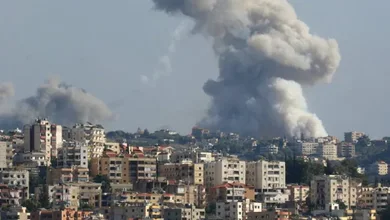
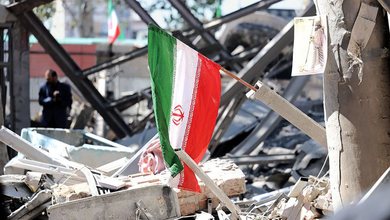
In the early weeks of the Russian invasion of Ukraine in 2022, Chernobyl was occupied by Russian troops. Three years later, on February 14, 2025, a Russian drone hit the containment structure, blowing a hole about 15 square meters in the metal dome.
According to plant managers, the attack damaged two main systems: the containment function that is supposed to keep any radioactive contamination inside, and the humidity control system that protects the metal structure from corrosion.
The plant's general director, Serhii Tarakanov, warns that if the sarcophagus were to collapse, more than 100 tons of nuclear fuel could be released into the atmosphere.
Ukrainian and Western experts say the structure must be repaired within four years, otherwise its 100-year lifespan can no longer be guaranteed. The repair is expected to cost up to 500 million euros, an amount that the Ukrainian government has yet to secure.
The work is extremely difficult, because radiation levels above the damaged area are so high that workers can only stay there for very short periods without exceeding the maximum permitted radiation dose.
The 1986 disaster caused 28 deaths from acute radiation sickness in the first few weeks, while about 116,000 residents were immediately evacuated from the surrounding area. Radioactive particles spread over much of Europe, and the disaster was first detected outside the Soviet Union, when a nuclear power plant in Sweden recorded unusual levels of radiation.
Today, the exclusion zone around Chernobyl is a nearly deserted area the size of Cyprus. Forests have returned, and wild animals like wolves, lynxes, and wild horses live where towns and villages once stood.
But the isolation of the area does not protect it from war.
Russian attacks on Ukraine's power grid have caused several power outages at the plant, increasing the risk to the systems that keep spent nuclear fuel cool.
"There is a real risk of a new incident. It could happen any night, any day," warns Director Tarakanov.
On the 40th anniversary of the Chernobyl disaster, one of the world's most dangerous nuclear sites continues to live under the shadow of a new threat: war.