


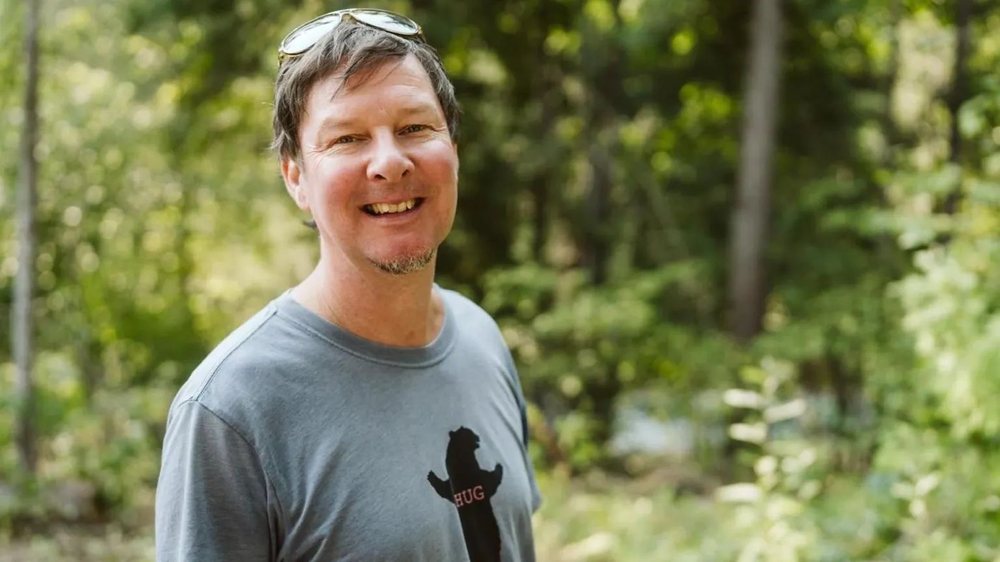
Lorne Warburton had never heard of hantavirus until three years ago, when he ended up in hospital on life support. Today, he describes the disease as "torture" and "hell on earth."
The Canadian told BBC Outside Source that in March 2023 he began feeling unwell with Covid-like symptoms: body aches, severe headaches and extreme fatigue.
But the situation deteriorated very quickly.
"I was covered in sweat and couldn't breathe," he said.
After being put on life support, doctors diagnosed him with hantavirus. He spent about three weeks in the hospital.
"The level of illness I went through was hell on earth. It was torture to go through something like that and then manage to come back," Warburton said.
In Germany, Christian Ege also experienced similar symptoms in 2019. He initially thought it was a stomach virus, with vomiting and dizziness. But tests showed he had been infected with hantavirus.
He ended up in the hospital with renal failure and sepsis, and spent several days in intensive care.
"The kidneys recovered normally, but the combination of bacterial and viral infection at the same time was very concerning," he said.
Both men are among the survivors of hantavirus, some variants of which have mortality rates of 20 to 40%.
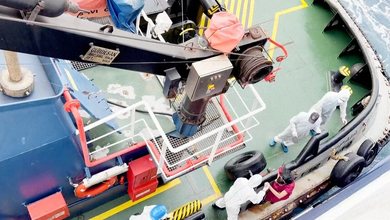
Their cases are coming back into focus after the recent explosion on the MV Hondius cruise ship, which has so far killed three passengers after the ship departed Argentina for a transatlantic voyage.
The cruise operator confirmed that three people, including a Briton, were transported to the Netherlands for medical treatment.
The Briton, identified by some media outlets as 56-year-old former police officer Martin Anstee, is reported to be in stable condition.
Meanwhile, the British Health Security Agency confirmed that two British citizens are self-isolating at home after possible exposure to the virus.
Hantaviruses, named after a river in South Korea, are not a single disease, but a family of viruses. According to the World Health Organization, there are more than 20 viral species.
The virus is usually transmitted by rodents through urine and dried feces. Infection occurs mainly when contaminated particles become airborne and are inhaled by humans. The virus can also be transmitted by rodent bites.
Lorne believes he became infected after cleaning a carpet in the attic, which had rat droppings.
Even Christian didn't know what hantavirus was until biologists discovered positive samples in his garden, while the boy had found a dead mouse a few days earlier.
Aktualisht nuk ekziston një vaksinë e përhapur gjerësisht apo trajtim specifik antiviral për hantavirusin. Trajtimi bazohet kryesisht në kujdesin spitalor dhe mbështetjen e frymëmarrjes.
Pas daljes nga spitali, Lorne tha se iu deshën një vit e gjysmë për t’u rikuperuar plotësisht.
“Rikuperimi ishte shumë i ngadaltë. Bën dy hapa përpara dhe katër pas,” tregoi ai.
Ai shtoi se pas qëndrimit në terapi intensive vuajti edhe nga një problem i rëndë në shpatull, që e bëri rikthimin fizik edhe më të vështirë.
Christian, nga ana tjetër, tha se pas katër muajsh ishte rikuperuar pa pasoja serioze, edhe pse procesi i dializës ishte shumë i lodhshëm për organizmin.
Edhe sot, Lorne vuan nga fibrilacioni atrial dhe duhet të marrë ilaçe për zemrën çdo ditë.
“Zemra ime nuk është në ritmin e duhur. Është e fortë, por nuk punon në sinkron”, tha ai.
Megjithatë, përvoja e ka ndryshuar mënyrën si e sheh jetën.
“Nuk i merr më gjërat si të mirëqena. Vlerëson edhe detajet më të vogla që shumica e njerëzve nuk i vënë re.”
Ai kujton se gjatë dy javëve në terapi intensive nuk kishte pirë ujë.
“Kur piva atë gllënjkë ujë të pastër, ishte gjëja më e mirë që kisha provuar ndonjëherë në jetën time.”