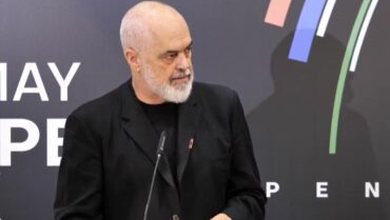


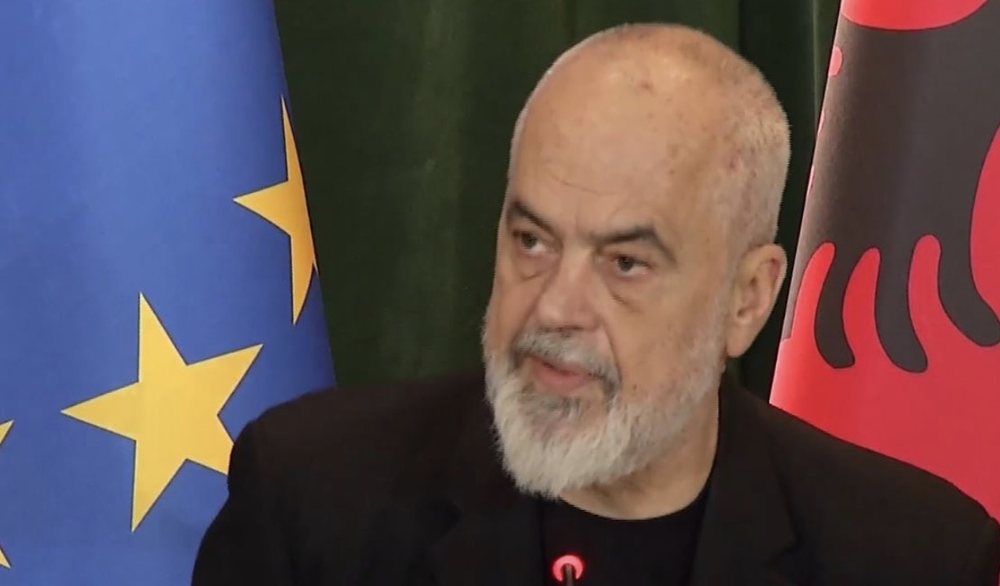
Prime Minister Edi Rama declared that Albania has made "significant progress" within the framework of Chapter 5 of the negotiations with the European Union, which relates to public procurement, comparing several of Albania's indicators with the averages of EU countries.
According to Rama, Albania performs better than the European average in several indicators related to the number of bidders in tenders and the percentage of procedures with a single bidder. The Prime Minister emphasized that in Albania, contracts with a single bidder account for 23.5% of the total, while the EU average is 32.3%.
But the big problem of the public procurement system in Albania has never been just formal statistics on the number of bidders.
For years, almost every major affair with public funds in Albania has had its origins precisely in procurement: from concessions and PPPs, to tenders for infrastructure, healthcare, technology, incinerators or public services.
Repeatedly, European Commission reports have raised concerns about the use of non-competitive procedures, the lack of transparency, the concentration of contracts among a limited number of economic operators, and the weakness of control over public funds.
SIGMA reports have also consistently highlighted problems with the real quality of competition in tenders, the use of negotiated procedures and the lack of effective control after the award of contracts.
In practice, many tenders in Albania have been accompanied by accusations of fictitious competitions, personalized criteria and concentration of funds in companies linked to the government. SPAK itself has launched numerous investigations precisely into procurement procedures, including files related to concessions, incinerators, roads, technological systems and tenders of central and local institutions.
One of the strongest criticisms of the Albanian public procurement model has been the massive use of public-private partnerships and concession contracts, which for years have been considered by experts and international financial institutions as high-risk areas for corruption and abuse of public funds.
In its progress reports on Albania, the EU has consistently called for strengthening control, increasing transparency, and reducing the use of procedures that limit real competition.
Precisely for this reason, the government's triumphalist statements on public procurement seem to contrast with public perception and the history of the largest corruption cases of the last decade in Albania, which almost without exception have arisen from tenders and the management of state funds.
In the end, the question remains the same: if the Albanian procurement system is so close to European standards, why does almost every major financial scandal in the country start precisely from a public tender?