

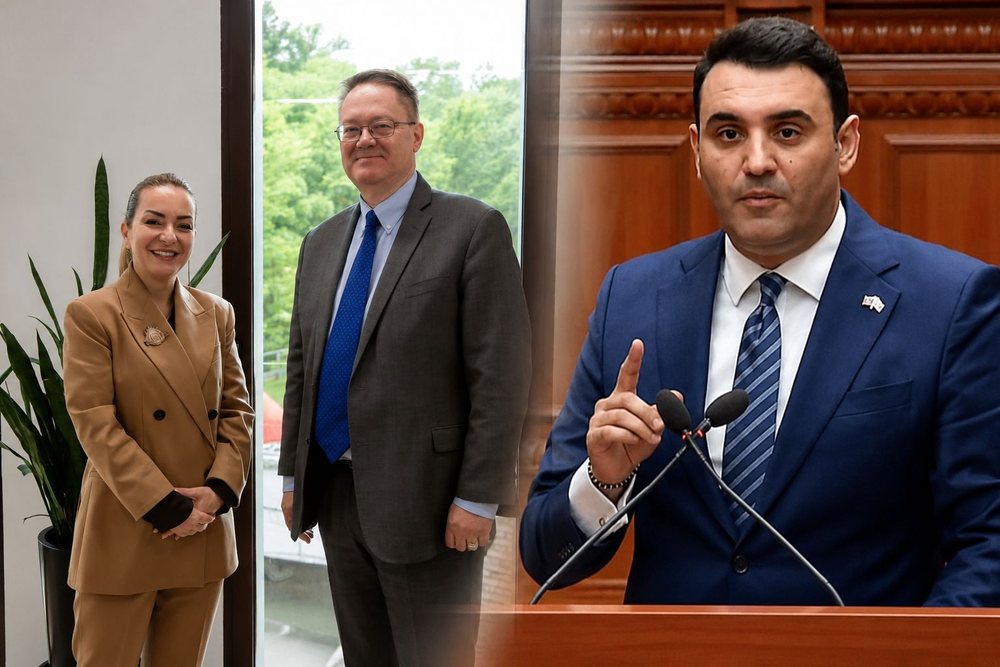
At the same time as the British Embassy in Tirana publicly promotes "Jet Bank" as a success story of financial innovation with British capital, the Albanian opposition has continued for months to raise questions and accusations about the licensing method of the digital bank and the people behind it.
This contrast has brought back into focus the debate over "Jet Bank", the first fully digital bank in Albania, and the question that is being asked more and more often: who should Albanians trust?
In an official post, the British Embassy announces that the British ambassador held a meeting with Fatbardha Rino, director of "Jet Bank", to hear the story of the bank's creation, the challenges of entering the Albanian market and plans for the future.
According to the embassy, "Jet Bank" represents a new innovative model in the Albanian financial sector with British capital and an example of economic cooperation between Great Britain and Albania.
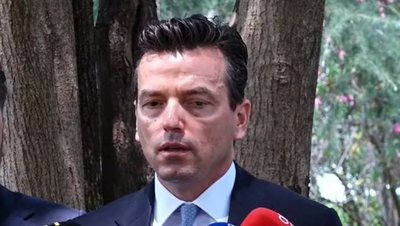
But in parallel with this diplomatic promotion, Democratic MP Belind Këlliçi has long raised public accusations and demanded transparency for the bank's licensing process from the Bank of Albania.
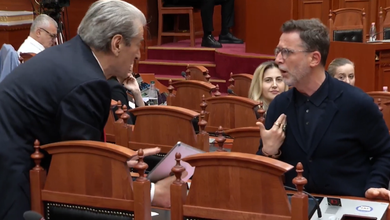
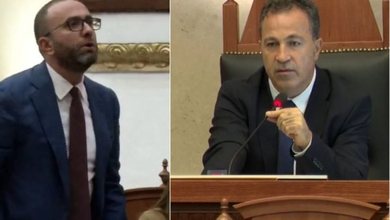
In several public appearances and in parliamentary interpellation, Këlliçi has claimed that behind the "Jet Bank" project are people connected to companies involved in call center fraud schemes against European citizens.
The Democratic MP has also published documents that, according to him, belong to German authorities and that raise concerns about the connections of people involved in the bank project with companies investigated or linked to financial fraud in Europe.
He has requested public explanations from Prime Minister Edi Rama and the Bank of Albania on how the filtering and licensing process for a financial institution of this level was carried out.
However, so far there has been no detailed public reaction from the prime minister or the responsible institutions on these allegations, while the government has considered the accusations as part of the opposition's political rhetoric.
In this polarized atmosphere, citizens are faced with two completely different narratives: on the one hand, a bank that is promoted by international partners as a symbol of modernization and foreign investment, and on the other, an opposition that has been warning for months about potential danger and demanding a full investigation and transparency.
And it is precisely here that the dilemma that is accompanying the entire debate arises: who should Albanians trust?