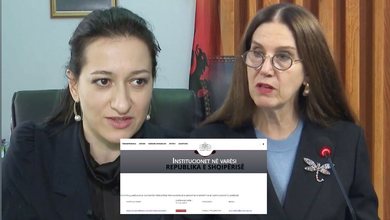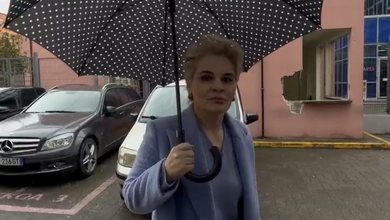



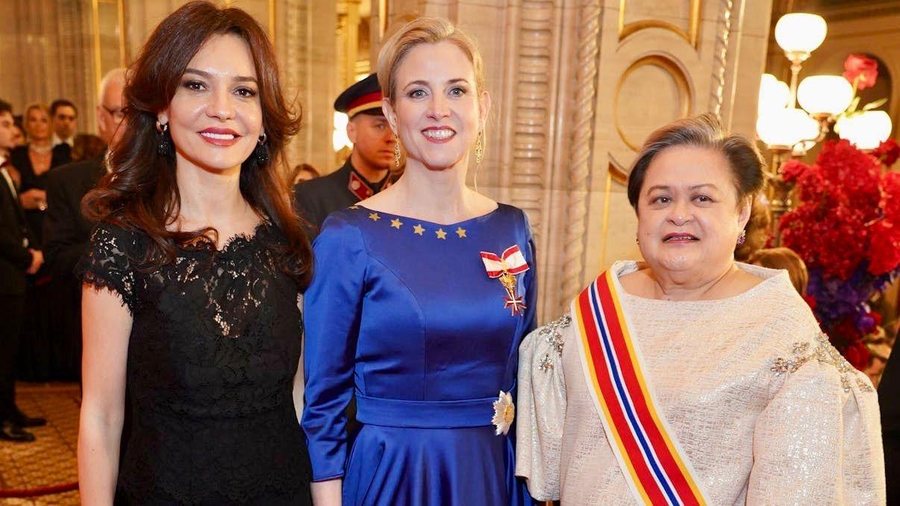
In the golden halls of the Vienna State Opera, where waltz mixes with politics and symbolism with protocol, Albania was this time represented by Elisa Spiropali, invited to the famous Opera Ball. The event, held under the patronage of Federal President Alexander Van der Bellen, is presented as an important instrument of cultural diplomacy and a showcase where politics wears white gloves. 
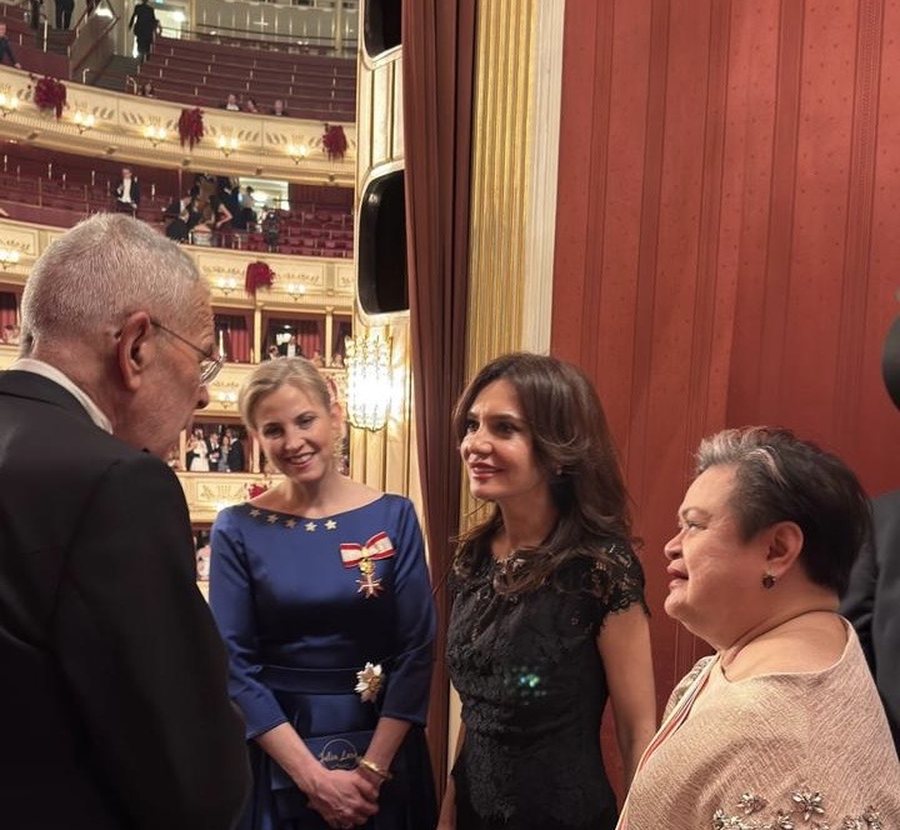
In her post, Spiropali presented the invitation as a sign of Austria's respect and trust in Albania — a gesture that, in diplomatic reading, sounds like a natural rapprochement between allies. And in fact, the Opera Ball is an event where politics, business and culture meet under the lights of chandeliers, with thousands of guests and a choreography of symbols that goes beyond dancing. 
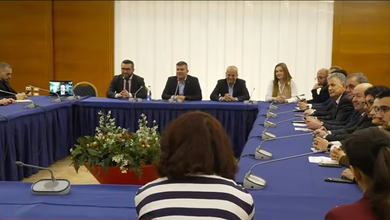
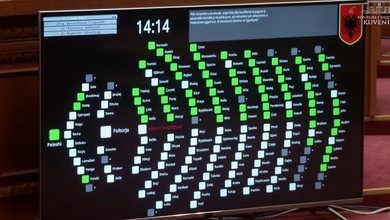
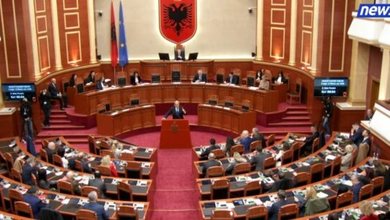
But the irony begins where the music ends. While in Vienna waltzes opened the evening, in Tirana the Parliament postponed the discussion of the law on the status of diplomats — according to critics, a coincidence that did not go without comment, given the absence of the Speaker of the Parliament at the session. On social networks, a debate also erupted over the cost of boxes at the ball, which in the most exclusive variants range from thousands of euros to figures that, to the Albanian public, sound like the budgets of mini-institutions. (Official prices for boxes at the Opernball start from around 15–19 thousand euros, depending on the category.) 
And so it is, a classic contrast: a country still debating the transparency of public funds and diplomatic reforms, while its representatives appear at one of Europe's most elite events. Cultural diplomacy, of course, is no sin — but in a heated political climate, any photoshoot under the glass can also be read as a distance from everyday reality.
In the end, the question remains as symbolic as the ball itself:
Is this a victory for Albania's international image, or an evening where Albanian politics chose the waltz while laws waited their turn?