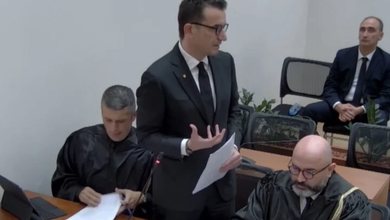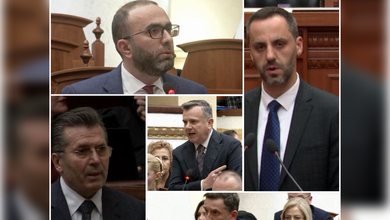



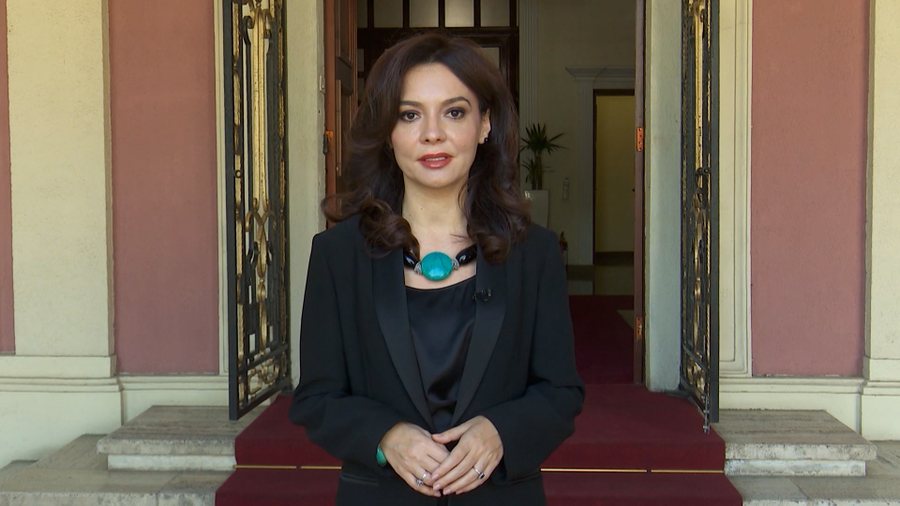
Elisa Spiropali seems to have recently discovered a major problem in Albanian politics: the parliamentary crisis. In a reaction on Facebook, the former Foreign Minister appeared annoyed by the last parliamentary session, where the debate degraded into insults and clashes, even between female MPs.
"The crisis of Parliament is the crisis of the Parliamentary Republic," Spiropali writes in her status, arguing that the institution that should represent citizens and control the government is increasingly turning into an arena of conflicts that do not produce policy.
According to her, the problem is not the conflict itself – which has always been part of politics – but the fact that banal conflict is replacing the function of Parliament. She warns that when Parliament fails to exercise its representative and controlling role, the first consequence is the decline of public trust and the weakening of the Parliamentary Republic itself.
But this panorama of clashes and tensions in the Assembly is not something new. On the contrary, it is a reality that has been happening for a long time, even during the period when Spiropali himself led the Assembly and did not spare fierce debates with the opposition, especially with Sali Berisha.
In this sense, her reaction seems like a belated reflection on a crisis that Albanian politics has built itself over the years - often with the contribution of those who today appear concerned about it.