

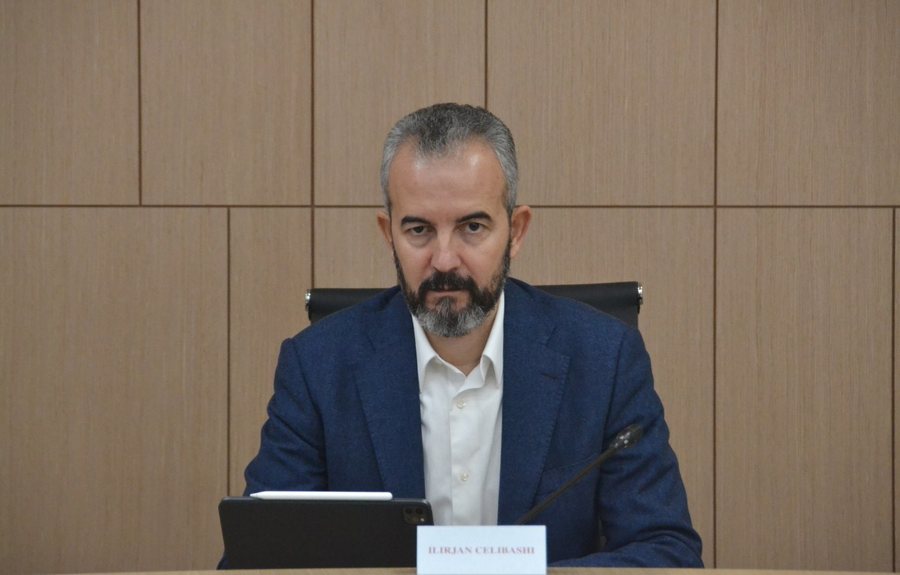
The State Election Commissioner, Ilirjan Celibashi, has issued a clear call to the political class on the progress of electoral reform. Through a communication that emphasizes the need for predictability and inclusiveness, the head of the CEC has set a "deadline" for the adoption of legal changes, demanding that they not be left to the last moment.
According to Celibashi, the early approval of the legal framework is vital for the technical smooth running of the upcoming electoral process. He stated that:
"The changes to the electoral law should be in force no later than June of this year. In this way, political parties, the CEC or other public institutions related to the electoral process will have sufficient time available to prepare for the 2027 local elections as the electoral law will determine."
In addition to time, the Commissioner also emphasized the quality of the process. He insists that reform should not be a closed product of political "kitchens", but a broad dialogue that includes all actors in society. Seeking a different approach from the traditional one, Celibashi underlined:
"The reform process should be open and widely consulted. Discussions on changes to electoral legislation should not take place in a closed manner or be limited to political tables. On the contrary, the process should include consultations with institutions that administer elections, with civil society organizations, with experts in the field and with international organizations that monitor electoral processes, but also with judicial bodies."
This stance comes at a time when political parties have often left electoral reform as a matter of last-minute negotiations, which has often created technical difficulties for the CEC in implementing new technology or rules on the ground.