


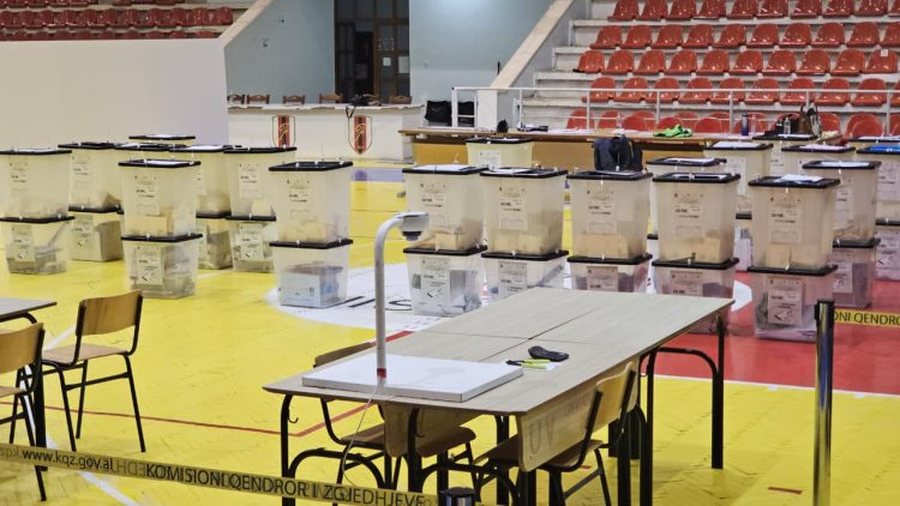
A shrinking number of voters are heading to the polls in what experts call a climate harmful to democracy and rooted in a deep lack of trust in political parties.
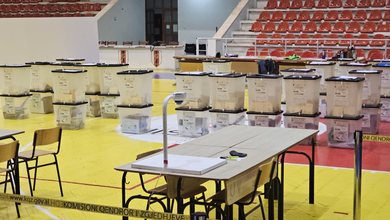
In rainy weather and flooded streets, the citizens of Vlora almost boycotted the elections for the new mayor, in which less than 20 thousand voters out of a total of 171 thousand or 12.54 percent of voters participated.
Although Vlora is historically known for low turnout, Sunday's voting marked a historic minimum.
The turnout was also low in Berat, where only 20 percent of voters exercised their right. In the smaller municipalities, Cërrik, Mat and Tepelena, the turnout was comparatively higher. In Cërrik, 24.81% of voters participated, in Mat, almost 39.23% participated, while in the Municipality of Tepelena, 34.63% of voters participated.
A shrinking voter turnout is giving the majority's elected officials a wide margin of votes over rival candidates. In the five municipalities, Socialist Party candidates won with percentages ranging from 66 to 83%.
Prime Minister Edi Rama blamed the low turnout on the rainy weather and "the very nature of partial elections, which do not stimulate participation," but for civil society experts this more indicates the political apathy of voters and the lack of trust in political parties.
"The deep lack of trust in political parties, which is deepening, is creating a very harmful climate for democracy as a whole in Albania and direct democracy, as every 4 years the people have the opportunity to exercise sovereignty by voting for those elected to the legislative body and local government bodies," said Erida Skëndaj from the Albanian Helsinki Committee.
Skëndaj lists a number of other factors that influence what she calls the deepening of voters' political apathy, such as emigration, one of the wounds that has affected Albanian society, influenced by poverty, unemployment, worrying corruption, the lack of meritocracy and economic stability.
"All these problems for the electorate translate into the lack of a credible alternative to address them and provide solutions," Skëndaj emphasized.
The climate where citizens are losing trust in politics is fueled, according to Skëndaj, by "unusual resignations of mayors, which, according to her, weakens the level of their responsibility and accountability as elected officials, or criminal proceedings, which also reduce voters' confidence in the constitutional right to vote."
-

Partial elections, 18% turnout, Vlora record in boycott
November 9, 18:37
Rigels Xhemollari from the organization "Citizen Resistance" also notes a citizen boycott, especially in the case of Vlora.
"It could also be called a civic boycott, as we are dealing with a city that is simultaneously suffering many problems from fires, property damage, and floods, and yet the municipality has not been there for them," he said.
He adds that the reasons for the low turnout are also related to the fact that they were not considered important due to the partial mandate and the real lack of an opposition as an alternative.
“This did not produce a campaign, attention and information for citizens,” argues Xhemollari.
Even though vacancies in some municipalities had been ongoing for months, the president decreed the election date for October 1, after the government decided to dismiss the mayor of Tirana, Erion Veliaj, who has been in detention since February, accused of corruption.
The elections in Tirana were suspended by a decision of the Constitutional Court, while the other 5 municipalities introduced a rapid electoral process that officially provided for only 1 week of campaigning.
According to Skëndaj, the short time was an additional reason for the low turnout, as it "made it impossible for the normal development of the stages of the pre-election process, including voter awareness...".
The announcement of by-elections in municipalities previously run by the Socialists was not met with any enthusiasm in the Democratic Party, the largest opposition party, which had just emerged from a heavy defeat in the May 11 parliamentary elections.
Along with other opposition parties, the Democratic Party chose a previously untested formula, supporting candidates who expressed a desire to register as independents, a support that remained more declarative than real in the field campaign of these candidates.
For Rigels Xhemollarin, the opposition's behavior towards independent candidates only damaged their alternative.
"The opposition deliberately killed the alternative of independent candidates, considering them as rivals of political candidates. Supporting a candidate is not just a public statement, it needs organization, financing and structures, which I suspect the opposition put at the disposal of these candidates," he concluded. /BIRN/