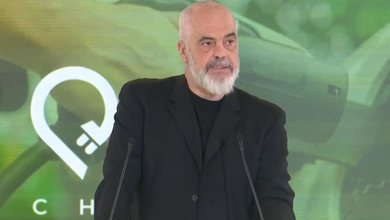



In a recent video on social media, Prime Minister Edi Rama said that the health and social welfare budget for next year exceeded 1 billion euros.
"I thought it appropriate to share with you the 2026 draft budget with its over 1 billion euros for health and social welfare," the Prime Minister declared.
However, funding for health and social protection does not exceed this amount. It is not even 1 billion euros.
According to the official draft budget, the total budget for health and social care in 2026 is 82.5 billion lek, which converts to about 853 million euros. The calculations result in about 147 million euros less than what the prime minister declares.
"All this is happening is 'extra' propaganda for the ears of citizens," explains the director of the Institute for Economic Studies, Zef Preçi.
"Then why should it be mentioned as if you are giving your life savings when the budget is a joint fiscal contribution of all citizens of the country," he adds.
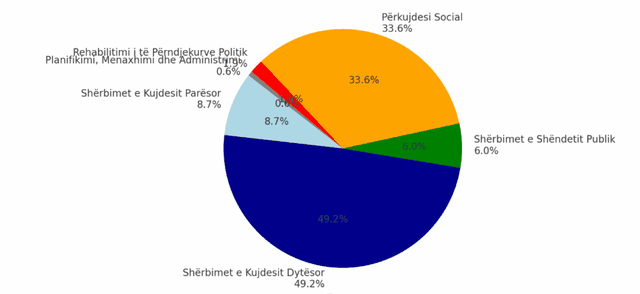
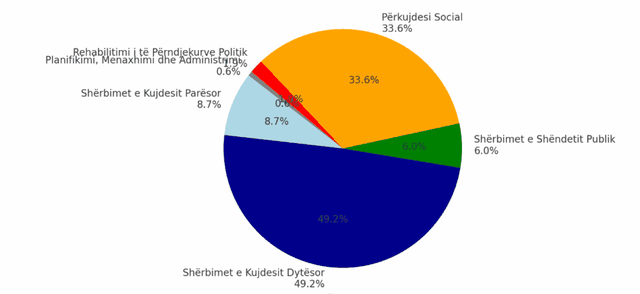
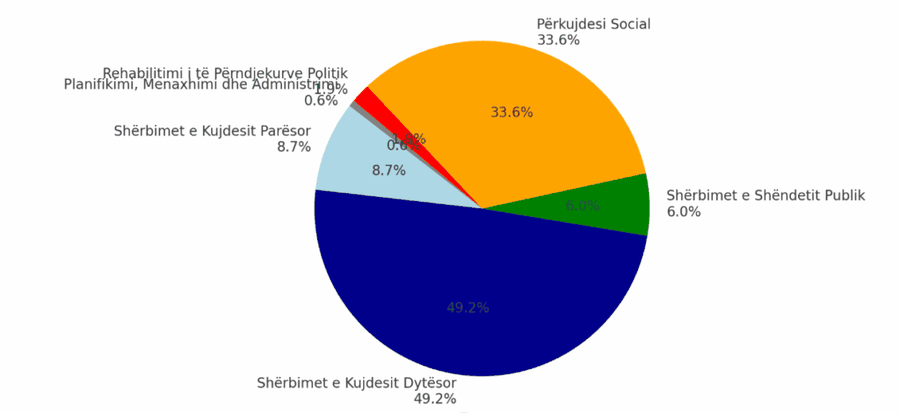
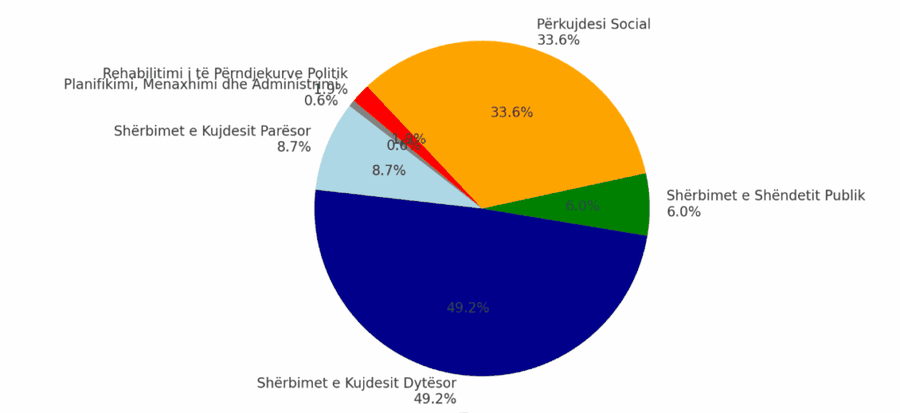
Even if we look at the structure of the health budget, a marked inequality is observed. Secondary care services (hospitals) take up almost half of the total, 49.2%, while planning, management and administration take up only 0.6%. Primary care, which should be the basis of any functional health system, takes up only 8.7%. Meanwhile, social care, which is often cited as an example of support, takes up 33.6% of the total.
Funding cuts over the years
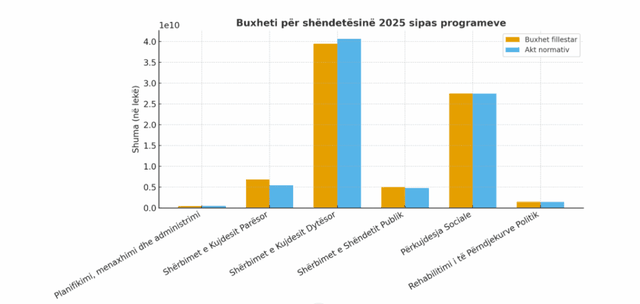
Although health is declared a priority, in the last five years, although limited funds have been further reduced through normative acts. From 2021 to 2025, the initial budget increases, but subsequent normative acts often reduce the real amounts going to health.
"In healthcare, funds have been reduced not so much because of budgetary difficulties or other development priorities, but mainly because of the iron-fisted control of procurement. Tenders are canceled if the money does not go 'where it should go", argues economic expert Zef Preçi.
The most typical case is the year 2023, where 78 billion lek were planned, but in fact only 74.4 billion were provided. A difference that translates into fewer hospitals, fewer services, and fewer opportunities for patients.
This year too, it is noticeable that in three normative acts, the health budget has been gradually reduced from 80.7 billion lek to 80.2 billion.
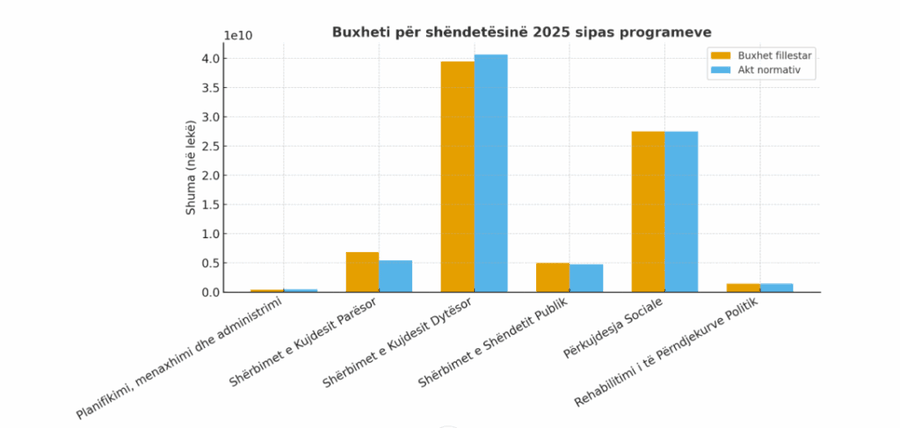
The most significant reduction has been in primary care funds, which are essential for prevention and basic services. Referring to the latest normative act, funding has been significantly reduced by almost 1.4 billion lek. Public health services have also suffered a decrease of about 259 million lek, while social care has remained almost unchanged.
Compared to the initial plan, only funding for hospitals has increased by 1.2 billion lek. The rest of the sector has been affected by the cuts.
cONcluSiON
This is not the first time that Prime Minister Rama has mentioned the figure of 1 billion euros when referring to the financing of health and social protection.
Even in March of this year, during the campaign for the general parliamentary elections, he shared the same figure for the current year in the "Sy m' Sy" column, stating: "Health and social support today are 1 billion euros, today."
However, verification of budget data shows that real funds for the sector this year are still lower than 1 billion euros.
If we were to take this repeated statement for granted, it would seem that we have been standing still for at least two years, with the "1 billion" figure never changing.
Based on the verification carried out, we categorize Prime Minister Edi Rama's statement that healthcare funding in the 2026 draft budget exceeded 1 billion euros as untrue. /Faktoje.al/