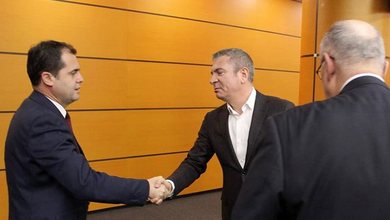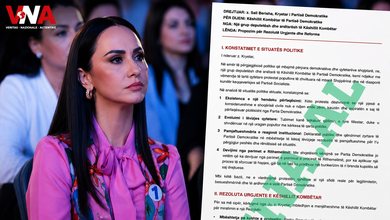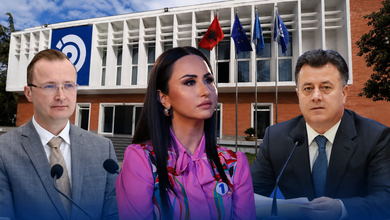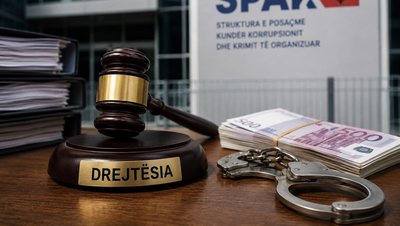



Former Minister of Health, Ilir Beqaj, who is in detention in Durrës prison, has issued a public statement through his lawyer targeting the work of the Special Prosecution Office (SPAK) and calling on majority MPs to exercise real parliamentary control over this institution.
In his position, Beqaj latches onto the legal debate over the constitutional concept of "senior official", claiming that SPAK is exceeding the powers defined in the Constitution and the Code of Criminal Procedure. According to him, socialist deputies should not turn SPAK's annual reporting sessions into formal performances, but rather demand accountability for the implementation of the law.
"Prosecutors have no freedom to deduce or mislead"
At the center of the former minister's criticism is Article 260 of the Criminal Code (passive corruption of high-ranking officials). Beqaj argues that SPAK is deliberately expanding the circle of persons it investigates, ignoring the clear and exhaustive list established by Article 135 of the Constitution and Article 75/ai of the Criminal Procedure Code.
"Both the constitutional norms and the norms of criminal procedure are clear and exhaustive. They define the framework for the prosecutor and do not give him the freedom to either deduce, (not) exclude, or misunderstand that the specific law is the Council of Ministers..." Beqaj states in his letter.
According to the former minister, the judicial practice of the Special Court (GJKKO) itself has in some cases overturned SPAK's assessments of the status of "special subject" (as in the case of the Secretaries General of ministries), but prosecutors continue to maintain the same position.
"If the GJKKO appeal has ruled several times that the Secretary General in a Ministry is not a special subject, therefore not a senior official, why do SPAK prosecutors continue to treat the Secretary General as a special subject?" he asks.
Call for parliamentary control: "Independence does not exclude accountability"
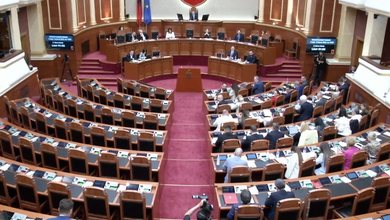
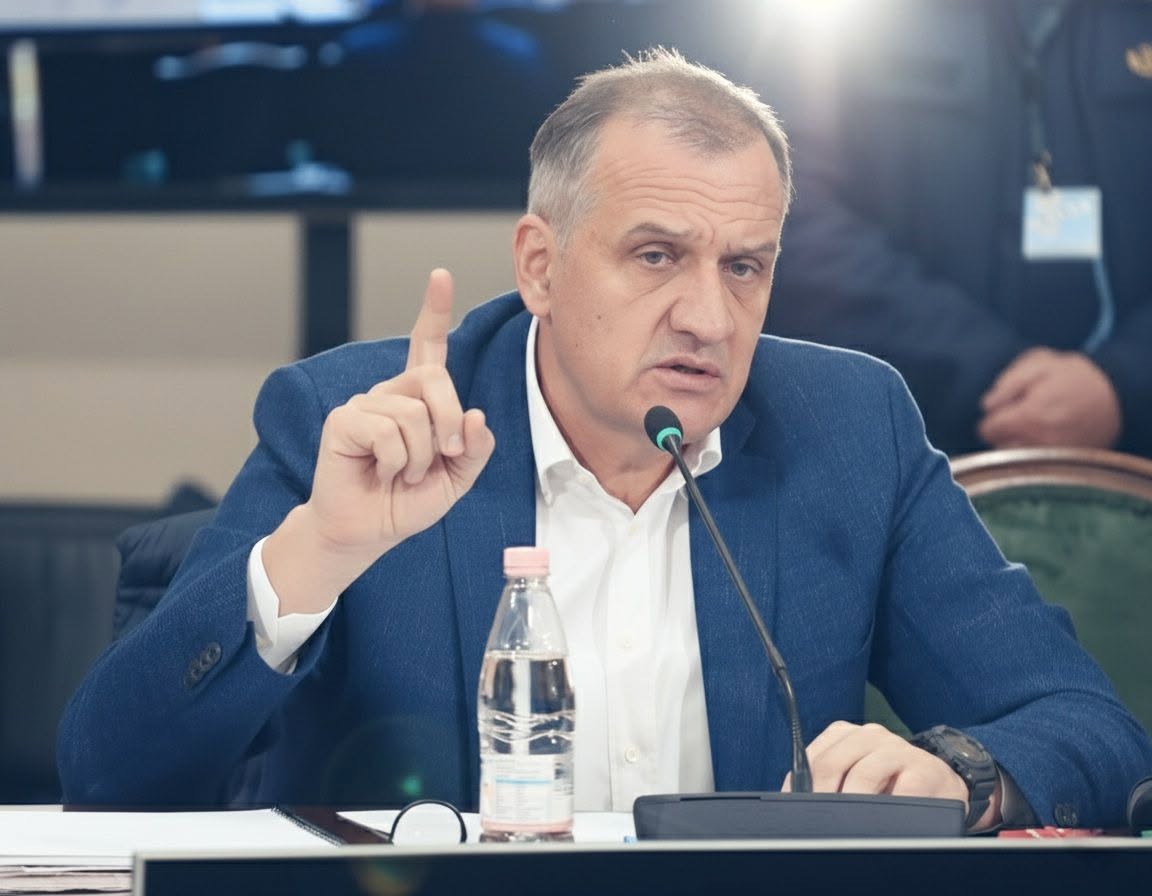
In closing the letter, Beqaj directly addresses the Parliamentary Committee and the majority MPs, demanding that control over independent institutions such as SPAK not be merely formal, but a real accountability mechanism for the way procedural law is interpreted.
"The independence of the prosecutor in the exercise of criminal prosecution is a constitutional guarantee. But independence does not exclude institutional accountability for the way procedural norms are interpreted and implemented, especially when judicial practice highlights recurring problems."
He raises the legitimate question of why MPs dare not ask these questions during the public reporting sessions of the head of SPAK:
"Why are these hearings organized and broadcast publicly, if no real control is exercised over the issues that are evident in judicial practice? What, ultimately, is the concrete function of parliamentary control over independent institutions?"