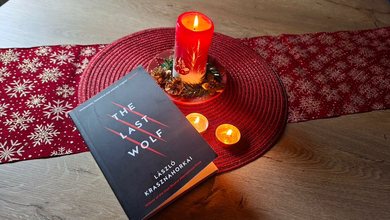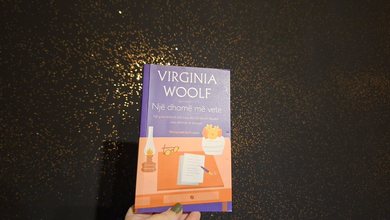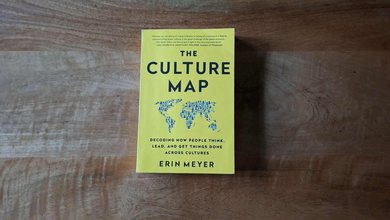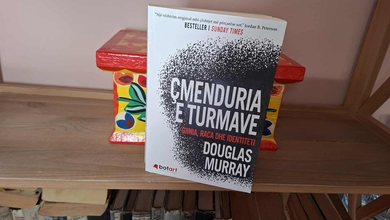



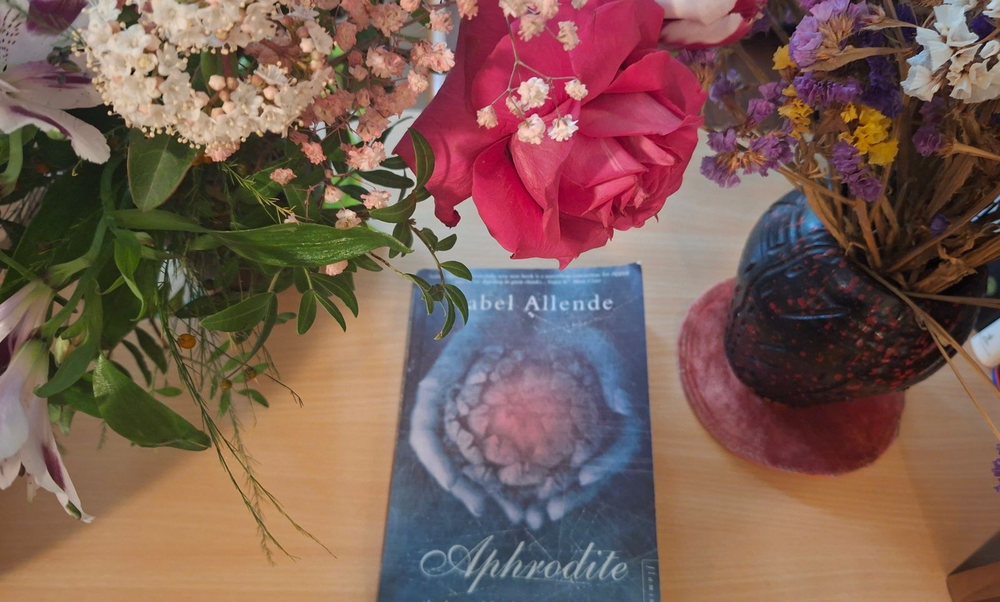
“…I made a list of everything… (that) in different cultures enriches passionate life, or simply life in general. And, naturally, food was at the top of the list.”
— Aphrodite, Isabel Allende
There are books that guide, books that inspire, books that entertain, books that turn off the mind, books that change your life, and then there are books that enliven the senses.
Aphrodite by Isabel Allende belongs without a doubt to the last category.
The book contains recipes, but it is not a cookbook in the strict sense. It carries stories from the author’s life, but it is not an ordinary autobiography. It is a meditation on appetite in all its forms: hunger for food, hunger for love, hunger for vitality, hunger for life. Allende travels through cultures and centuries, collecting myths, anecdotes, spices, and sensual rituals that people have used to enrich their lives. Reading the book is like sitting at a wooden table on a long winter night, where stories and tastes mingle, where desire is not hidden but honored as a force that breathes life.
She writes that food tops the list of what enriches life. So, not efficiency, not status, not productivity, not wealth. But, food.
I lingered on this sentence and thought about workplaces, about meetings where words are exchanged but not savored, about emails that inform but never nourish, about strategies that work perfectly but leave people empty.
Can workplace communication, like some dishes, be neutral and unpalatable, more fuel than food?
We have agendas designed like restrictive diets. Curiosity disappears like excess sugar. Appreciation is rationed. Storytelling, emotion, and ritual are eliminated in the name of productivity, the very ingredients that make people want to be fully present. And we end up with bland communication.
The Agenda Book reminds us of something that human cultures have long understood and that organizations often ignore: life thrives within those moments that invite us to be present, not merely functional. When communication at work is stripped of its flavor to become merely functional, it resembles protein cookies. Technically adequate. Emotionally impoverished. We've optimized the kitchen and forgotten the meal.
So, what would communication look like in the workplace if we treated it as a recipe?
Here's a simple one:
· A cup of curiosity to create space and make people feel invited, not managed.
· Two teaspoons of appreciation, considering the person at the forefront.
· A few crumbs of empathy, not as weakness, but as openness.
· A tablespoon of storytelling, that eternal human thread that transforms words into meaning.
And finally, there's ritual.
At Ajende, the exploration of food is not just about consumption, but about waiting, being present, engaging the senses. Food becomes a metaphor for human connections. Ritual transforms routine into meaning.
Workplaces are also living cultures. They need spaces where people are emotionally nourished and where rituals are honored.
If food tops the list of what enriches life, perhaps communication tops the list of what enriches organizational life. So let’s ask: how are we communicating? Are we offering quick consumption, or are we preparing something that invites people to gather, to savor, to participate?
Aphrodite delights in the art of living more fully through presence. The book suggests that appetite is not a sensation to be suppressed, but one to be wisely cultivated. In this spirit, perhaps communication at work deserves the same respect that we give a carefully prepared meal.
When communication nourishes, culture flourishes. And flourishing, like good cooking, never happens by chance.