


A global operation coordinated by INTERPOL has led to the identification and protection of 4,414 potential victims of human trafficking, as well as the detection of 12,992 migrants in an irregular situation, in 119 countries around the world.
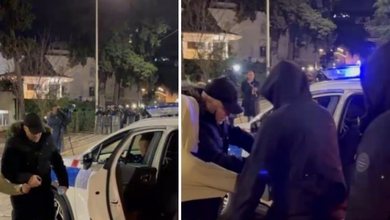
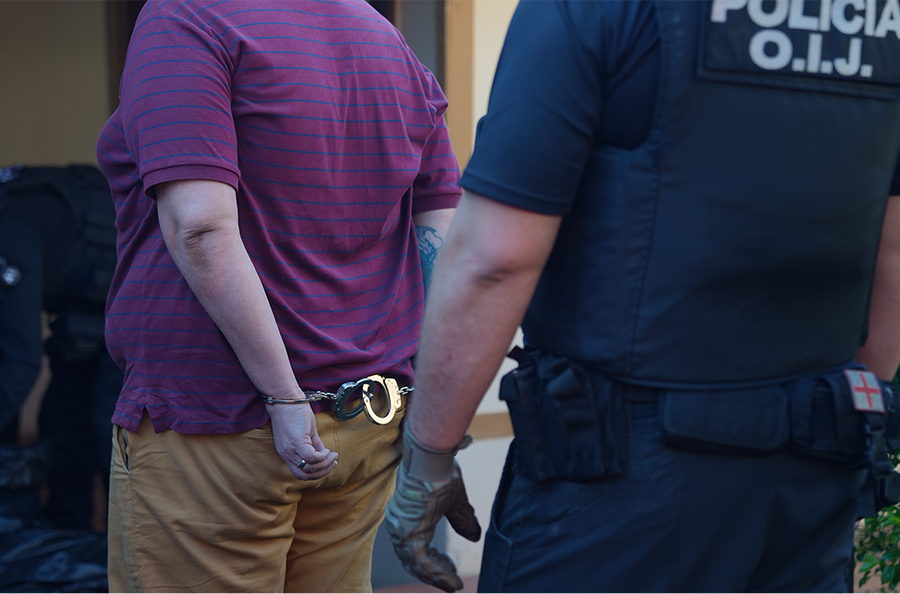
The operation, called Liberterra III, took place from November 10 to 21, 2025 and resulted in the arrest of 3,744 suspects, including over 1,800 people for human trafficking and migrant smuggling, according to preliminary reports from participating states.
Over 14,000 police officers were deployed in field checks, targeted operations, raids and increased border measures. As part of the operation, authorities opened more than 720 new investigations, many of which are still active.
INTERPOL Secretary General Valdecy Urquiza stated that criminal networks are constantly adapting, exploiting new migration routes, digital platforms and more vulnerable groups, and that identifying these patterns helps authorities intervene earlier to protect victims.
The main findings of the operation include:
• Trafficking-related fraud remains a serious problem in Asia and Africa, however improved police intelligence has led to more arrests and repatriations of victims.
• In addition to sexual exploitation, cases of forced labor and exploitation for criminal activities are increasing, including cases of forced domestic service and other forms of exploitation.
• Trafficking patterns are changing, with increasingly frequent cases of victims from the Americas and Asia being trafficked to Africa.
• Sea routes to Europe from West and North Africa remain under high pressure, with very dangerous journeys for migrants.
• Authorities are increasingly using online monitoring to track criminal networks.
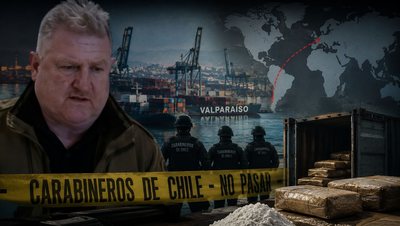
• Trafficking and smuggling of migrants are often linked to document forgery, money laundering and drug trafficking.
Specific cases from the operation
• In Spain, authorities dismantled a criminal network that exploited women through premises disguised as service businesses.
• In Mali, dozens of women trafficked for exploitation were identified.
• In Brazil, an international migrant smuggling network was busted and millions of dollars in property and assets were seized.
• In some countries, dangerous sea departures with hundreds of migrants in overcrowded and unsafe vessels were interrupted.
Expanded international cooperation
The operation was supported by a wide network of international organisations, including Europol, Frontex, IOM, UNODC, as well as national authorities and non-governmental organisations. Special coordination units were set up in Algeria, El Salvador, Laos and the United Kingdom.
Albania was also part of the countries participating in this international operation.