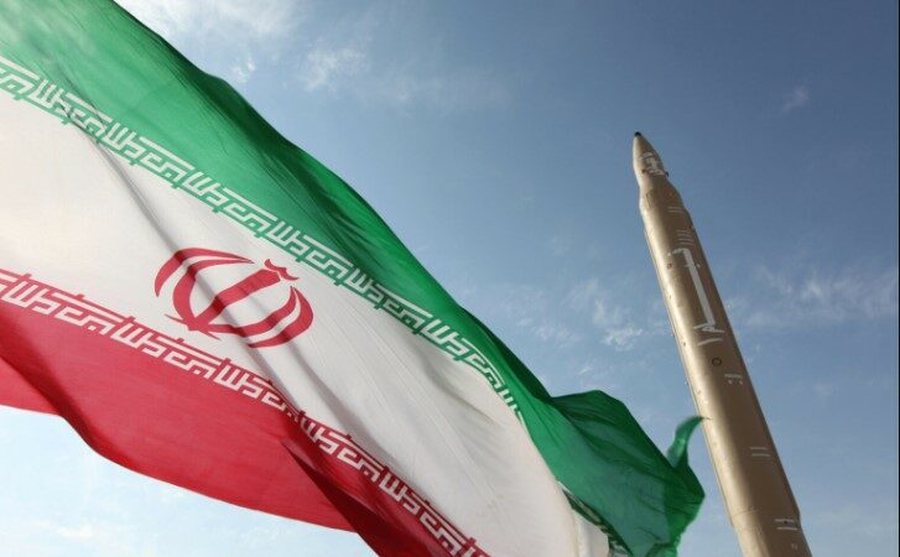
Gulf countries have warned the United States that Iran's missile program continues to pose a serious threat to regional security, despite the heavy blows Tehran suffered during the 12-day war with Israel in June, the Washington Post reported.
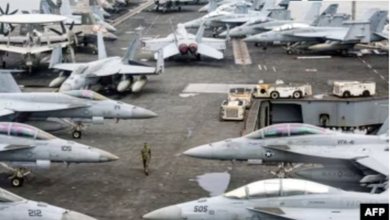
According to two Western officials briefed on the latest security assessments, Iran's key missile capabilities remain functional and in some cases have been restored, while the administration of President Donald Trump has increased the US military presence around Iran.
Missile capabilities still active
Iran's ability to mount effective counterattacks is considered a key factor in Washington's calculations. Although Israel struck important targets, analysis shows that its short-range missile arsenal and anti-ship systems have remained largely intact.
According to Gulf estimates, Iran still retains ammunition, missile launchers, and parts of the production system capable of striking US bases and strategic interests in the region, where over a dozen US military bases and tens of thousands of troops are located.
From symbolic attack to real danger
After the US strike on Iran's nuclear program in June, Tehran responded with a largely symbolic attack on the al-Udeid air base in Qatar, causing no casualties. However, Iran has made it clear to US allies in the region that in a new conflict, attacks would not be pre-emptive or limited.
Former Iranian diplomat Amir Mousavi stated that after the 12-day conflict, Iran has doubled missile production and advanced in repairing damaged launchers, some of which have been moved to mountainous areas to protect themselves from air strikes.
Air defense reserves at a disadvantage
According to David Des Roches, a former Pentagon official, Iran has the largest missile program in the region. “Iran has more missiles than the Gulf states have anti-aircraft missiles,” he points out, warning that the Gulf’s air defense systems could be overwhelmed in the event of a massive attack.
Disunity and fear of destabilization
Concern about this threat has led some Gulf countries to distance themselves from the US military mobilization. Saudi Arabia and the United Arab Emirates have declared that their territory and airspace will not be used for operations against Iran.
Meanwhile, following the violent suppression of protests, the Iranian leadership appears more united than ever. According to European sources, the regime in Tehran now sees a confrontation with the US as an existential threat.
Although some US allies in the region believe that the fall of the Iranian regime is only a matter of time, they warn that a violent overthrow prompted by American intervention could lead to even greater destabilization.
"They support change, but not in an immediate and violent way. They prefer a gradual and controlled weakening of the regime," a Western official emphasizes.