On Christmas Eve, Cardinal Pietro Parolin, the Vatican’s deputy pope and longtime top diplomatic negotiator for the Roman Catholic Church, urgently summoned Brian Burch, the U.S. ambassador to the Holy See, to demand clarification on U.S. plans in Venezuela, according to government documents obtained by The Washington Post.
“Would the U.S. only target drug traffickers?” he asked, or “was the Trump administration really seeking regime change?” Nicolás Maduro had to go, Parolin acknowledged, according to the documents, but he asked the U.S. to offer him a way out.
Parolin: Russia was ready to offer asylum to Maduro
For days, the powerful Italian cardinal had been trying to gain access to Secretary of State Marco Rubio, the documents show, in a desperate bid to prevent bloodshed and destabilization in Venezuela. In his call with Burch, a close Trump ally, Parolin said Russia was ready to offer Maduro asylum and pleaded with Americans to be patient in pushing him toward that solution.
“What was proposed to him was that he could leave and enjoy his money,” said a person familiar with the Russian proposal. “Part of that deal was that Vladimir Putin would guarantee his safety.”
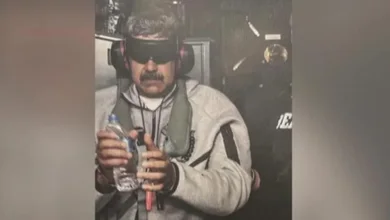
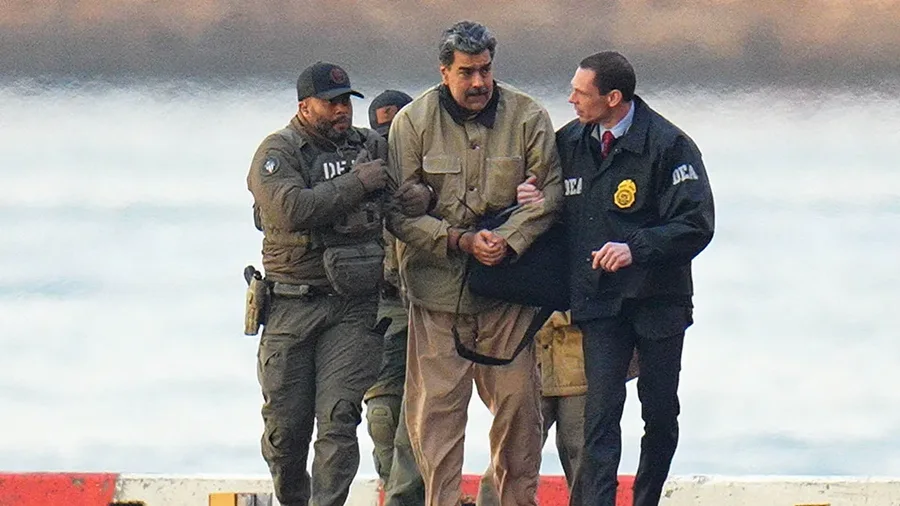
But that did not happen. A week later, Maduro and his wife were captured by U.S. Special Forces in an operation that cost the lives of about 75 people and flown to New York to face drug trafficking charges.
The previously unknown meeting at the Vatican was one of many failed attempts - by Americans and mediators, Russians, Turks, the Catholic Church and others - to avert a diplomatic crisis and find safe haven for Maduro ahead of the US operation to capture him on Saturday.
Vatican: Disappointed that parts of confidential conversation were published
“It is disappointing that parts of a confidential conversation have been published and do not accurately reflect the content of the discussion itself, which took place over the Christmas period,” the Vatican press office said in a statement to US media. Birch’s spokesman referred questions to the State Department, which declined to comment. Kremlin spokesman Dmitry Peskov did not respond to a request for comment.
Latest warning for Maduro
The report, based on interviews with nearly 20 people, many of whom spoke on condition of anonymity because of the sensitivity of the conversations and information, includes new details about the broad international effort to drive Maduro into exile and prevent a U.S. military intervention, as well as the Trump administration's decision to work with Venezuela's current vice president instead of the opposition leader whom Washington has supported for years.
The weeks and months leading up to that day were filled with missed opportunities for Maduro, a former bus driver and one of Latin America’s last “caudijos,” who seemed unaware of how precarious his position had become. Rejecting multiple possible “emergency exits” as U.S. warships began pounding vessels suspected of being involved in drug trafficking off Venezuela’s coast and American rhetoric hardened would ultimately seal his fate.
Efforts to secure a way out for Maduro continued until the last minute. He received a final warning just days before the U.S. operation to capture him, according to a person familiar with the proposal. But the autocratic leader refused to budge.
“He wouldn’t accept the deal,” said another person with knowledge of the matter. “He just sat there and watched others create a crisis,” he added.
Machado's challenge, Rodriguez's election and the role of the CIA
At the same time, the US was finalizing a plan for his successor, turning its attention to Maduro's No. 2, Vice President Delcy Rodriguez. It was a surprising shift for President Donald Trump, who during his first term had imposed sanctions on Rodriguez and her powerful brother, Jorge, whom Washington at the time considered members of the Maduro regime.