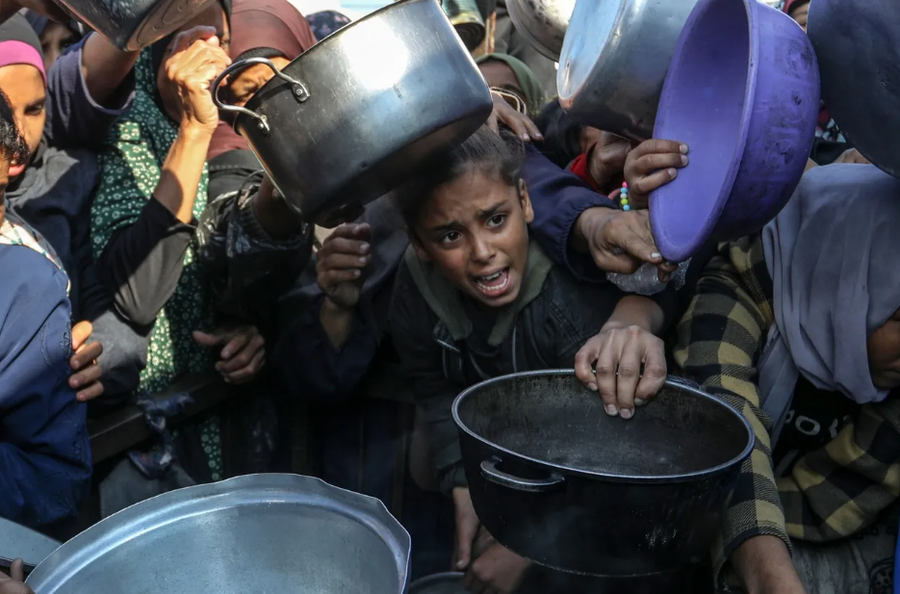
Hunger conditions in the Gaza Strip have temporarily improved following a reduction in attacks and improved access for humanitarian and commercial food distributions, but the overall situation remains critical, new findings released today by the Integrated Food Security Phase Classification (IPC) show.
Between October 16 and November 30, 2025, an estimated 1.6 million people, or 77 percent of the population surveyed, experienced high levels of acute food insecurity classified as IPC Phase 3 (Crisis) or worse, the analysis said. This included over half a million people in Emergency (IPC Phase 4) and over 100,000 people facing Disaster (IPC Phase 5), the most severe classification.
While recent developments amid the fragile ceasefire, including a proposed peace plan and improved food flows, have helped ease the most extreme conditions, the IPC warned that the outlook remains dire.
From 1 December to 15 April 2026, an estimated 1.6 million people are still expected to face crisis or worse levels of food insecurity. This includes an estimated 571,000 people in emergency conditions and an estimated 1,900 people in disaster, reflecting a reduction in the most extreme outcomes but not a return to stability.
"Under a worst-case scenario, which would include renewed hostilities and a halt to humanitarian and trade flows, the entire Gaza Strip is at risk of famine by mid-April 2026," the IPC warns.
The nutrition situation has shown improvement compared to previous analyses, but remains alarming. Nearly 101,000 children aged 6 to 59 months are expected to suffer from acute malnutrition across Gaza by mid-October 2026, including over 31,000 severe cases. During the same period, an estimated 37,000 pregnant and breastfeeding women are projected to experience acute malnutrition and require treatment.
The IPC said that sustained humanitarian access and stability are essential to prevent a renewed slide towards famine and further loss of life.