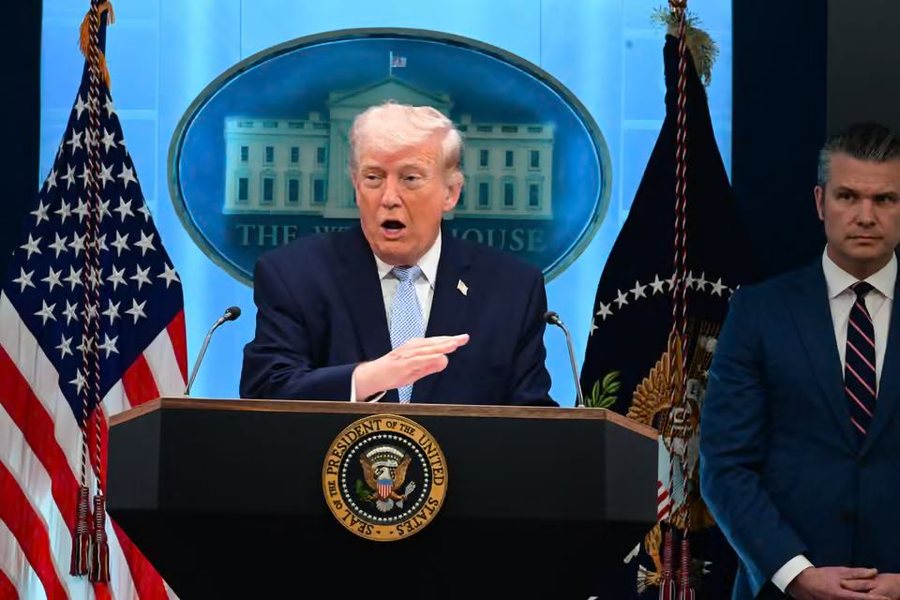
The United States and Iran have agreed to a two-week ceasefire, just an hour before an ultimatum set by Donald Trump to escalate attacks on Iran was due to expire. In exchange, Tehran agreed to temporarily reopen the Strait of Hormuz, one of the world's most important energy corridors.
The White House announced that Israel had also accepted the ceasefire. Trump said he had received a 10-point peace plan from Iran, which he called "a workable basis for negotiations."
What does Iran's 10-point plan contain?
According to Iranian state media, the war can only end if an agreement is reached on the basis of this plan. The main demands include:
• Lifting all primary and secondary sanctions against Iran.
• Continued Iranian control over the Strait of Hormuz.
• The withdrawal of American military forces from the Middle East.
• Cease attacks on Iran and its allies.
• Unblocking Iranian assets frozen abroad.
• A UN Security Council resolution to make the agreement binding.
The Persian version of the plan also includes Iran's acceptance of uranium enrichment as part of its nuclear program, a wording that is missing from the English versions distributed by Iranian diplomats.
What's happening with the Strait of Hormuz?
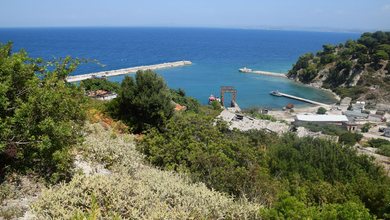
Iranian Foreign Minister Abbas Araghchi said safe passage through the strait would be allowed under the management of Iranian military forces. It is not clear whether this means Iran will loosen its control over the strategic sea route.
According to reports, the plan calls for Iran and Oman to impose a fee of up to $2 million on every ship passing through the strait, money that Tehran intends to use for the reconstruction of the country. If negotiations fail, Iran could try to close the maritime corridor again.
Will the US accept the plan?
Since negotiations over Iran's nuclear program began nearly a year ago, the two sides' widely divergent demands have prevented a long-term agreement.
Iran's demand for control of the Strait of Hormuz is seen as particularly problematic. Democratic US Senator Chris Murphy told CNN that a deal that would give Iran control of the waterway would be "catastrophic for the world."
Trump has not directly commented on Iran's demands, but has said the US will "help with the congestion in the Strait of Hormuz." Analysts believe Iran's demands are maximalist and more of a starting point for negotiations than a potential deal.
Is Israel part of the agreement?
Israeli Prime Minister Benjamin Netanyahu's office said Israel supports the US decision to suspend strikes on Iran for two weeks, but stressed that the ceasefire does not include Lebanon.
Israel demands that Iran immediately open the Strait of Hormuz and stop attacks on the US, Israel and countries in the region. Meanwhile, the Israeli offensive in Lebanon has killed at least 1,500 people and displaced about 1.2 million residents, after the conflict escalated when the Hezbollah group fired rockets into Israel in support of Iran.
What is expected to happen now?
Pakistani Prime Minister Shehbaz Sharif, who brokered the ceasefire, has invited US and Iranian delegations for talks in Islamabad on Friday.
Tehran has confirmed that it will participate in the negotiations, while the White House said it is considering the possibility of direct meetings, but they have not yet been finalized.
How was the ceasefire achieved?
Shortly before Trump's ultimatum for new attacks on Iran expired, Pakistan requested a two-week extension of the deadline to allow diplomacy and called on Iran to temporarily open the Strait of Hormuz.
China, Iran's largest trading partner, has also been pressuring Tehran to find a path toward a ceasefire. Trump said he believes China has helped bring Iran to the negotiating table.
Meanwhile, with the US midterm elections approaching, polls show that most Americans oppose the war and are concerned about rising fuel prices, factors that have also contributed to the pressure for a diplomatic solution to the crisis.