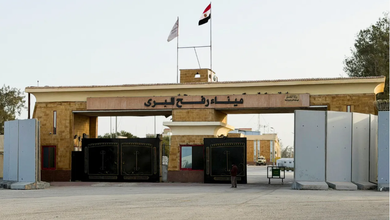
US President Donald Trump's peace plan to end the conflict in Gaza enters its second phase today, with the reopening of the Rafah border crossing with Egypt. However, several key issues remain unresolved, notably the disarmament of Hamas, which carries the risk of escalating violence.
In September, Trump presented a 20-point plan, which called for a ceasefire, the disarmament of Hamas, the withdrawal of Israeli forces, and the reconstruction of Gaza under international supervision. The first phase of the plan included a cessation of hostilities, the release of hostages, a partial withdrawal of Israeli forces, increased humanitarian aid, and the reopening of the Rafah border crossing.
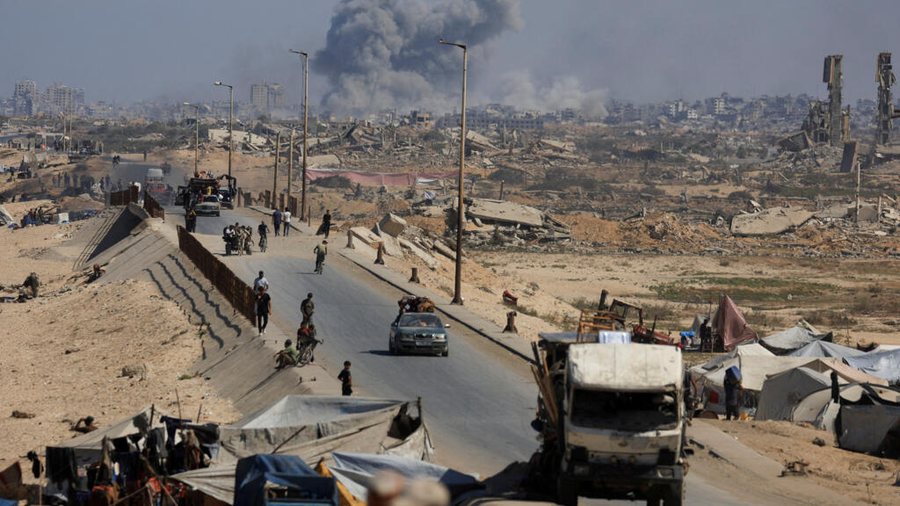
Although the ceasefire came into effect on October 10, fighting has not completely stopped. Palestinian health authorities report more than 488 casualties from Israeli fire since then, while Israel has lost four soldiers. Israeli forces still control more than 53% of the Gaza Strip, where more than two million people live in destroyed buildings or makeshift camps.
The second phase envisages the complete disarmament of Hamas and the creation of a Palestinian administration overseen by an International Peace Council, under the leadership of Trump. However, Hamas still has thousands of weapons and rockets, and Israel does not accept the inclusion of part of the Palestinian security forces in the administration.
Challenges remain over the composition of the international stabilization force and the framework for rebuilding Gaza, including the $25 billion “New Gaza” project, which has not provided details on compensation and housing for displaced people. In this climate, diplomats and residents express doubts that Trump’s plan can be fully implemented, leaving open the risk of an escalation of hostilities, even at a lower intensity.