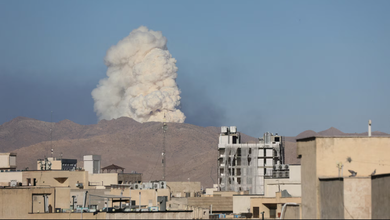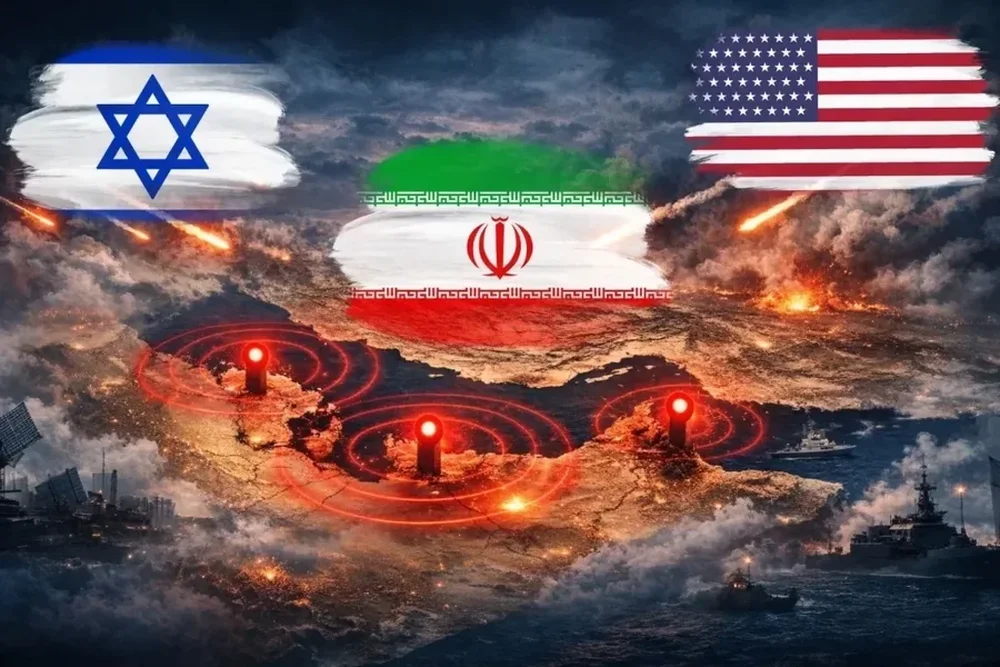
The Middle East war is escalating, with tensions between Iran, Israel and the United States rising sharply in recent hours. The sides have exchanged fresh waves of attacks, raising fears of a wider conflict in the region. According to official reports, Iran's Islamic Revolutionary Guard Corps has issued a direct threat to Israeli Prime Minister Benjamin Netanyahu, declaring through state media that they will continue to "hunt and kill him."
At the same time, Iranian authorities have launched a wide-ranging security operation inside the country. According to local media reports, 20 people have been arrested in the northern city of Urmia on suspicion of sending sensitive information about the locations of military, police and security facilities to Israel.
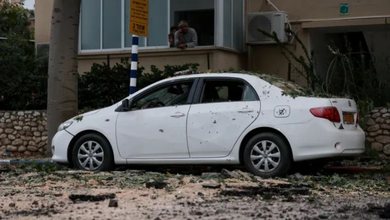
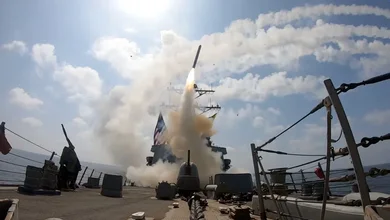
Meanwhile, the Israel Defense Forces, known as the Israel Defense Forces (IDF), announced that they had launched a broad wave of attacks on Iranian targets in western Iran. In response to these attacks, Tehran has launched retaliatory drone attacks on Israeli territory.
In other developments, Iranian Foreign Minister Abbas Araghchi has dismissed reports that Iran's new leader, Mojtaba Khamenei, has been injured. He said he is in "full health" and "is in full control of the war situation."
Meanwhile, the United States Embassy in Iraq has issued an urgent warning to American citizens in the region, urging them to immediately leave several areas of the Middle East due to the risk of escalating conflict.
International analysts emphasize that for Iran this conflict is directly related to the survival of the regime. According to analyses published by the BBC, Tehran has two main advantages in this confrontation: strategic geography and the stability of its state structures. Experts warn that assessing the conflict solely on the basis of targets hit or commanders killed may be wrong, since for Iran this is an existential conflict.