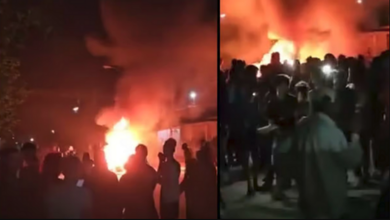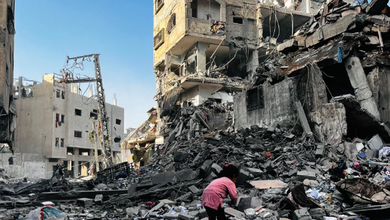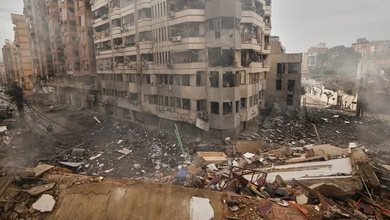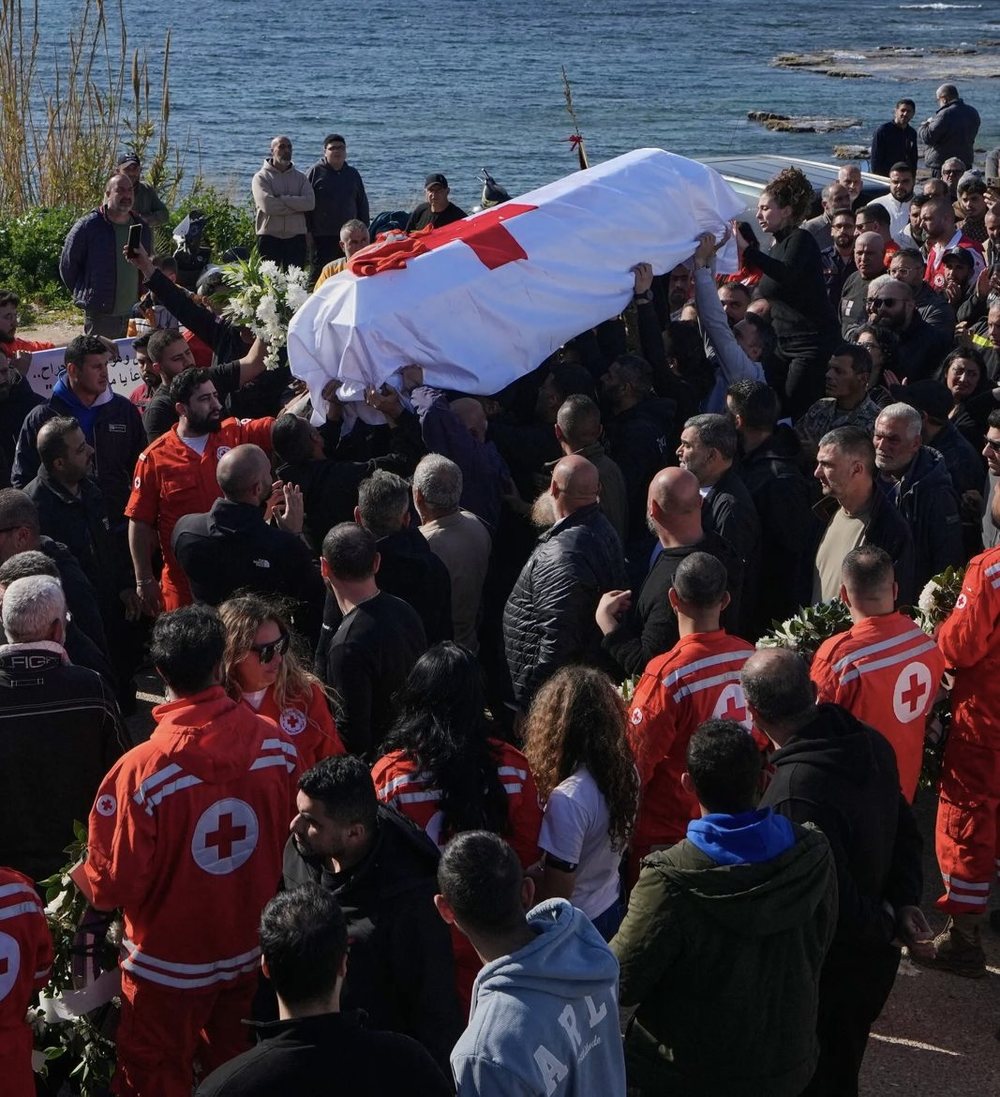
In Lebanon, the war is not just taking place on the streets, but also in hospitals and clinics. Health workers have been killed while treating patients or trying to help the wounded, highlighting the heavy human cost of the ongoing attacks.
According to Lebanon's Health Ministry, Israeli airstrikes have killed at least 31 health professionals and wounded 51 others since March 2. Authorities also say Israel has carried out at least 37 attacks on emergency medical workers.
The Director-General of the World Health Organization, Tedros Adhanom Ghebreyesus, condemned the attacks on health personnel, calling them a "tragic development in the escalating crisis in the Middle East."
The death toll also shows the intensity of the conflict and the pressure on Lebanon's health system, which is struggling to treat more than 2,000 wounded civilians, while 826 people have been killed since the violence began.
The consequences of the war were clearly visible on Friday evening, when an Israeli airstrike hit a health center in Borj Qalaouiyeh, in southern Lebanon. According to the Ministry of Health, almost the entire medical staff – including doctors, nurses and paramedics – were killed. Only one employee survived with serious injuries, while 12 people were killed and four others are missing.
Lebanese authorities described the attack as "criminal behavior," accusing Israel of widespread attacks on medical personnel and facilities, including ambulances assisting the wounded on the front lines.
This week, the Lebanese Red Cross also announced that one of its volunteers, Youssef Assaf, died from wounds he received while helping victims of an airstrike in the south of the country.
For its part, the Israeli military stated that it is aware of reports of the attack in Borj Qalaouiyeh and that the incident is being reviewed.
Israel says it is targeting Hezbollah positions, targeting infrastructure and facilities used for attacks against Israel. The Iran-backed group had been launching rockets at Israel shortly after the US and Israel began strikes on Iran on February 28.
Israeli military spokesman Avichay Adraee accused Hezbollah of "extensive military use of ambulances and medical facilities," although he did not provide concrete details or evidence whether the hit health center was used by the group.
A senior Hezbollah official told the New York Times that these accusations are false and intended to justify the attacks.
Health workers and institutions in Lebanon have been targeted before. During the 2024 conflict, dozens of rescue workers were killed and hundreds of ambulances and health facilities were damaged.
“Attacks on ambulances, primary care centers, and medical personnel are extremely alarming,” said Ramzi Kaiss, Lebanon researcher at Human Rights Watch. “Under the laws of war, doctors, nurses, and paramedics are protected under all circumstances and should never be targeted.”