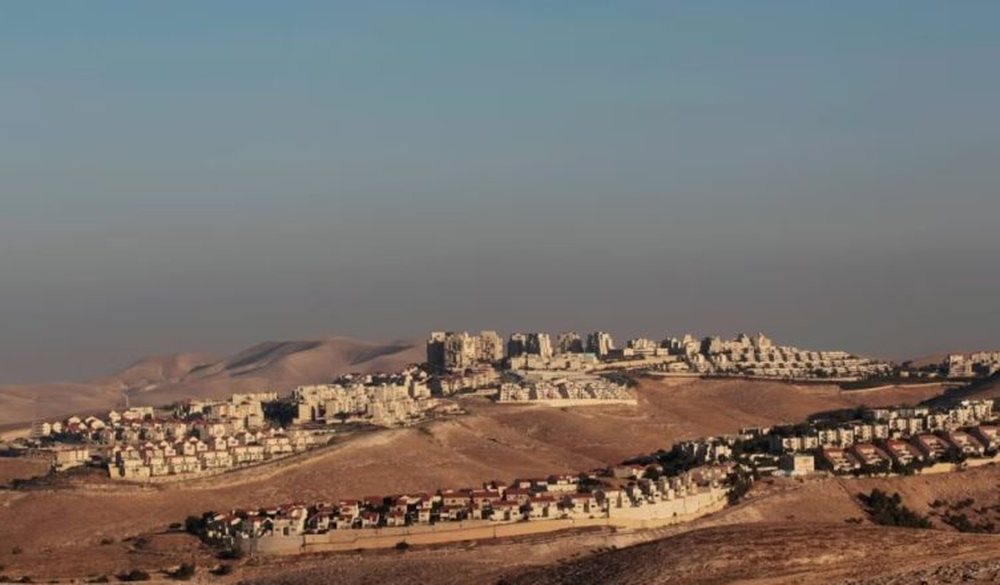
Israel's security cabinet has approved the recognition of 19 new settlements in the occupied West Bank, as the government continues its policy of settlement expansion.
Far-right Finance Minister Bezalel Smotrich, himself a settler, proposed the measure along with Defense Minister Israel Katz, stating that the decision aims to prevent the creation of a Palestinian state.
Israeli settlements in the occupied West Bank are considered illegal under international law. Saudi Arabia has condemned the move, while UN Secretary-General Antonio Guterres has said that Israel's "unrelenting" settlement expansion increases tensions, restricts Palestinian access to land and threatens the existence of a sovereign Palestinian state.
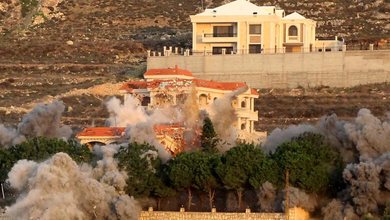
Violence in the occupied West Bank has increased since the start of the Gaza war in October 2023, raising fears that settlement expansion could strengthen the Israeli occupation and undermine the two-state solution.
The two-state solution envisions the creation of a Palestinian state in the West Bank and the Gaza Strip, with East Jerusalem as its capital, generally according to the borders that existed before the 1967 Arab-Israeli war. The current Israeli government, since taking office in 2022, has significantly increased the approval of new settlements and has begun the process of legalizing unauthorized settlements, recognizing them as "neighborhoods" of existing settlements.
The approvals come just days after the United Nations reported that settlement expansion had reached its highest level since 2017. The latest decisions include the resettlement of two settlements — Ganim and Kadim — which were demolished about 20 years ago. In May, Israel approved 22 new settlements in the occupied West Bank, the largest expansion in decades.
The Israeli government also approved plans in August to build more than 3,000 homes in the project called E1, between Jerusalem and the Maale Adumim settlement, which had been frozen for decades due to strong international opposition. Smotrich declared at the time that the plan would “bury the idea of a Palestinian state.”
About 700,000 people live in about 160 settlements in the West Bank and East Jerusalem, according to the Israeli anti-settlement group Peace Now. These are lands that the Palestinians are targeting for a future independent state.
The settlement expansion has angered Arab countries, which have repeatedly said it weakens prospects for a two-state solution and raises concerns about the possibility of annexing the occupied West Bank. US President Donald Trump has warned Israel against such a move, telling TIME magazine that Israel would lose all US support if it did.
In September, the United Kingdom — along with other countries such as Australia and Canada — recognized a Palestinian state, a symbolic but significant shift in government policy. Israel opposed the move, with Prime Minister Benjamin Netanyahu declaring that a Palestinian state “will not happen.”