Doctors in the US are expressing concern about a growing trend: more and more parents are refusing not only vaccines, but also other common preventive treatments for newborns.
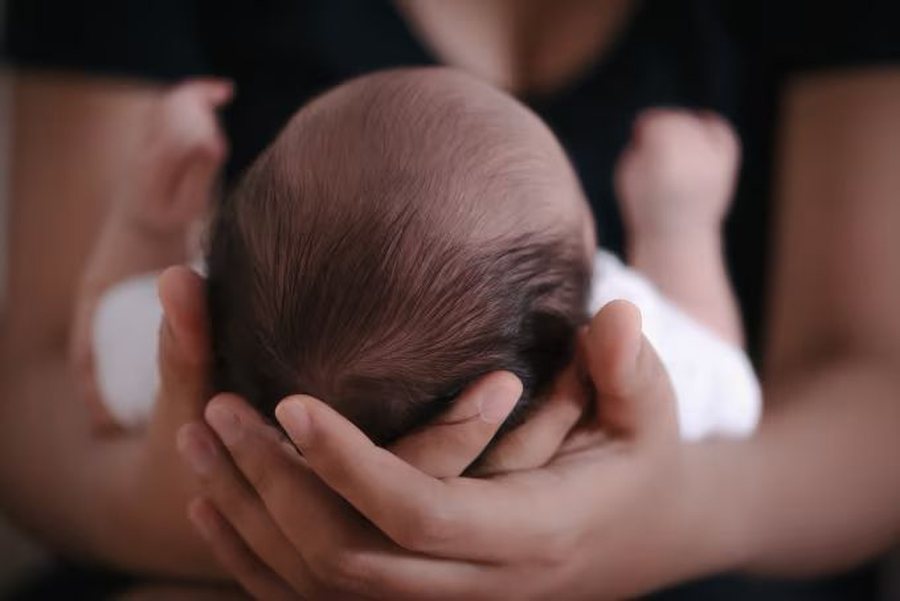
Pediatricians report that some parents are refusing the vitamin K injection, a standard procedure given to infants for decades to prevent potentially fatal bleeding. In some hospitals, doctors say, a significant number of parents are not allowing their children to receive the injection.
A study published in the Journal of the American Medical Association that analyzed over 5 million births in the US found that refusal of the vitamin K injection has increased significantly, going from 2.9% in 2017 to 5.2% in 2024.
According to experts, parents who refuse vitamin K are much more likely to also refuse the hepatitis B vaccine for newborns, as well as the eye ointment used to prevent serious infections that can cause blindness.
Doctors say this trend is related to growing distrust of science and the healthcare system, as well as the spread of false information on social media.
Babies are born with very low levels of vitamin K and can't produce enough of it until about six months of age. Without this vitamin, they are at risk of dangerous bleeding, including in the brain. Studies show that newborns who don't get vitamin K injections are 81 times more likely to develop severe bleeding.
Before this injection became routine practice, about 1 in 60 babies suffered from bleeding due to vitamin K deficiency.
Doctors warn that refusing preventive treatments can have serious consequences for the health of babies. They point out that most parents want the best for their children, but are often influenced by conflicting or inaccurate information.
Pediatricians say the best way to deal with this situation is through calm communication and clarification of the risks and benefits, in the hope of convincing parents to choose treatments that could save the babies' lives.