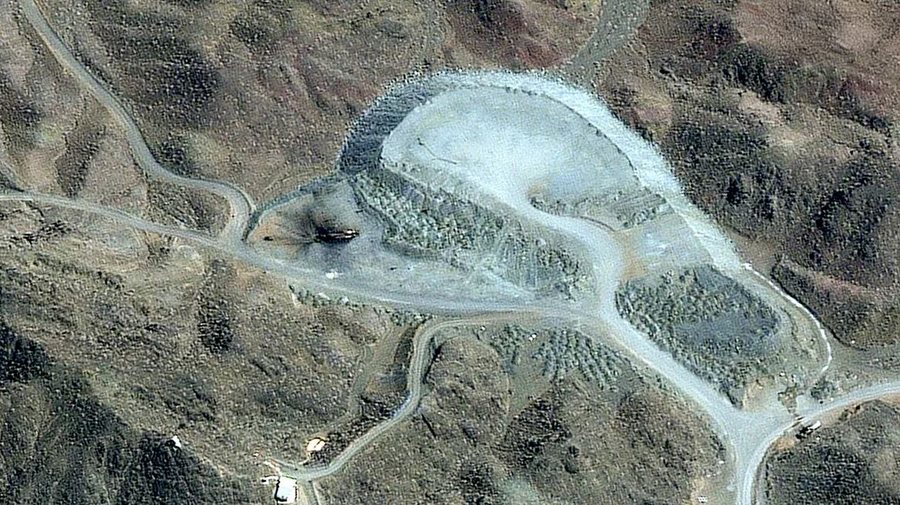
Dismantling Iran's deepest nuclear bunker could be the key to ending the war, but analysts warn that its complete destruction could require sending special forces into the Islamic Republic.
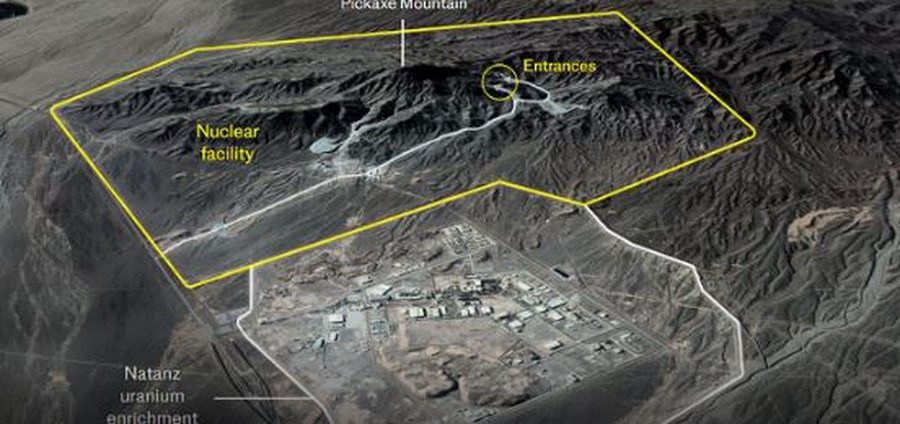
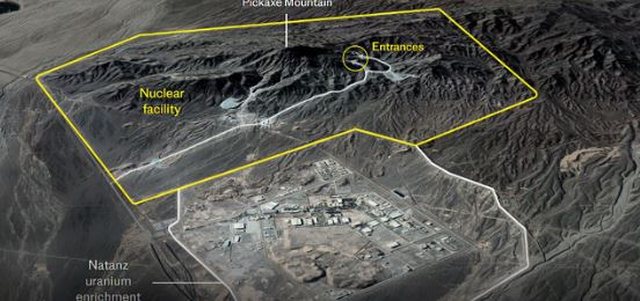
According to Western intelligence sources, the facility, codenamed "Pickaxe Mountain," is located near Natanz and more than 100 meters below a rocky mountain.
This depth is even greater than the uranium enrichment facility at Fordow, which the United States struck last summer.
Despite US and Israeli airstrikes during the “12-Day War” last summer, Tehran has managed to refortify its bases. Donald Trump has made it clear that preventing Iran from developing nuclear weapons remains a top priority, as it currently has more than 400 kilograms of 60% enriched uranium.
This is enough, with minimal further processing, to make at least 11 nuclear bombs.
Fortified targets and diplomatic blockade
The nuclear material is believed to be spread between Fordow and the complex in Isfahan.
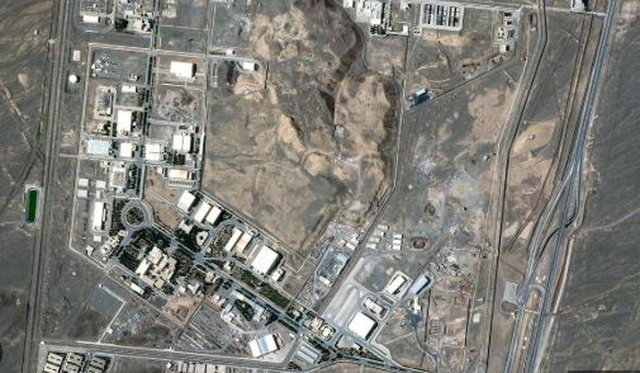
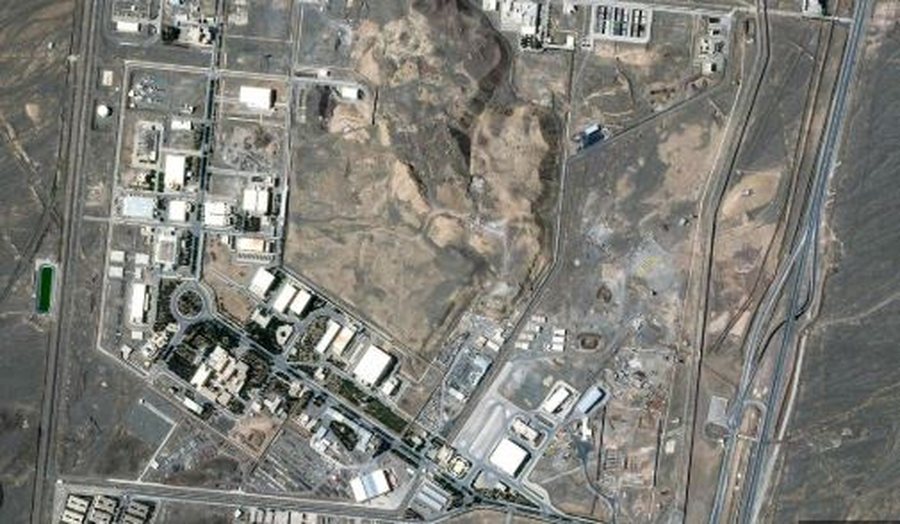
At the same time, the think tank Foundation for Defense of Democracies (FDD) reports that a new enrichment plant has been under construction since 2020 at “Pickaxe Mountain,” just a mile from the Natanz facility.
An indicator of secrecy is the incident with Rafael Grossi, Director General of the International Atomic Energy Agency (IAEA), to whom Iranian authorities replied that "it does not concern him", when he requested information regarding the work in this country.
Possibility of a ground operation
Andrea Stricker, deputy director of the FDD's nuclear nonproliferation program, argues in the New York Post that the war cannot be considered successful without securing the location on "Mount Kazma."
"They need to neutralize the stronghold and seize or eliminate the highly enriched uranium stockpile before major combat operations are completed," Stricker warns.
With Iran's nuclear program proving remarkably resilient to air strikes, sending in ground forces seems like the only final solution. Trump, while avoiding sending troops immediately, has left the option open for the future:
"At some point we can do it. We haven't done it now, we can do it later," he told reporters last weekend.
The latest attack on the Taleghan facility last Thursday could signal a new phase of operations.
Annika Ganzeveld of the American Enterprise Institute noted that with Iranian defense systems and launchers severely damaged, the way is open for the US and Israel to directly target the core of Tehran's nuclear program.