

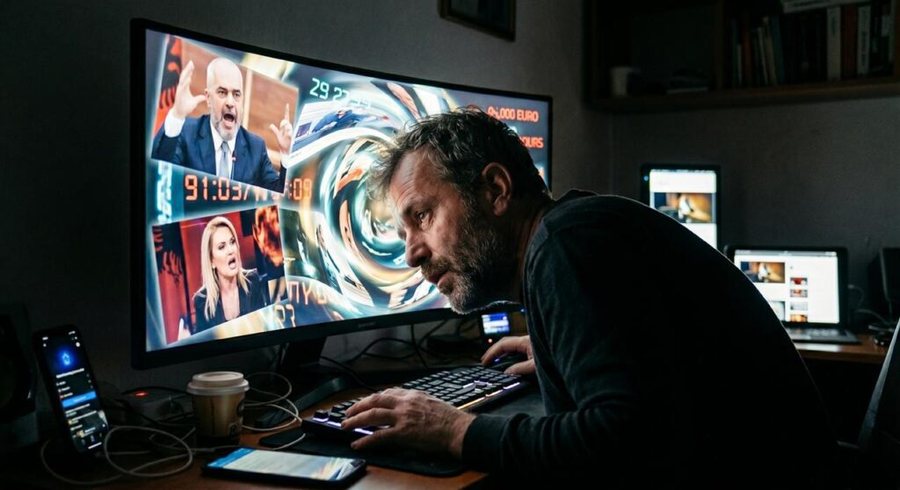
Nëse do të kërkonim mjetet ku konsumohet koha më e madhe në Shqipëri, ato ekzistojnë në çdo shtëpi dhe në çdo xhep. Nëse vëmendja do të ishte një resurs natyror, Shqipëria do të ishte një nga eksportuesit më të mëdhenj të kohës njerëzore dhe të vëmendjes drejt ekraneve, por pa marrë asnjë fitim mbrapsht.
Duke u bazuar në të dhënat, rezulton se çdo 24 orë, makineria mediatike përmes televizioneve tradicionale dhe rrjeteve sociale u merr shqiptarëve afro 6.3 milionë orë kohë, mesatarisht rreth 3.5 orë për çdo të rritur për kategoritë kryesore “të zhurmës” mediatike e sociale.
Nuk bëhet fjalë thjesht për një treg mediatik e social të mbingopur, por për një kosto kohore, e meqë në ekonominë e tregut koha është para, këto vlera janë të konsiderueshme. Është krijuar një mekanizëm ku pothuaj e gjithë vëmendja e një kombi përqendrohet e kushtëzuar, duke lënë pas një deficit të madh kohor, dijesh, ekonomik, e produktiv.
Për ta vënë këtë kosto në perspektivë: i gjithë sektori formal privat në Shqipëri, rreth 550,000 të punësuar duke punuar 8 orë në ditë, prodhojnë 4.4 milionë orë punë. Kjo shifër e krahasuar me atë më sipër na tregon se vëmendja ndaj ekranit të madh dhe atij të vogël konsumon më shumë kohë dhe energji sesa ajo që mban në këmbë të gjithë ekonominë reale të vendit.
Për të kuptuar përmasat reale të kësaj, duhet të bëjmë një ndarje mes konsumit dhe ekspozimit. Konsumi është koha aktive, në fakt pasive, për ato minuta dhe orë që qytetari ulet para ekranit për të ndjekur një emision apo duke parë ekranin e celularit. Ekspozimi, nga ana tjetër, është i kudogjendur dhe i pavullnetshëm, ai mat sa herë individi “goditet” nga informacione specifike përmes ekraneve, si në televizor dhe në “telefon”.
Në konsum kemi një “yll me pesë cepa” i cili e mban shoqërinë pezull:
Politika (ose stresi kronik): rreth 2.1 milionë orë-njeri në ditë. Një zhurmë panelesh që monopolizon vëmendjen duke mbajtur të gjallë dhe të fortë polarizimin për shikueshmëri.
Reality Show (dallgë sezonale): rreth 2.2 milionë orë në ditë gjatë sezonit, duke ofruar një shkëputje nga realiteti dhe një “arratisje” drejt një drame artificiale që zëvendëson angazhimin qytetar.
Investigimi i krimit (kurioziteti i errët): Mbi 2.5 milionë orë në javë. Rindërtime të kronikës së zezë në emisione të ndryshme dhe intervista që ushqejnë kuriozitetin morbid për detajet e dosjeve kriminale, duke mbledhur qindra mijëra shikues në kohët e transmetimit.
Telenovelat (anestezia): Mbi 1.5 milionë orë në ditë. Me transmetime të përditshme maratonë pothuajse në çdo kanal televiziv, ato ofrojnë një strukturë arratisjeje, ku e mira fiton gjithmonë në fund, e një ngushëllim emocional.
Pseudo-science, linguistics, history, etc. as alternative narratives: about 275,000 hours per day. Massively amplified by social media algorithms, but also fueled by television time and interviews. This flow generates high interest through scientifically unconfirmed theses that produce ready-made national pride, avoiding the need for real education and research.
Having seen consumption, let's look at exposure glut. In an average 24-hour cycle, the media machine produces thousands of mentions of political leaders' names, such as Rama, who appears nearly 1,200 times; Berisha's about 900 times, and references to the past, such as Hoxha, about 120 times.
If we translate this flow to the level of an individual, an average Albanian hears or sees the name of political leaders highlighted about 120 times every day—not because they watch TV for 12 hours, but because the information follows them everywhere. For younger age groups, but not only, algorithms add to this flow also viral characters of the season like Luizi or Moza, who appear on screens about 80 to 100 times a day.
By comparison, this “maximum saturation” model is a well-known feature of the region and Eastern Europe. Similar to Albania, in Serbia, Vučić’s name or in Hungary, where Orbán’s completely dominated the state and private space, citizens are exposed to it over 100-150 times a day.
This is in stark contrast to established Western democracies like Germany or the United Kingdom, where the average citizen hears Chancellor Merz or Prime Minister Starmer mentioned only 10 to 15 times a day. The global exception remains Donald Trump in the USA with 250-350 mentions or exposure per day, as a global political pop-culture phenomenon.
In the marketing of manufacturing and commercial corporations, if giants like Coca-Cola or Apple manage to expose the viewer to their brand 5 times a day, they are considered to have achieved “total market dominance.” The names of Albanian politicians manage to appear over 100 times a day.
An ordinary Albanian is exposed to and hears the names of politicians dozens of times a day, and these dozens of times more than he himself uses everyday words like "good morning" or "thank you", and thousands of times more often in total than he hears economic terms like "inflation" or "industrialization".
The consequences and figures of consumption and exposure are such that they go from sociological to alarming. Albanians dedicate over 2.3 billion hours per year to screens for the 5 categories of "media star", a figure that equates to approximately 262,000 full years of human life.
If we isolate only the direct consumption of politics, crossing media figures with the adult population, around 1.8 million inhabitants, we can observe that:
Individual cost and European contrast, an Albanian adult spends an average of 425 hours per year passively consuming politics, about 70 minutes per day. This is the equivalent of 53 full working days, of 8 hours each day. To highlight this anomaly, European studies show that a citizen in Germany or the United Kingdom spends on average less than 15 minutes per day exposed to strictly political news, including the total time on traditional and social media.
The weight of two decades, massively influenced by the entry of smartphones and social networks, in the last 20 years Albanian society has passively spent a full 9.1 billion human hours in the face of political noise. This is enough time to carry out major infrastructure or engineering projects: we could have built the pyramids of Egypt from scratch, or gone to the moon like NASA, or we could have rebuilt all the bunkers and industrial works from scratch, for the nostalgic.
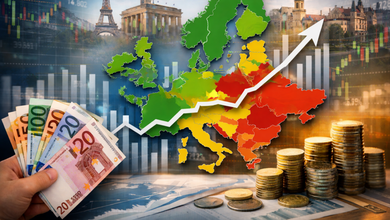
The financial cost, with a value close to the minimum wage of 2 euros/hour, the cost of attention for politics alone reaches 4.2 million euros per day or over 1.5 billion euros per year. When calculating the total consumption of screens for the above categories, it comes out to about 6.3 million hours per day and the global value of the attention spent exceeds 4.6 billion euros per year. This time potential is equal to about two-thirds or about 65% of the entire annual budget of the Albanian state.
To keep this industry afloat, the media system relies on two main mechanisms. The first is the paradox of the “universal expert.” To fill broadcast hours with minimal production costs, the screens use the same individuals to discuss geopolitics, economics, social issues, and everything else. This format provides quick, basic information to a wide audience, while keeping production costs low for the media.
The second mechanism is the interaction between the television and the smartphone. Traditional formats on the big screen are supplemented by a multitude of digital platforms. Fragments of debates or shows are cut off and turned into short clips or shorts, optimized for a short attention span, especially in those parts where there are debates and arguments. The vertical screen, on the other hand, encourages an impulsive and momentary reaction, limiting the time and space for in-depth and critical analysis.
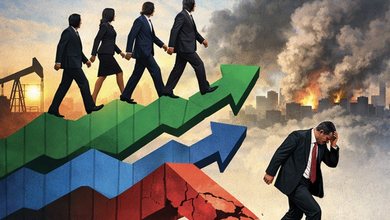
The real cost of this five-cornered noise seems to be the noise of the discussion of the transition to a high value-added economy. While millions of hours a day are spent on debates and entertainment formats, public attention remains mostly on an economic model that is rapidly reaching its limits, tourism and construction.
Despite the growth in numbers, construction and tourism have entered a phase of diminishing returns. Housing prices have increased and even doubled, but a large part of the capital is now locked up in inactive assets, producing “dead capital”. Tourism, despite the volume of visitors, is highlighting infrastructural challenges and offers limited added value for the ordinary Albanian.
The new potential lies in the post-oil economy. Many critical minerals still lie dormant in our subsoil. Resources that have already been strategically revalued by the EU await new engineers and policies, not panel analysts. In the new industrial age, these elements are the basis of electrification and advanced technology.
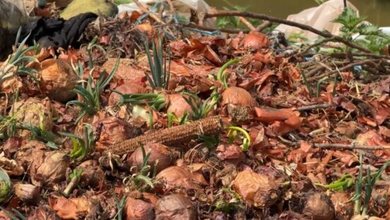
On land, food production and agriculture remain underdeveloped. Food security needs to be increased to have a sustainable basis for self-sufficiency, and production standards need to be raised towards European standards. Without the current massive food imports, the country could face a food and social crisis if they are interrupted or become too expensive for one reason or another.
These mineral resources, still not fully exploited, and necessarily linked to their fullest processing, and the needs for food and security, all the more so because they are already European strategic priorities, require new, maximum attention. They expect the public focus to shift from the incessant media flow of "the drama of the season or the debate of the moment" towards economics, engineering, agronomy, and artificial intelligence (AI), to create a new and sustainable model of industrial, technological, agricultural, and social development that does not depend on noise./Monitor.al/