


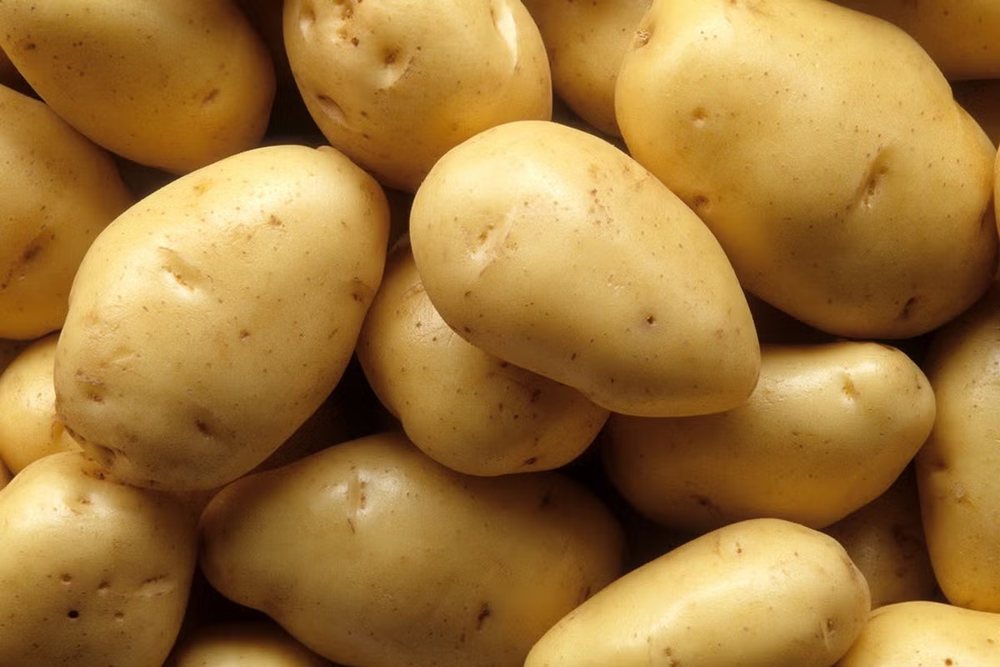
Albanians are consuming high-quality potatoes at low prices, a phenomenon that has gone unnoticed for years. Currently, in the retail markets in the capital, you can find high-quality potatoes at a price of 60 lek per kilogram. A year ago, at this time, it was more than 100 lek.
Even according to INSTAT measurements, the average price of a kilogram of potatoes in February 2026 was 77.9 lek per kg or 22% less than the same period a year earlier.
This change in the potato market in our country is coming from the increase in imports of the "Edible Vegetables and Related Roots and Tubers" group from Germany, which is dictating consumer prices and putting domestic production in difficulty.
Market sources claimed that the increase in vegetable imports from Germany is being dictated by potatoes. According to official INSTAT data, during the first two months of 2026, the amount of imported potatoes has increased by 65.5%, reaching over 5 million kilograms, compared to the same period in 2025.
This influx at an import price of only 49.91 lek per kilogram has created tremendous downward pressure on market prices.
These developments have eased household budgets, but domestic production is being competed with by imports.
Official data shows that as the total value of imports has increased, the unit price of German potatoes has systematically fallen from 67.79 lek in 2024 to below 50 lek in 2026, making domestic production almost unable to compete in terms of cost.
According to FAOSTAT data, an Albanian consumes an average of about 52 kg of potatoes per year. Although this figure is lower than the European Union average, which exceeds 80 kg, potatoes remain a basic element of the basket.
German media reports that there was an overproduction this season. According to data, potato production in Germany for 2025 reached about 13.9 million tons, an increase of 9% compared to 2024.
This is considered one of the highest levels of production in the last 25 years. The yield has been exceptionally high, at around 46 tons per hectare, thanks to near-perfect climatic conditions with rains and a warm climate.
The surplus is so large that in some regions of Germany and neighboring countries Belgium and the Netherlands, open market prices have fallen to drastic levels. In early 2026, it was reported that German farmers had about 1 million tons of excess potatoes in storage with no secure buyers.
In some cases, the cost of keeping them refrigerated was higher than the sale value, forcing farmers to distribute them for free to charity or use them for animal feed and bio-energy or export them cheaply.
German traders prefer to sell them at a minimum price rather than let them rot or pay disposal costs. Currently, the pressure has increased as the new planting season approaches and warehouses must be emptied at all costs.
This has made the flow of German potatoes to the Balkans and Albania higher than ever, creating strong competition with our domestic production, which is suffering from higher production costs and the lack of similar subsidies./ Monitor