


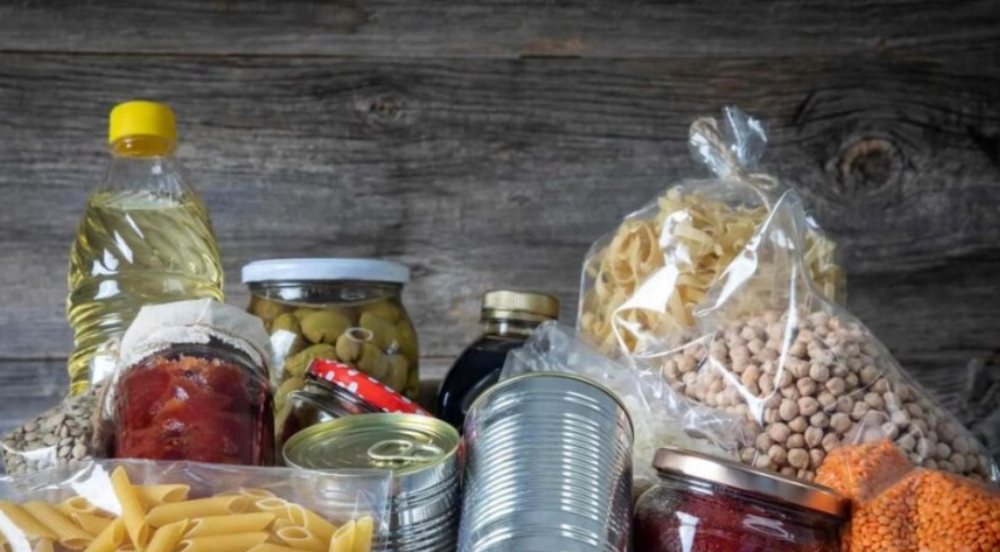
Imported food imports have been steadily declining in the last three years, but this contraction is not being reflected in retail markets, when the same items are increasing for the same comparison period.
According to data processed by Customs, one kilogram from the "Food and alcoholic beverages" group cost 116.7 lek in the third quarter of 2025. This value was 0.7 percent lower than in the same period of 2024 and 8% less than in the first quarter of 2024.
Data on food imports show an increase in quantities in the last two years, but also a decrease in value per kilogram. The increase in foreign visitors has created higher demand, while the lack of domestic production is also being replaced.
On the other hand, in retail markets, food prices, including imported ones, have increased by about 3% this year, slightly more than overall inflation.
While importers are buying cheaper due to more abundant supply or fluctuations in international markets, domestic traders do not pass this discount on to the consumer.
Trade margins in the field of trade are high due to high concentration, which gives large companies more power to maintain high prices even when the cost of supply has fallen.
In recent years, domestic costs have increased, driven by higher wages and transportation costs, which are offsetting some of the decline in import prices.
Meanwhile, Albania, as a developing country, has a late reaction to changes in international markets, even for food.
There is still a practice that during periods of peak consumption, such as the tourist season or the end of the year, prices often increase due to strong demand, even though imports may be cheaper.
For the first time in 2024, food prices in Albania are 1% more expensive than the European Union average, at a time when incomes according to the purchasing power parity method are 41% of the EU average.
From 2005 to 2018, food prices in Albania were on average 68-78% of the EU average. From 2018, they began to rise, while in 2023, prices in Albania were on average only 7% cheaper than the EU average. While in 2024, prices were equal for the first time, even slightly exceeding it by 1%.
The most expensive food products for Albanian families compared to the EU are eggs, cheese and milk, which have jumped to 131% of the EU average, from 119.5% the previous year. Other foods are also about 25% more expensive than in the EU (124.8%). Non-alcoholic beverages are 19% more expensive than in Europe. Albanians buy cigarettes cheaper, which cost 47% of the European average./Monitor