


The number of chronically ill people in Albania is increasing year by year, but at the same time, a dangerous paradox is occurring: the medicines reimbursed by the state are decreasing, while the financial burden on patients is becoming increasingly heavier.
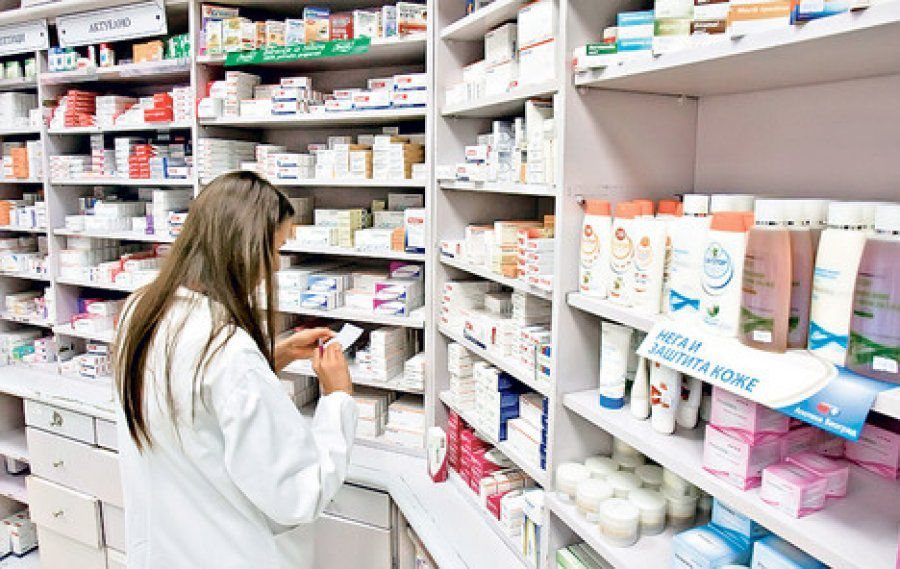
Official data shows that in 2024 alone, around 223,000 fewer drugs were reimbursed compared to the previous year. The main reason is related to the removal from the reimbursement list of some expensive drugs, which are used to treat cardiovascular diseases, one of the most widespread health problems in the country.
In total, over 1 million prescriptions were issued during 2024, specifically 1,005,417 prescriptions. But here too, the figures speak of a real contraction of state support: the average reimbursement value per prescription has fallen to 3,841 lek, from 4,108 lek per prescription in 2023.
While the Ministry of Health declares that the lists of reimbursed drugs have expanded, data emerging from the actual circulation of prescriptions in the pharmaceutical market show another picture: the number of sick people is increasing, the costs of medications are increasing, while reimbursement coverage is becoming increasingly symbolic.
In practice, for thousands of chronic patients, reimbursement covers only a minimal part of the treatment, often almost negligible. The difference is paid out of citizens' pockets, turning the disease not only into a health battle, but also into a heavy economic burden.
In a country where the population is aging and chronic diseases are on the rise, the "de facto" shrinkage of reimbursed medicines is creating an ever-deepening gap between the real need for treatment and the support provided by the state.