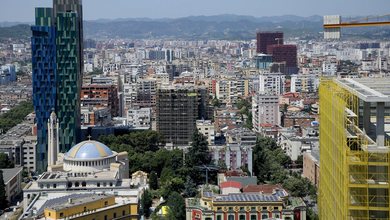



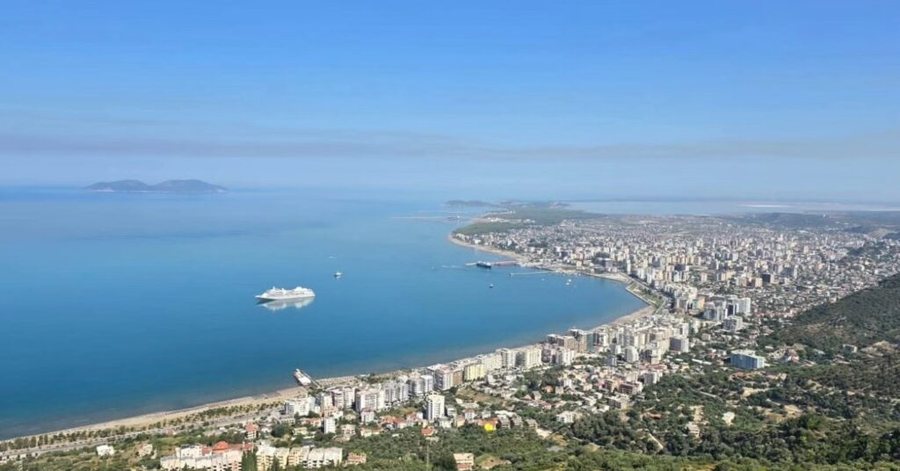
Tourism is Albania's golden opportunity, the fruits of which the economy has been reaping for several years with a chain effect on other related industries, but at the same time this sector is also its weak point.
The World Bank, in its latest report on the Western Balkans, “Adapting to Shocks, Unlocking Untapped Potential,” also analyzes Albania, starting with tourism. It is precisely given this dependence on tourism that the World Bank highlights the need for the economy to diversify further.
“Albania’s post-pandemic recovery has been supported by tourism and stronger trade and services ties with the EU, helping growth reach around 4.2 percent over the period 2022–2025. Tourism remains an important contributor to growth, strengthening economic performance but also increasing exposure to external shocks and highlighting the need for diversification.
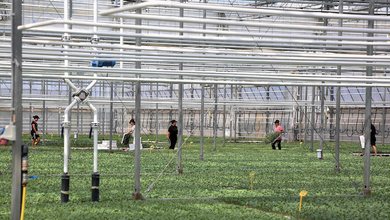
Albania's economy continues to face structural constraints that affect its ability to reach EU per capita income levels (currently one-third). These include low productivity in agriculture and services, a narrow export base, and a business environment affected by regulatory barriers, informality, and institutional weaknesses.
Skills mismatches, migration and population ageing continue to limit the availability of human capital. Demographic and climate challenges, together with increased spending needs, highlight the importance of preserving fiscal buffers through revenue mobilization and expenditure efficiency.
"Adopting reforms compatible with the EU acquis can increase productivity, deepen market integration and ensure that the benefits are inclusive," the report says regarding the conditions and challenges.
PREDICTION
The World Bank estimates that the impacts of the Middle East War, which have had a wide-ranging effect, could also affect purchasing power in Albania during 2026.
“Albania’s economic growth is expected to slow as tourism reaches its peak. Consumption will receive a temporary boost in 2026 from fiscal transfers and wage increases, but rising prices will slow the gains. From 2027-2028, consumption growth is expected to ease with inflation stable at around 3 percent, while government spending will support investment, particularly in infrastructure.
Wage growth could continue to outpace productivity, fueling inflation, while rising global energy prices and trade disruptions related to the Middle East conflict are expected to add to pressures on domestic prices in 2026 and weaken household purchasing power.
However, increased employment and wage growth should help reduce poverty to 19.4 percent by 2028.
The fiscal deficit will increase to 1.8 percent of GDP in 2026 due to pension bonuses, defense spending, wage indexation, and capital investment. Over the period to 2028, the deficit is expected to decline as GDP grows, the revenue strategy takes effect, and the absorption of EU funds increases, reducing public debt to around 51 percent of GDP.
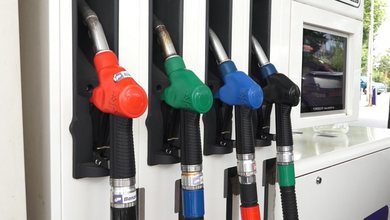
The current account deficit will remain below historical levels despite strong demand due to increased import-intensive public investment, although a larger fuel and energy import bill related to the Middle East conflict could widen the deficit.
"Risks include global uncertainty and domestic pressures that could affect market confidence or the pace of reforms. Positive outcomes are possible if the EU accession process is accelerated and reforms are strengthened, leading to increased investment and productivity," the report says./Monitor.al/