


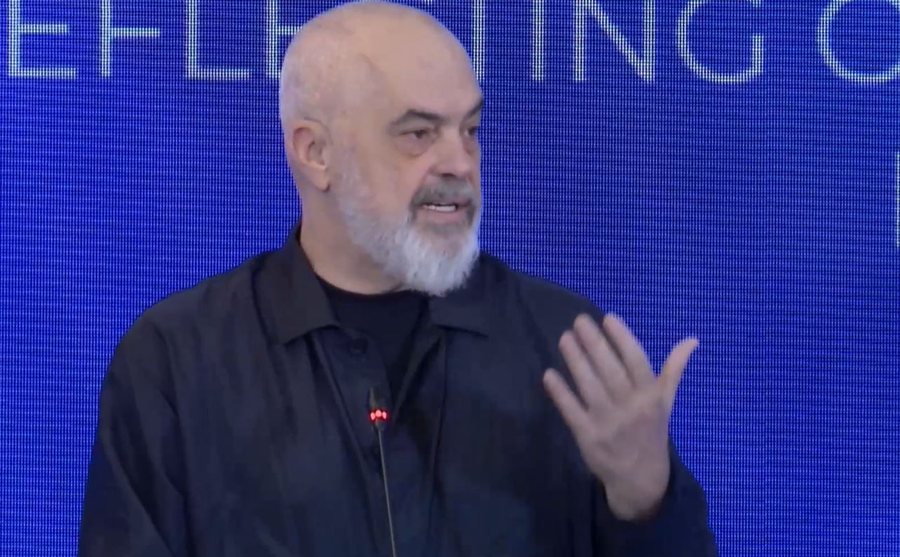
Prime Minister Edi Rama attended the 30th anniversary ceremony of Public Procurement, where he described this sector as a success story and clear evidence of the fight against corruption. Rama stated that the progress in public procurement “is not debatable” and that Albania is today “a leading country in the region.”
But despite the optimistic language of the head of government, official data, SPAK investigations, and audits by independent institutions show a completely different reality, where tender abuses, lack of competition, and favoritism of politically connected companies continue to be a daily part of the system.
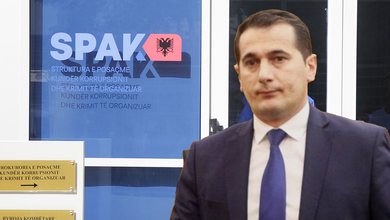
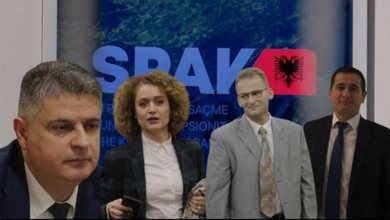
This year alone, the Special Prosecution Office has investigated serious cases of corruption in public tenders, including the Tirana Agricultural University case, where officials and private companies are suspected of manipulating documents and procedures to win multi-million euro contracts. Similarly, the head of Public Procurement, Jonaid Myzyri, was investigated for a €2.2 million tender, where he is suspected of favoring certain operators, clearly showing that abuses are not a low-level problem, but affect the central structures of the procurement system itself.
On the other hand, reports by the Supreme State Audit Office have found that 28% of tenders have been cancelled due to significant violations, poorly prepared documentation, unjustified criteria and lack of real competition, while independent procurement monitoring organizations continuously publish data showing that companies linked to politically exposed persons win hundreds of tenders, raising reasonable suspicions of conflict of interest and political influence.
In an attempt to create the image of a modern reform, the government has also introduced a “virtual minister” of public procurement, called Diella, an artificial intelligence that, according to Rama, will eliminate corruption by removing human influence from tendering processes. But experts are skeptical, emphasizing that the problems do not lie in the final decision-making phase, but in the drafting of projects, contradictory criteria and lack of transparency, which no artificial intelligence can solve without deep institutional reforms.
In his 12 years of government, several ministers, deputy ministers, and heads of institutions have been involved in investigations for interference in public tenders, so Rama's statements about "indisputable progress" sound completely disconnected from reality.
Despite positive speeches and anniversary ceremonies, the public procurement system in Albania continues to exhibit structural problems that burden the state budget, undermine fair competition, and divert public funds towards narrow interests. In this context, public procurement remains one of the most critical sectors of governance, where the reality of abuses and lack of transparency defies any triumphalist declarations by the Prime Minister.