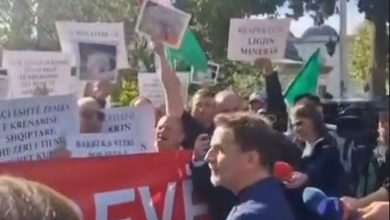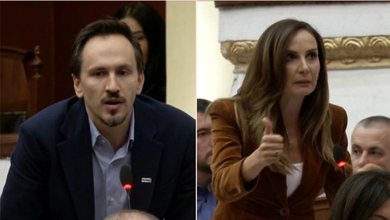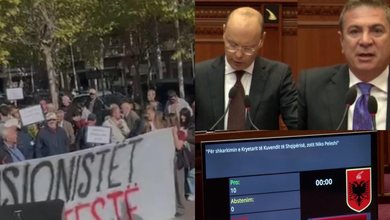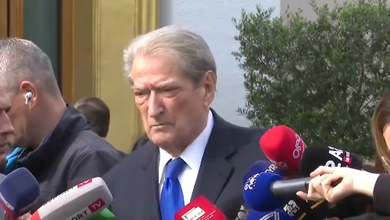



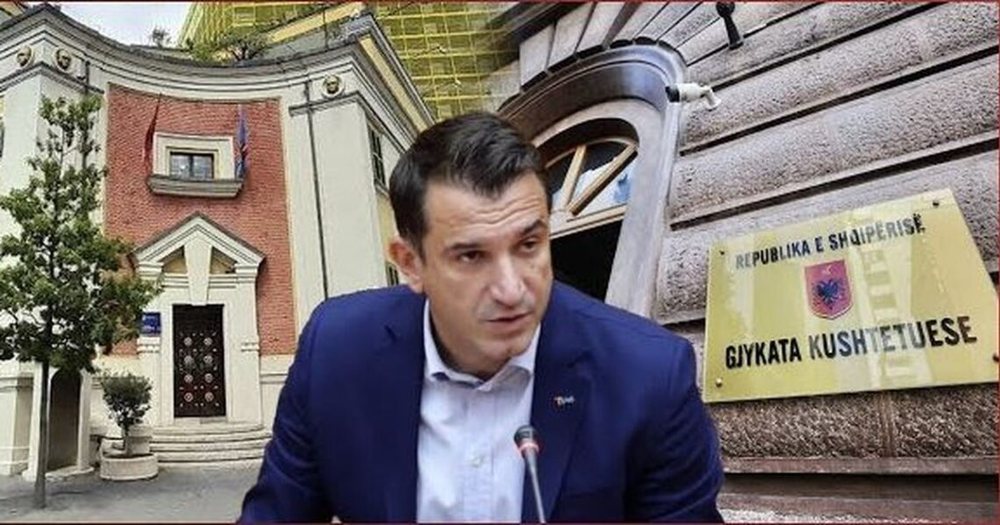
Ka një paradoks domethënës në pritjen e 31 tetorit, ditës kur Gjykata Kushtetuese do të shqyrtojë çështjen e Erion Veliajt. Publiku dhe politika, në mënyra të ndryshme, janë ngarkuar nga pritja dhe nga pasiguria. Por, ndërsa shumë janë bindur se nesër do të ketë një vendim të prerë, realiteti procedural juridik dhe institucional flet krejt ndryshe.
Në thelb, çështja nuk është fati politik i Erion Veliajt. Interesi publik qëndron shumë përtej një emri apo një karriere. Pyetja e madhe është kjo: a kemi ende një Kushtetutë që funksionon, a kemi mekanizma që frenojnë abuzimin e pushtetit dhe a kemi një Gjykatë Kushtetuese që vendos drejtësisht, jashtë presionit politik?
Ky është testi i radhës për shtetin e së drejtës në Shqipëri. Një test që nuk do të mbyllet më 31 tetor.
Pritshmëria e rreme e “vendimit nesër” nuk ka lindur nga analiza juridike, por nga psikologjia politike:
• Mbështetësit e Veliajt, të rraskapitur nga izolimi i tij politik dhe institucional prej muajsh, e shohin 31 tetorin si mundësinë e parë për frymëmarrje. Prej shkurtit të këtij viti, Veliajt i është kthyer bota përmbys: miq politikë që e kanë goditur pas shpine, këshilltarët e tij që e shkarkuan, mentori i tij Edi Rama që i hodhi një dorë dhé në varrin politik, për të mos përmendur rënien pingul nga retë e delirit politik në skutat e procesit penal. Për të, 31 tetori duket si një rreze drite nga dritarja e birucës së rrethit të 7 të ferrit.
• Mazhoranca socialiste, e kapur në befasi nga pezullimi prej GJK që i prishi planin për ta përjashtuar shpejt nga skena, po ashtu ka ngritur pritshmëritë për një vendim – natyrisht në favor të saj. Me mbipushtetin që ka sot, ngecja e planit e sidomos zvarritja, i duket si sfidë ndaj krenarisë së plotfuqishmërisë absolute. Ndaj e kërkon vendimin nesër. Dhe ashtu siç e do ajo, sepse s’ka kohë për të humbur, me një palë zgjedhje në Tiranë që mendon se i ka fituar në tavolinë.
Fakti që Veliaj pritet të shfaqet fizikisht në seancë ka shtuar ngarkesën psikologjike. Ai që dikur ishte çdo ditë në ekranet e shqiptarëve, është zhdukur nga skena publike prej shkurti. Kthimi i tij e ushqen atmosferën e tensionit dhe spektaklit. Kjo po, është një arsye që rrit interesin. Por jo aq për shfaqjen fizike, sesa për atë çka do të thotë.
Por, si zakonisht, emocioni nuk përputhet me realitetin juridik. Nesër, më 31 tetor, nuk mund të ketë vendim. Një vështrim i ftohtë dhe profesional mjafton për të arritur në këtë konkluzion. Arsyet janë të forta:
1. Çështja është komplekse dhe shumëplanëshe.
It is not a question of whether Veliaj has crossed the threshold of the municipality or not for 3 months. It will be necessary to analyze:
• Circumstances of the absence
• His acts during this period (e.g. signing the replacement of the deputy mayor from prison)
• Political or criminal will of isolation
• Standards of due process
• Application of constitutional rights and human rights
• Principle of presumption of innocence
• Comparison with other cases, including political precedents such as Berisha
• Strasbourg and Venice Commission standards on local autonomy
This is not a formal trial; it is a substantive trial, filled with serious constitutional questions.
2. There are many parties and lawyers.
The President, the Council of Ministers, representatives of local government, Veliaj's defense - the procedure will be long, argumentative, with evidence and counter-evidence.
3. The parties will ask for time.
There has been no precedent in the Constitutional Court for a matter of this importance to have final conclusions issued on the same day. A deadline will be required to come up with the final version.
4. The court itself needs time.
This decision determines not only the fate of a mayor, but the fate of 60 municipalities in the country and the entire architecture of local government. In other words, if Veliaj can be removed by a political decision, then mayors in Albania are not elected by the people – but by the Prime Minister. And local elections are reduced to a facade. The very constitutional order of the country is therefore being discussed. And this process cannot be rushed!
5. The procedure after the decision takes time.
Even in the fastest case:
• The decision must be made
• Reasoned in detail
• Disclosed
• Published in the Official Gazette
Historically, this takes an average of up to a month.
6. The court consists of 8 members.
Procedural arithmetic is also a factor: the truncated court does not make urgent decisions on the country's constitutional balances.
⸻
So, October 31st will not be the day of decision. It will be the day of the start of the battle for a decision.
If anyone expects to receive calm, relief, political victory or spectacular defeat tomorrow, they will be disappointed. The hearing will be just the beginning of a process that requires prudence, professionalism and institutional integrity.