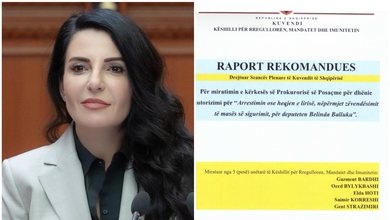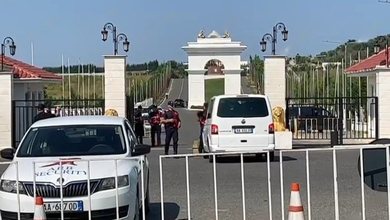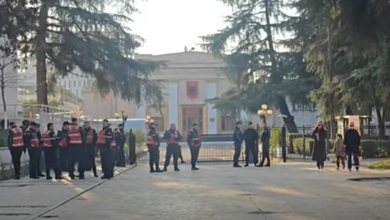
Despite the conflicting background where the opposition is protesting and the Parliament is not calm due to the failure to arrest Belinda Balluku, the SP and the DP sat together today at a table on electoral reform, where, as the EU and OSCE Ambassador told you, "they are doomed to come up with an agreement."
The law on the financing of political parties is an urgent request coming from the EU for the negotiation steps, but the table did not bring an agreed draft.
However, experts Damian Gjiknuri and Oerd Bylykbashi presented the agreement on the "Architecture" of the Draft Law on Financing of Political Parties. This document marks a turning point where the parties, although still in discussions, have agreed on the basic structure and main pillars that will hold up the new legal edifice of political finance.
The need for this intervention comes as a dictate of progress: The European Commission's 2025 Report and the 2023 "Screening Report" have underlined the urgent need for a new legal framework that guarantees transparency and practical implementation of obligations.
"Walls" against Dirty Money and Foreign Influence
One of the most critical points of this architecture is the long list of prohibitions, which aims to insulate politics from dubious interests. Parties will be strictly prohibited from receiving aid from:
• Foreign entities: Government institutions, foreign citizens or legal entities.
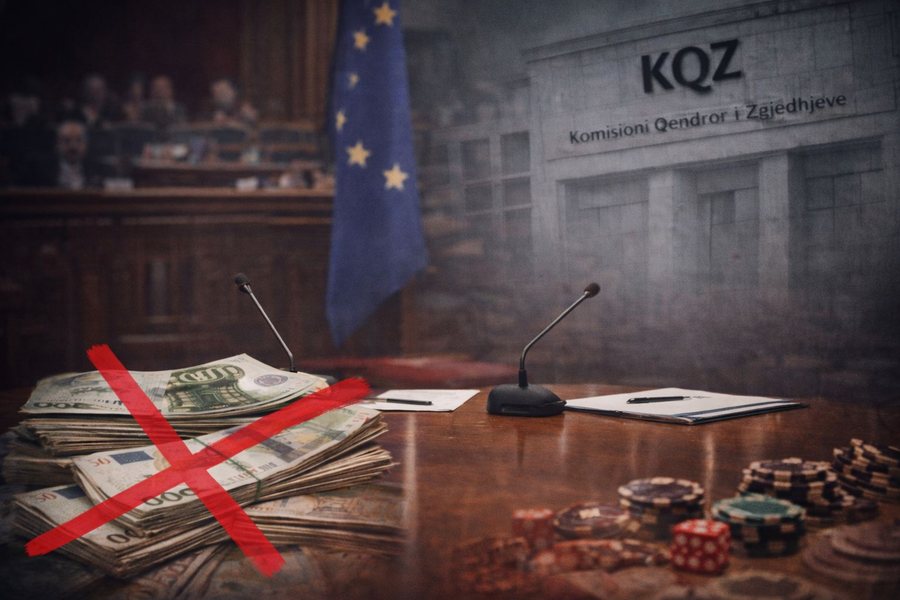
• "Hot" sectors: Strategic investors, gambling, casinos and the world of cryptocurrencies.
• Businesses with public contracts: Companies that have concession or PPP contracts with the state, up to 3 years after the end of the contract.
• Persons with criminal records: Citizens convicted of corruption, money laundering, organized crime or electoral crimes.
Numbers and Control: Who holds the "keys"?
The document sets clear limits for private donations: up to 200,000 lek from individuals and up to 1,000,000 lek from legal entities within a year. On the other hand, the state will continue to provide financial assistance, including a special grant of 5% of the fund for parties that promote gender equality and the role of youth.
The role of the Central Election Commission (CEC) is significantly strengthened. The CEC will be the "guardian" that:
1. Accepts annual reports by March 31.
2. Publishes audit reports within 30 days.
3. Has the right to directly verify every invoice and expense.
4. Refers suspicions of irregularities to the Prosecutor's Office or the Money Laundering Directorate.
According to the draft law, the new punishment system aims to be real and proportional, moving away from the symbolic fines of the past.
Structure of Administrative Sanctions
In the new legal framework, sanctions are designed to hit where it hurts the most: on the party's finances and the legality of its actions. Some of the key points include:
• For violating funding prohibitions: Any attempt to obtain funds from prohibited sources (such as gambling, cryptocurrencies or foreign entities) will be accompanied by strict administrative measures.
• For lack of transparency: Failure to submit the Annual Financing Report by the March 31 deadline or submitting incorrect data constitutes grounds for sanctions by the CEC.
• Referral for criminal prosecution: In cases where the CEC finds suspicions of serious irregularities, the audit report is immediately sent to the Prosecutor's Office or the Money Laundering Directorate.
• Impact on Public Funds: Repeated violations or lack of accountability may lead to the party being penalized in terms of benefiting from funds from the State Budget.