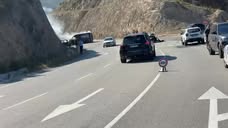




On the outskirts of Tirana, beyond the “Palace of Arrows,” the pollution of the Lana River is eye-popping and nose-popping. A sewage collector freely discharges waste into the river, which the current carries westward – first into the Ishëm River and then into the Adriatic Sea.
The quality of life of the residents living near this segment of Lana resembles the Middle Ages.
“There is no river in Europe more polluted than the Lana,” says Aleko Miho, an environmental activist and professor at the Faculty of Natural Sciences in Tirana, with concern. “It is so bad that when we measure the bacterial load, the level of pollution is beyond the maximum that the instruments can accept.”
The pollution of the Lana River is not new news, as since the 1960s in communist Albania, the capital's sewage network has been built in such a way that it flows directly into the river.
But three decades after the fall of communism, Tirana remains the only capital in Europe that does not treat its wastewater network at all – endangering the environment and the health of its residents.
The historic failure, however, comes with a hefty financial bill.
Albanian governments have spent tens of millions of euros since 2008 on consulting services, construction tenders, and arbitration costs for the Lana water treatment plant project, the contract for which was illegally terminated by the Ministry of Infrastructure and Energy in 2018.
The project still holds the only hope for a partial solution to Tirana's wastewater problem, although it has been languishing for years, unfinished and at risk of being depreciated in the Kashari area.
The National Water Supply and Sewerage Agency, AKUK, told BIRN that it is working to finalize the project, which is currently undergoing a new assessment of its condition.
"Currently, the consultancy service is conducting a detailed engineering analysis to assess the current status of the project as well as review the detailed project in accordance with the current needs of the service area, which will serve as basic documentation for the resumption and finalization of the project," said AKUK.
The Japan International Cooperation Agency, JICA, which financed the project through a soft loan in 2008, also said that "the loan is still valid and that the project is ongoing."
But for environmental experts, the unjustified interruption of the project has brought serious and long-term consequences for the capital.
"The over 7-year delay of the project has deprived citizens of a basic service that should have been functional long ago, creating social, economic and environmental damage," said Aleksandër Trajçe, director of the environmental organization PPNEA.
Tirana has experienced frenetic growth over the past three decades, both in area and population. Once surrounded by hills, the city has transformed into a laboratory for foreign architects in recent years – with tall concrete towers and shiny facades rivaling each other.
Prime Minister Edi Rama boasts about the transformation of Tirana, which he says “produces more architecture than the rest of Europe.” However, in contrast to the vertical development, Tirana continues to inherit an ill-funded sewer network built during the 1930s-1970s.
The Lana River flows from the Dajti Mountain with clean water and turns into an open-air collector as soon as it touches the urban outskirts of Tirana.
According to an audit report by the Supreme State Audit for 2025, 85 wastewater collectors and an unknown number of septic tanks in the informal areas of the capital city empty into the Lana River – starting from Shkoza to the end point of the confluence with the Tirana River.
The lack of investment and the blocking of the contract for the construction of the Kashari plant, according to the Albanian Supreme Audit Institution, has left the wastewater treatment situation in Tirana in a critical state - even in contrast to the average in the rest of the country.
“The lack of an active plant in Tirana constitutes an environmental and health risk, violating European standards for cities with over 10,000 inhabitants, which require 85% coverage,” the report states. According to the SAI, the construction and commissioning of the Kashari plant is “a national emergency.”
For environmental expert Aleksandër Trajçe, the Tirana of 2026 is not much different from medieval cities. Unlike local residents accustomed to dirty water and heavy odors, Trajçe says foreign tourists are alarmed when they learn that the Lana serves as an open sewage canal.
“The sewage and wastewater treatment system is one of the most fundamental services for public health and urban development. Without it, one cannot talk about a modern city or quality of life,” Trajçe told BIRN.
For citizens, pollution translates into an unhealthy urban environment, a risk to public health, and a lower quality of life.
"Faecal water is a direct source of numerous diseases, especially if it contaminates water sources and comes into physical contact with people," he added.
Professor Aleko Miho agrees, stressing that in this situation no one can be safe. In addition to wastewater, he says that untreated wastewater is also a problem due to the high content of chemicals and detergents, which in the long term penetrate the soil composition.
"The soil is starting to give birth to cancer. Cancer that settles in the plants that feed the livestock, in the meat, in the milk," he says with concern. "Apart from politics, left or right, urgent intervention is needed," Miho stressed.
Termination of contract, illegal
Projekti i impiantit të trajtimit të ujërave të ndotura të Tiranës u financua përmes një kredie të butë në vitin 2008, u prokurua në vitin 2014 dhe u bllokua në vitin 2018. I ndërtuar rrëzë kodrave të Kasharit, impianti synonte të mbulonte një popullsi prej 350 mijë banorësh – me një fazë të dytë të synuar për ta zgjidhur plotësisht problemin e trajtimit të ujërave të zeza.
Fitues të tenderit për kontratën e punës ishte konsorciumi i kompanisë italiane “Construzioni Dondi” dhe asaj japoneze “Kubota Corporation”, me një vlerë kontrate prej rreth 81 milionë eurosh. Por në vitin 2018, Ministria e Infrastrukturës dhe Energjisë vendosi ta ndëpresë kontratën në mënyrë të njëanshme, duke e e përcjellë konfliktin në Gjykatën e Arbitrazhit në Londër. Në momentin e ndërprerjes së kontratës, punimet ishin kryer në masën 70% ose në vlerën e 56 milionë eurove.
Problemet me ndërtimin e impiantit të Kasharit nisën pas zgjedhjeve të vitit 2017, të cilat shënuan ndarjen mes Partisë Socialiste me aleates së saj, Lëvizja Socialiste për Integrim. Drejtuesit e projektit, pjesë e LSI, u shkarkuan nga detyra.
Albens Alite, koordinator i projektit deri në vitin 2017 dhe ish-drejtues në administratë nga radhët e LSI, thotë se gjithçka shkoi keq me ardhjen e stafit të ri.
“Drejtori i ri i projektit nuk dinte asnjë fjalë në aglisht – gjuha me të cilën komunikonim me japonezët, por edhe gjuha e dokumenteve të pafundme, që pasqyronin eurinë e kontratës. Kështu, volumet e punimeve për vitin 2018, zbritën në nivelin më të ulët, vetëm 5 për qind realizim,” tha Alite për BIRN.
Projekti u përball gjithashtu me probleme të paparashikuara si zhvlerësimi i Jen-it apo rrëshqitja e dherave pranë impiantit të Kasharit.
Në fillim të vitit 2018, ministri i Infrastrukturës së kohës, Damian Gjiknuri inicioi një auditim për projektin e impiantit të trajtimit të ujërave të përdorura dhe në mars ai paditi në Prokurori për “shpërdorim detyre” drejtuesit e vjetër të projektit, mes të cilëve edhe Aliten, duke iu faturuar atyre një dëm prej 21 milionë euro.
Por çështja u pushua në tetor 2018, pasi Gjykata e Tiranës nuk konstatoi elementë të veprës penale të shpërdorimit të detyrës për asnjërin nga zyrtarët e Drejtorisë së Përgjithshme të Ujësjellës- Kanalizimeve.
“Çdo veprim i zyrtarëve të DPUK-së ka qenë i autorizuar dhe miratuar nga ana e Agjencisë Japoneze të Bashkëpunimit Ndërkombëtar (Bankës Japoneze për Zhvillim), si autoritet i parashikuar në marrëveshje për mbikqyrjen dhe miratimin e procedurave të tenderimit dhe të transferimit të parave,” thuhet në vendimin e Gjykatës.
“Nuk janë kryer veprime në kundërshtim me ligjet dhe aktet nënligjore nga ana e të kallëzuarve, të tilla që të formojnë elementët e veprës penale të ‘shpërdorimit të detyrës,” thekson më tej vendimi.
Vendimi i Ministrisë së Infrastrukturës dhe Energjisë solli bllokimin e plotë të projektit. Konsorciumi i kompanive “Dondi & Kubota” u njoftua më 4 korrik 2018 për ndërprerjen e kontratës përmes një shkrese të kreut të asaj kohe të Drejtorisë së Përgjithshme të Ujësjellës Kanalizimeve, Arben Skënderi. Skënderi nuk iu përgjigj një kërkese për koment të BIRN.
Alite pretendon se ndërprerja e njëanshme e kontratës dhe të gjitha procedurat që e shoqëruan këtë veprim u kryen gabim.
“Edhe papërgjegjshmëri, edhe dembelizëm, edhe injorancë, mund të ketë qenë. Mund të ketë qenë edhe për idiotësi hakmarrjesh partiake, por në asnjë rast ndërprerja e kontratës nuk kishte lidhje me logjikën,” tha Alite.

Gjykata Ndërkombëtare e Arbitrazhit në Londër e konsideroi vendimin për ndërprerjen e kontratës nga ana e Ministrisë së Infrastrukturës dhe Energjisë dhe Agjencisë Kombëtarë të Ujësjellës- Kanalizimeve si të paligjshme.
Përmes vendimit të shpallur më 14 mars 2024, shteti shqiptar u penalizua me 13.5 milionë euro dëmshpërblim në favor të konsorciumit paditës, pa llogaritur shpenzimet e përfaqësimit dhe të mirëmbajtjes, të cilat e thellojnë dëmin financiar.
Avokatura e Shtetit nuk dha detaje mbi arsyetimin e vendimit, duke e konsideruar procesin e arbitrazhit si konfidencial mes palëve, në një përgjigje për BIRN.
Megjithatë, auditi i KLSH-së zbulon se sipas vendimit, zgjidhja e kontratës ishte bërë në mënyrë të njëanshme nga Ministria e Infrastrukturës dhe Agjencia e Ujësjellës- Kanalizimeve, “në kundërshtim me marrëveshjen e financimit dhe kushtet e kontratës së lidhur me kontraktorin”. Sipas vendimit, MIE dhe AKUM nuk kanë marrë gjithashtu miratim paraprak nga financuesi – Banka Japoneze për Zhvillim, JICA për zgjidhjen e kontratës.
Vendimi i arbitrazhit vlerëson gjithashtu se shkaku kryesor i vonesave dhe mosrealizimit të projektit ishte pamundësia e aksesit dhe e posedimit të kantierit nga kontraktori si dhe vonesat e theksuara në kryerjen e pagesave dhe rimbursimin e TVSH-së.
“Pamundësia e aksesit dhe posedimit të kantierit për ndërtimin e pusetave dhe punimeve të mikrotunelimit ndikoi negativisht në çdo aspekt të asaj që Pala e Paditur pretendon se ishin dështimet e Paditësit. Sipas mendimit të Tribunalit, ky ishte shkaku thelbësor dhe kryesor i vonesave dhe i mos përfundimit të Projektit,” citohet vendimi i Arbitrazhit në raportin e KLSH-së.
Përveç penalitetit prej 13.5 milionë eurosh, në raport theksohet se Avokatura e Shtetit shpenzoi rreth 1.8 milionë euro si kosto përfaqësimi dhe ekspertize për të përfaqësuar Shqipërinë në çështjen në Gjykatën e Arbitrazhit në Londër.
On the other hand, AKUK has spent over 66 million additional lek on site maintenance contracts, without providing solutions to depreciation issues, such as the loss of cast iron pipe quota, damage to chlorination tanks from the 2019 earthquake, or the lack of protective measures for digesters from possible landslides.
"The maintenance contract does not guarantee the maintenance of essential works of the Greater Tirana sewerage system, especially reinforced concrete structures such as shaft tanks, or mechanical systems," the SAI audit report states.
Despite the financial burden on the state, former Minister of Infrastructure, Damian Gjiknuri, calls the arbitration decision a victory.
“The decision [to terminate the contract] is motivated by the failure to implement the contract. This means that the termination of the contract is not a breach, but rather the implementation of the contract,” Gjiknuri said in a telephone conversation with BIRN.
"In the Arbitration Court's decision, it only recognized the last works they had performed, and they were not paid the invoice. It was the best possible result. ...if that's the case, the state has won and not lost," he added.
For the leader of PPNEA, the losers are the state and the citizens.
Trajçe estimates that some damage may be recoverable if the plant is put into operation as soon as possible, but some environmental consequences will take years, even decades, to recover.
"So the longer the plant is delayed, the more difficult the recovery will be," he concluded./ Reporter.al