


On October 6, in the center of Tirana, in a courtroom of the Court of Appeal not far from the Albanian Parliament, judge Astrit Kalaja was murdered, marking one of the most serious events in the justice system and raising the alarm about the lack of security in the courts.
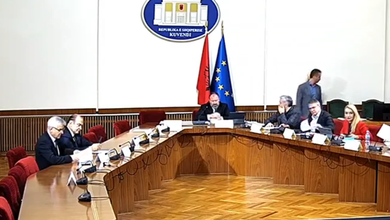
On Tuesday in the Parliament, the issue of security in the courts became part of the debate on the government's draft budget for 2026, where according to the High Judicial Council, KLGJ, the Ministry of Finance has not fulfilled the request for 340 million lek for this purpose.
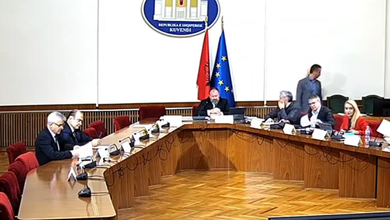
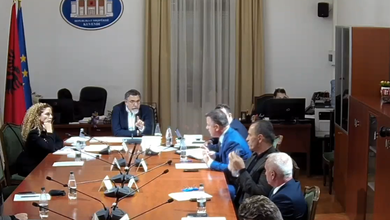
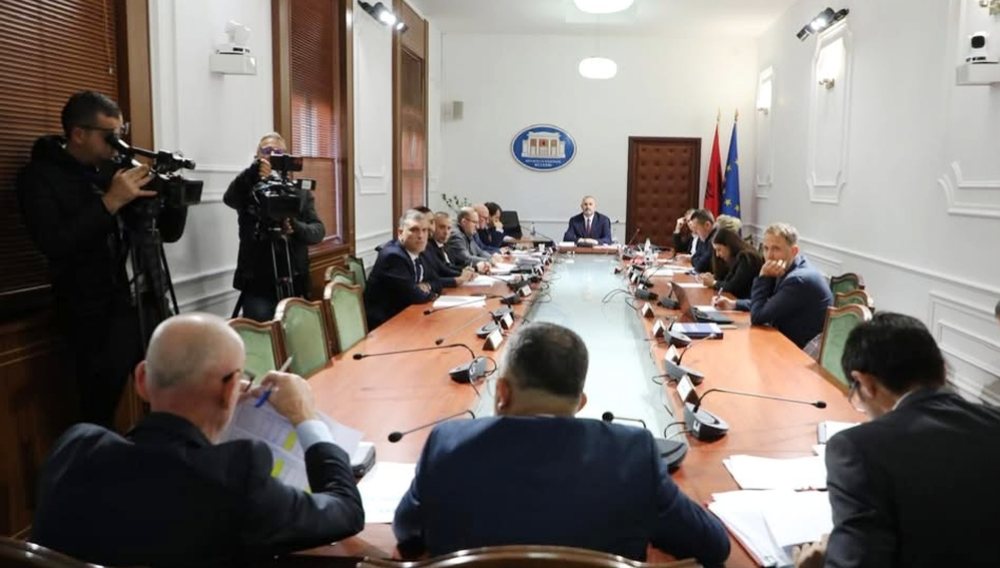
"It's about every security element, detectors, scanners, and other elements that we haven't received. This fund was only received in 2023, but the prosecution procedures have not been completed. What we are asking for also includes 340 million for security in the courts," said the chairman of the Supreme Court of Justice, Ilir Rusi, before the Committee on Legal Affairs and Public Administration.
Although the budget for the Supreme Court has increased, the Supreme Court still complained that the approved budget is 26% less than the requested one, after the Ministry of Finance rejected the request for 2 billion lek, which was foreseen for investments in building infrastructure and increased security.
Russia told lawmakers that investments in infrastructure and security should go hand in hand.
"We can bring a detector, but when there is no place to put it, it is of no use," he said to illustrate the problem of the lack of buildings.
However, Rusi said that even if the requested fund is not approved, Rusi said that the Supreme Court has foreseen that a portion of the investment funds, 57 million lek, will be dedicated to security, as has happened in other years.
The head of the Supreme Court of Justice also complained about the lack of land for the construction of new court buildings in the districts in accordance with the new judicial map or the making available of existing buildings for the service of the courts.
Even the additional number of employees approved by the ministry of 100 specialists for the courts did not satisfy the request of the Supreme Court of Justice, which was double this figure.
The demands of the Supreme Court were supported by the majority and the opposition as legitimate, and the commission asked the Ministry of Finance to look into the possibility of fulfilling them before the budget went for approval.
The chairman of the committee, Ulsi Manja, suggested to the Ministry of Finance that it take into account that the Supreme Court of Justice take on the largest number of employees when the number of contract employees is approved.
"It is the fate of 140 thousand families waiting for the stock files," he said, arguing his proposal for increasing staff for the courts, as one of the most important services for the public.
As for the investment fund, Manja linked the ministry's response to the failure to realize the investment item foreseen for 2025, where the institution has so far spent only 9.1 percent of the allocated fund.
However, Manja left the task to the ministry representatives and the budget rapporteur in the committee to consider the possibility of allocating the budget for security in the courts.
"We need to agree on budgeting for this item, it is up to us to support the Supreme Court of Justice, security in the courts is primary," he said.
The opposition deputy chairman of the committee, Oerd Bylykbashi, also supported the demands of the Supreme Court and demanded that the Laws Committee put pressure on the government to fulfill the demands coming from the justice institutions.
"The government should give up on luxury spending and transfer this money to the Supreme Court. It is essential that the justice system functions without worrying about whether the government gives it money or not," he said./BIRN