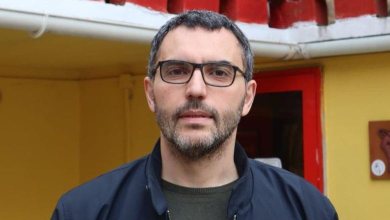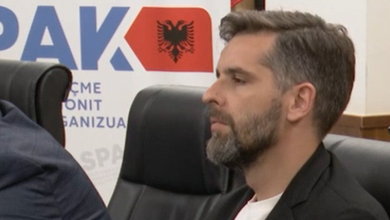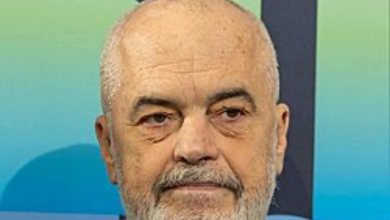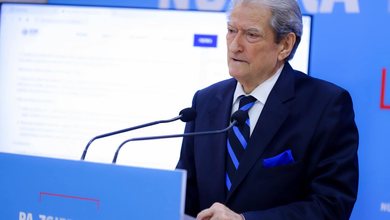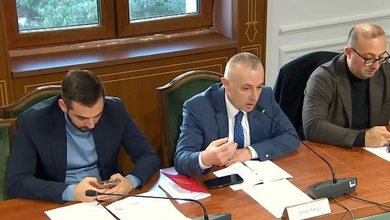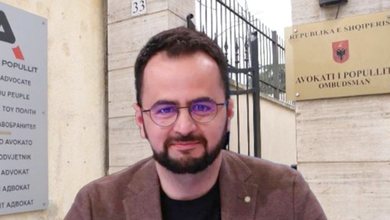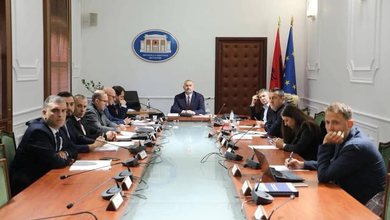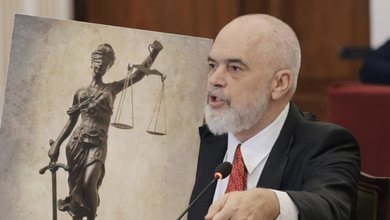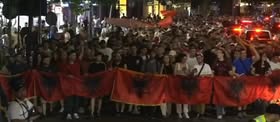



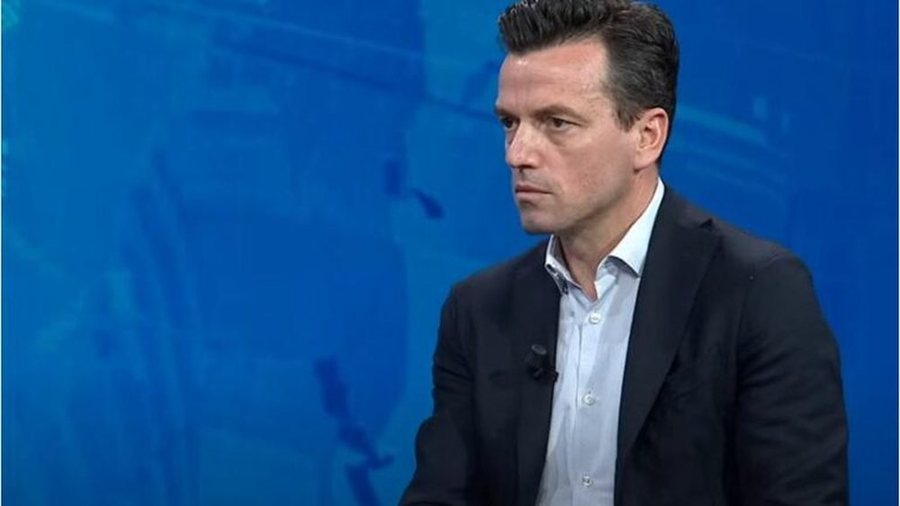
Adriatik Lapaj takes a chair and goes out alone in protest in front of the Prime Minister's Office. Sali Berisha continues the protests every Monday with the structures of the Democratic Party. Arlind Qori announces a protest on Thursday at 18:00 in front of the Parliament. And the "cherry on the cake": the leader of the Opportunity Party, Agron Shehaj, announces a political roundtable and a platform in defense of justice.
Four separate initiatives. Four different scenes. Four parallel paths. And a single government that looks down on them all, without really being concerned about any of them.
Shehaj, in the News24 studio, attempted to justify this fragmentation with a reflection that is in itself an indictment of the opposition: “We should not ask why Albanians do not protest, but what more can we do. You must be credible, inspire, be hope.” A correct statement in principle, but one that contradicts the reality of a fragmented opposition, where each tests himself as “hope” on his own, without ever creating a collective hope.
In fact, the panorama is this: symbolic protest with chairs, ritual protest every Monday, protest announced for Thursday, and now a political table for justice. All in the name of the same cause – opposition to the government – but all separated from each other, without coordination, without a common strategy and without a clear final objective.
This cacophony, as Shehaj himself called it, is not just media. It is political. It is oppositional. It is a noise without an orchestra, where each instrument plays on its own and no one hears the melody.
The paradox is clear: all these initiatives seem to be waiting for “something” to happen – an explosion of discontent, a massive civic reaction, a turning point – but at the same time they are aware that, separated, they do not have even the minimal strength to seriously undermine the government. Not to shock it. Not to shake it. Not to put it under real pressure.
Thus, the opposition no longer faces the government as a political bloc. It faces itself. With ego, with roles, with individual ambitions, with attempts at protagonism. While the citizen, who is expected to take to the streets, sees only one thing: many calls, zero common direction.
And in the end, the government doesn't need to suppress protests. It just needs to watch them from the office and simply find the time to comment.