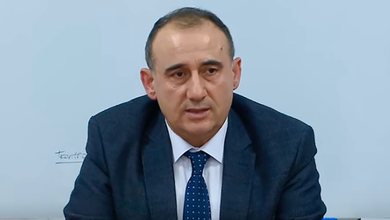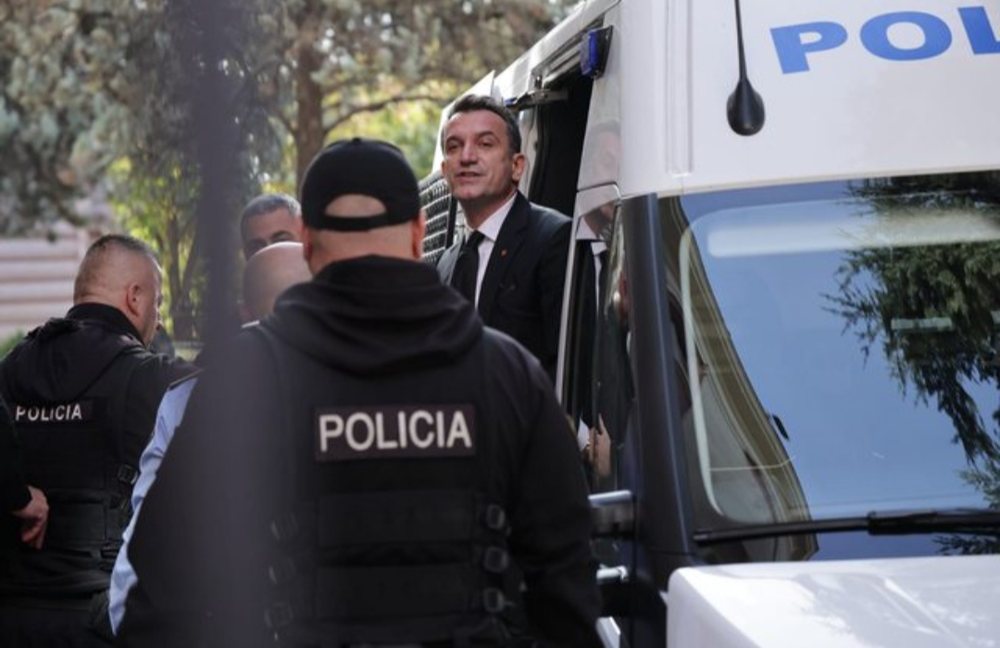
On the morning of February 10, 2025, television screens were broadcasting 'live' the mayor of Tirana, Erion Veliaj, inspecting a kindergarten, while he was actually in his office with investigators from the National Bureau of Investigation, who communicated to him the measure of arrest with imprisonment on the charge of creating a corrupt scheme between his wife's companies and a group of businessmen close to him.
A year later, Veliaj is in prison and on trial, while continuing to hold the "de jure" position of mayor, after a failed attempt by the Council of Ministers to dismiss him, which was overturned by the Constitutional Court.
Veliaj was seen as a rising politician of the Socialist Party and its image in local government, before his image was tarnished by corruption allegations. Veliaj vehemently denies the charges.
However, he is just one of dozens of Socialist Party representatives in local government who are facing charges of criminal offenses of corruption, abuse of office, violation of equality in tenders, or forgery.
Since the establishment of the Prosecutor's Office and the Special Courts against Corruption and Organized Crime, 28 current or former mayors have been investigated, indicted, or convicted.
Among the mayors who have open accounts with the judiciary, 25 are representatives of the ruling Socialist Party and four represent opposition parties.
For civil society experts who monitor local governance, the high number of local elected officials who have been convicted, are on trial or are under investigation by SPAK indicates a high level of corruption or clientelism in local government in Albania.
Experts also emphasize that citizens are losing their trust in local government institutions.
Agron Haxhimali, director of the Albanian Institute of Municipalities, told BIRN that, “the high number of mayors under investigation may be linked to the combination of concentrated local power, the lack of effective control, but also the increased activity of the justice bodies.”
“This phenomenon usually stems from a mixture of institutional weaknesses, political pressures, and a clientelistic culture that favors personal interests over public ones, issues of personality, accountability, and integrity,” said Haxhimali.
Even for Rigels Xhemollari, director of the organization "Citizen Center", the phenomenon of corruption in local government is linked to the fact that both powers have the same political force.
"The municipalities and the government are on the same party throne, the Socialist Party, and as a result there are fewer control mechanisms for the municipalities from the central government. As a result, the mayors abuse more," said Xhemollari.
From the monitoring conducted by the "Citizen Center" organization for tenders in several municipalities, Xhemollari says that the same scheme of abuse as in the central government has been noticed.
"Mayors choose 2 or 3 operators with whom they cooperate and eliminate competition. There are also red-flag tenders where there is only one operator and he wins or the other operators are fictitious and withdraw, and as a result they have created this type of corruption or fraud scheme with tenders," he stressed.
The second factor that Xhemollari highlights is related to the functioning of Municipal Councils, which accept and approve without any real debate or concern for citizen needs, every project or investment that is decided by the municipal executive.
“Like parliament, these councils have become the president's notaries,” he says.
And the third factor, according to him, that makes mayors more targeted for abuse of office is related to construction permits, land expropriation or their transfer to third parties, where the greatest abuse occurs.
Local government is considered of particular importance to local communities because their work directly impacts the lives of citizens through public services or other functions such as city cleaning or public investments.
Unlike parliamentary elections, mayors are elected due to a closer connection with the residents and cities where they run.
However, the parade of mayors suspected or convicted of corruption, according to experts, is eroding the trust that should exist between citizens and local institutions.
“This type of practice of abuse of public office dismantles public trust in local government,” says Xhemollari, citing as an example the low voter turnout in the by-elections in Vlora in the fall.
"...by concluding corrupt tenders, services to citizens will be of lower quality, or they will be services or investments that do not serve the city, but private interests," he adds.
Haxhimali also acknowledges that citizens are the ones who suffer the consequences of corrupt officials; from mismanagement of funds, reduced efficiency of services, and delays in local development.
"But this is also a lesson for citizens to think carefully when choosing and to have more civic reaction to such phenomena," he suggests.
Haxhimali emphasizes that "investigations and convictions can temporarily damage trust in institutions, but they can also strengthen it if they show that justice is acting independently."
1-Erion Veliaj, Mayor of Tirana – He was arrested by SPAK in February 2025 for the criminal offenses of corruption, money laundering and abuse of office. The case is under trial.
2-Benet Beci, mayor of Shkodra – Accused of favoring a private company in violation of the law while he was running the Albanian Electric Power Corporation, KESH. The case is pending.
3-Majlinda Bufi, kryebashkiake e Roskovecit – Është marrë e pandehur në nëntor 2025 për presionin e ushtruar ndaj një votuesi të opozitës në zgjedhjet e vitit 2023. SPAK kërkon dënimin e saj me 2 vjet në shërbim prove.
4-Erion Isai, kryebashkiak i Kolonjës – Është marrë i pandehur nga Prokuroria e Posaçme për veprën penale të shkeljes së barazisë në tendera.
5-Eriselda Sefa, kryetare e Bashkisë Lushnjë – Është në hetim nga SPAK pas një kallëzimi penal për shkelje të procedurës ligjore në dhënien me qira të pasurive publike.
6-Kristian Shkreli, kryebashkiak i Vau i Dejës – Akuzohet nga Prokuroria e Posaçme për veprën penale të korrupsionit në zgjedhje. Çështja u dërgua për gjykim në tetor 2025.
7-Rakip Suli, kryebashkiak i Kamzës – Është marrë në pyetje më shumë se një herë nga SPAK për një hetim që lidhet me akuzat e shpërdorimit të detyrës.
8- Rexhë Byberi, kryetar i Bashkisë së Tropojës – Është në proces gjykimi për veprën penale të shpërdorimit të detyrës në lidhje me procedurat e hapjes së rrugëve.
9- Kreshnik Hajdari, Kryebashkiak i Kuçovës – U hetua nga Prokuroria e Posaçme për falsifikimin e formularit të dekriminalizimit. Çështja është në gjykim.
10- Qerim Ismailaj, kryebashkiaku i Mallakastrës – U shpall fajtor në vitin 2023 për falsifikimin e formularit të dekriminalizimit, por u dënua me 40 orë punë në komunitet.
11- Tërmet Peçi, ish-kryebashkiak i Tepelenës, aktualisht deputet – U paraqit për të dëshmuar në SPAK në nëntor 2025 pas një kallëzimi të depozituar nga Partia Demokratike.
12- Vangjush Dako, ish-kryetar i Bashkisë Durrës – Gjykata e Posaçme e gjeti fajtor për shpërdorim detyre në dy raste dhe e dënoi atë me 2 vjet e 8 muaj heqje lirie.
13- Fatos Tushe, ish-kryebashkiak i Lushnjës – U dënua dy herë nga Gjykata e Posaçme gjatë viteve 2022- 2024 për veprat penale të shpërdorimit të detyrës dhe fshehjes së pasurisë.
14- Safet Gjici, ish-kryebashkiak i Kukësit – Pas një skandali seksual direkt pas zgjedhjeve të 2023-it, Gjici u arrestua dhe dënua për shpërdorim detyre me 2 vjet burg.
15- Fran Tuci, ish-kryebashkiaku i Fushë-Arrëzit – U dënua me 1 vit burg në tetor të vitit 2023 për veprën penale të shpërdorimit të detyrës me pasojë dëmtimin e një fondi pyjor.
16- Lefter Alla, ish-kryebashkiak i Bulqizës – U dënua në dhjetor 2023 me 2 vjet burg për veprën penale të shkeljes së barazisë në tendera.
17- Jorgo Goro, ish-kryebashkiak i Himarës: U shpall fajtor dy herë dhe u dënua me burg për abuzime me pronat në bregdet.
18- Luiza Mandi, ish-kryebashkiake e Libohovës – U dënua në qershor 2024 për veprën penale të shpërdorimit të detyrës.
19- Edison Memolla, ish-kryebashkiak i Rrogozhinës – U dënua me 1 vit burg për veprën penale të “korrupsionit aktiv në zgjedhje”.
20- Gjolek Guci, ish-kryebashkiak i Memaliajt, bashkë me zëvendësen e tij dhe dy persona të tjerë pritet të gjykohen për veprën penale të shkeljes së barazisë në tendera dhe në ankande publike.
21-Elvis Rroshi, former mayor of Kavajë - After losing his mandate in 2016 for violating the decriminalization law, Rroshi was sent for trial by SPAK in 2026 for tender abuses.
22– Arqile Bollano, former acting mayor of Himara Municipality – Under investigation by SPAK for abusive benefits from agricultural land areas
23- Leonidha Hristo, former mayor of Finiq – Was sent to trial by the Special Prosecution for the criminal offense of abuse of office with tender procedures.
24- Adem Lala, former mayor of Has, was among the first local officials convicted by the Special Court in 2021 for abuse of office during the privatization process of a public building.
25- Rajmonda Balilaj, former mayor of Patos – Convicted in January 2025 for the criminal offense of violating equality in tenders. Balilaj's sentence was converted to probation.
26- Fredi Beleri, elected mayor of Himara as an opposition candidate: He was arrested a few days before the 2023 local elections and sentenced to 2 years in prison for vote buying in a controversial process.
27- Bardh Spahia, former mayor of Shkodra Municipality – Accused of obstructing the execution of court decisions regarding the dismissal and appointment of the Water and Sewerage Administrator. The case is pending.
28-Eduart Kapri, former mayor of Pogradec Municipality – He was convicted by the court along with two of his subordinates for 'abuse of office', after they allowed works to be carried out in violation of the law in a building of the company founded by Kapri himself.
29- Fran Frrokaj, former mayor of Lezha Municipality – Was sentenced by the Special Court of Appeal to 2 years and 8 months in prison for property alienation in collaboration with other local officials./Reporter.al