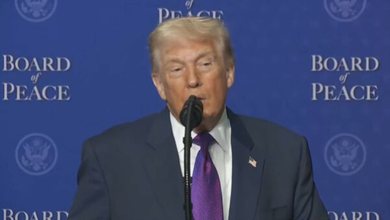


A group of world leaders, most of them considered authoritarian or repressive, as well as their representatives, are traveling to Washington for the inaugural meeting of the Peace Board created by US President Donald Trump.
This body was initially established to implement Trump's vision for the future of Gaza after the devastation of the war with Israel, but he later expanded its mission, calling it "the most important international body in history."
Global powers, including traditional US allies, are concerned that this Washington-led body aims to bypass the United Nations and replace it with a paid club, run at the whim of a single person.
According to Freedom House's annual report on political rights and civil liberties, many of the founding countries are ruled by military regimes or authoritarian systems, while some others joined for pragmatic reasons.
Middle East
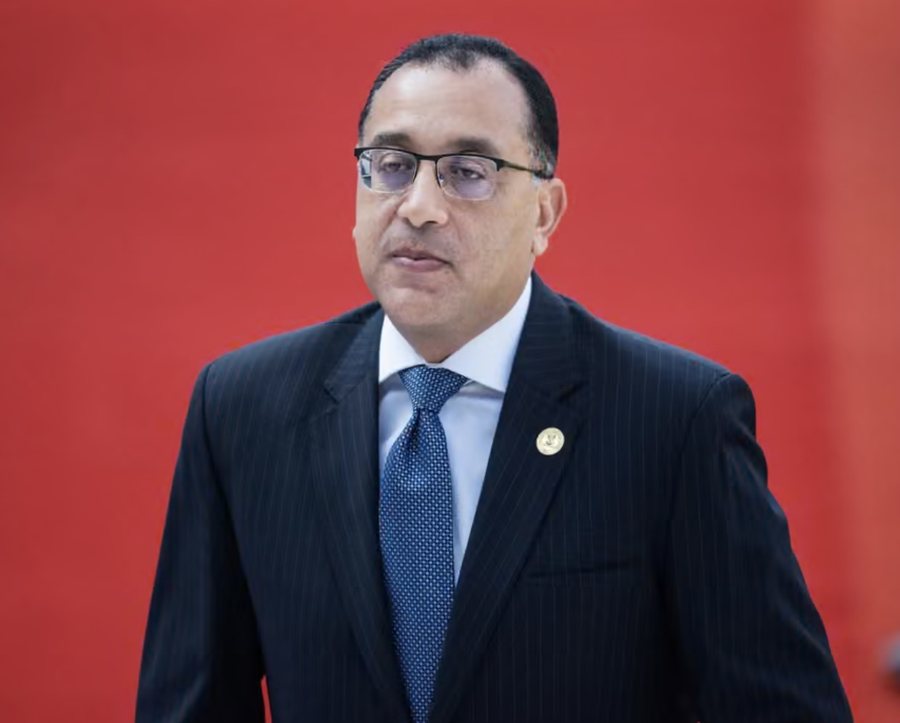
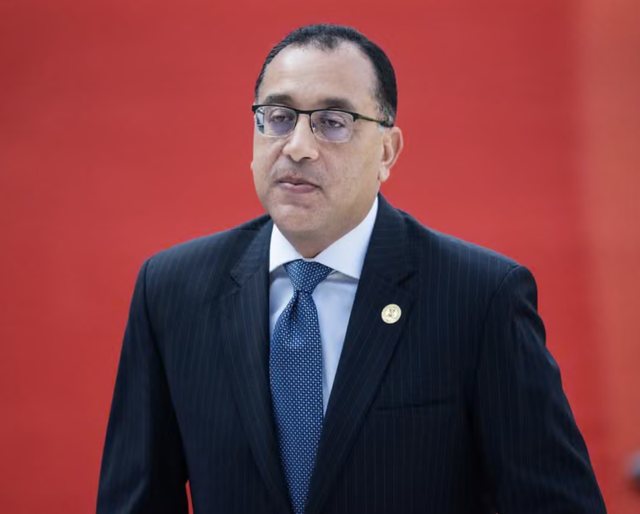
Egypt – Prime Minister Mostafa Madbouly
The Freedom House report describes a dire rights situation in Egypt, with civil liberties and press freedoms severely restricted. President Abdel Fattah al-Sisi is accused of governing in an increasingly authoritarian manner since taking power in 2013, suppressing the opposition and critical voices.
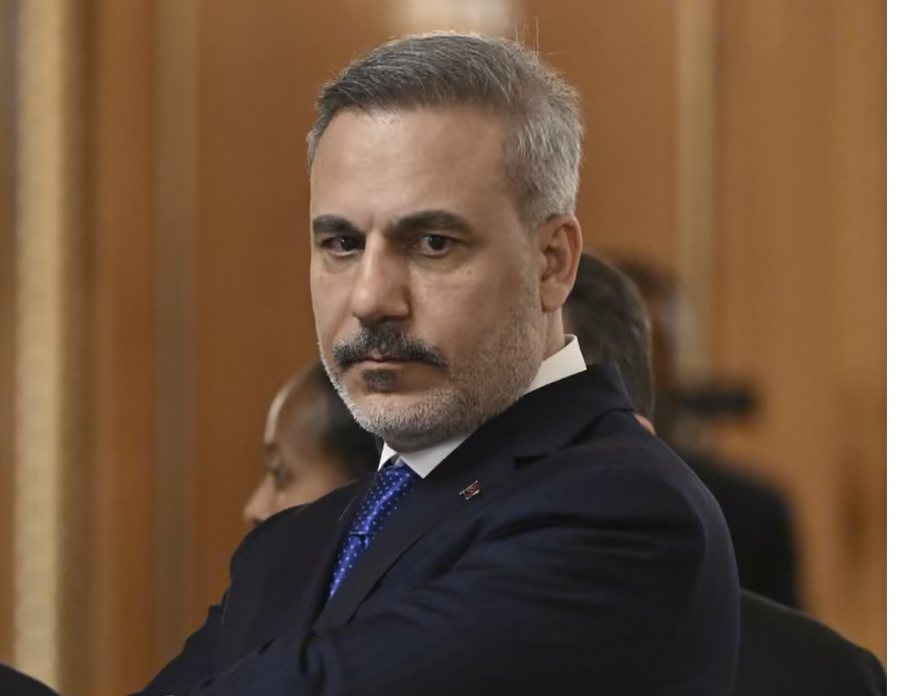
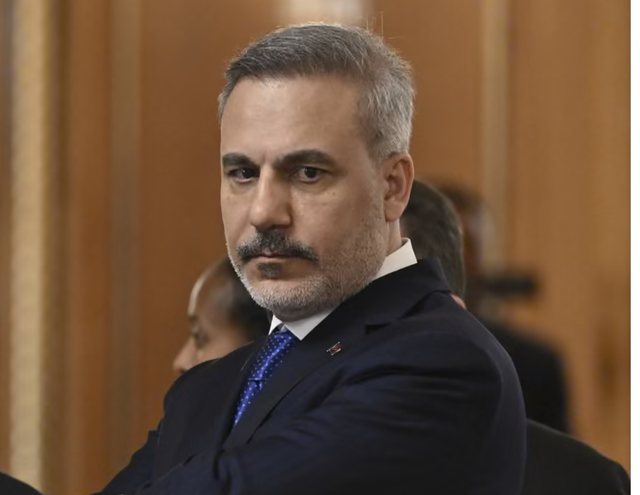
Turkey – Foreign Minister Hakan Fidan
Fidan represents Turkey under President Recep Tayyip Erdoğan, who according to the report has consolidated power through constitutional changes and the imprisonment of political opponents and journalists.
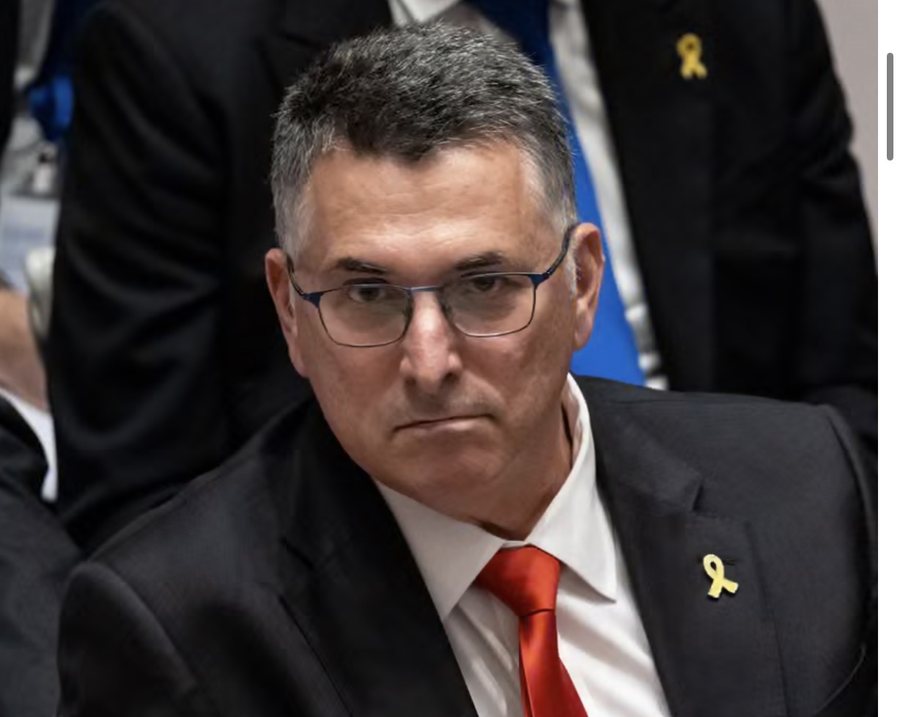
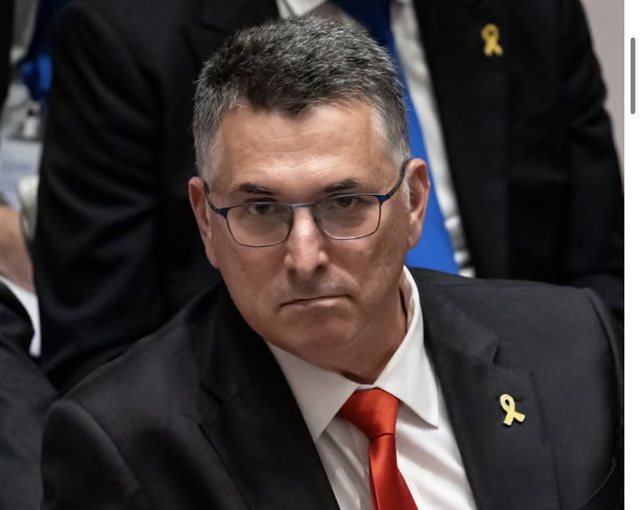
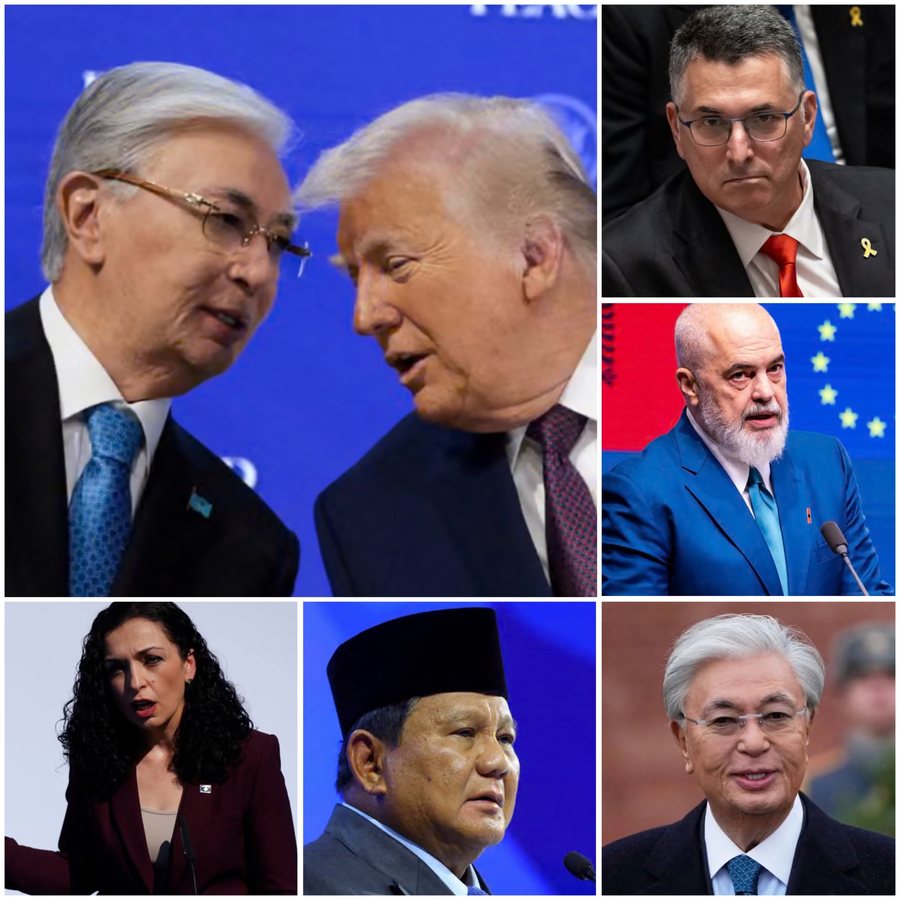
Israel – Foreign Minister Gideon Sa'ar
Israel is considered a parliamentary democracy for its citizens, but the report highlights the dire situation of Palestinians in Gaza and the West Bank, citing restrictions on political rights and the expansion of Jewish settlements.
Asia
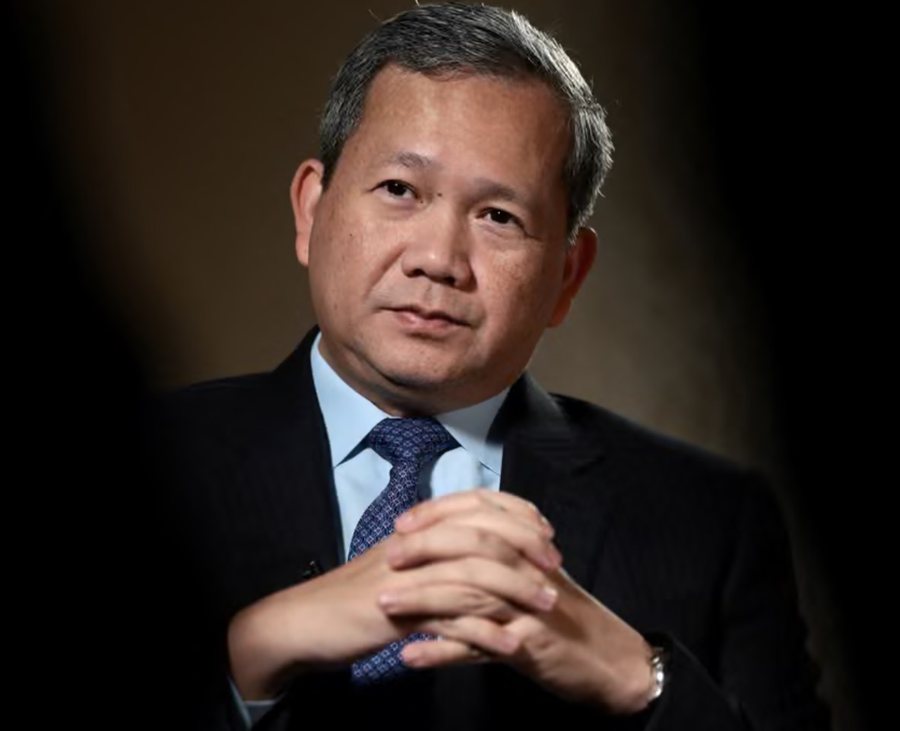
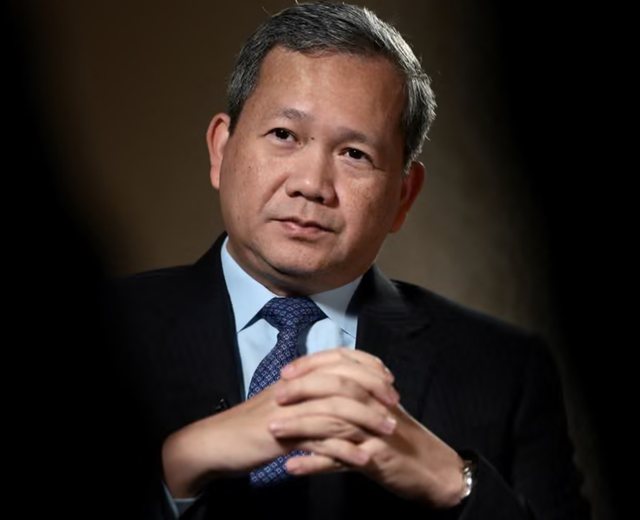
Cambodia – Prime Minister Hun Sen
The political system has been dominated for decades by the Cambodian People's Party. The transfer of power from Hun Sen to his son, Hun Manet, is considered an undemocratic transfer.
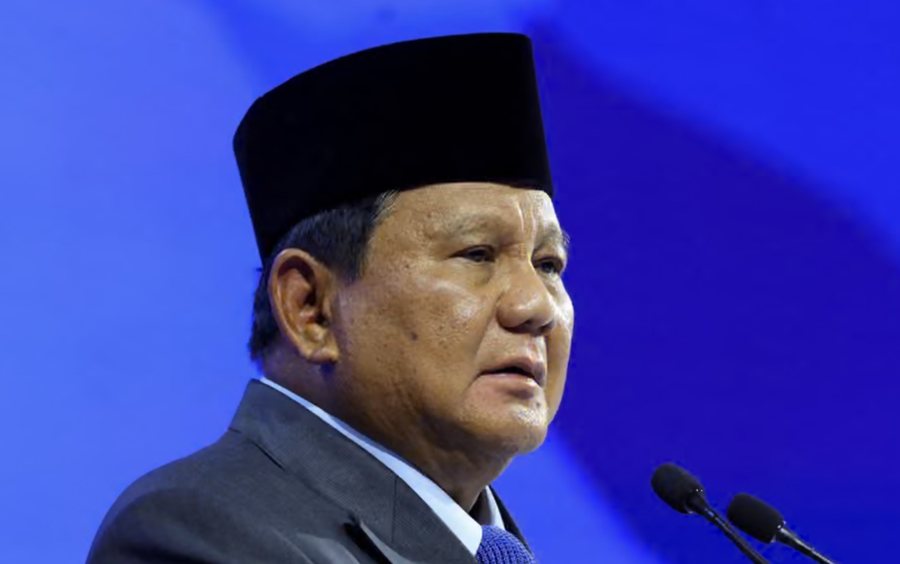
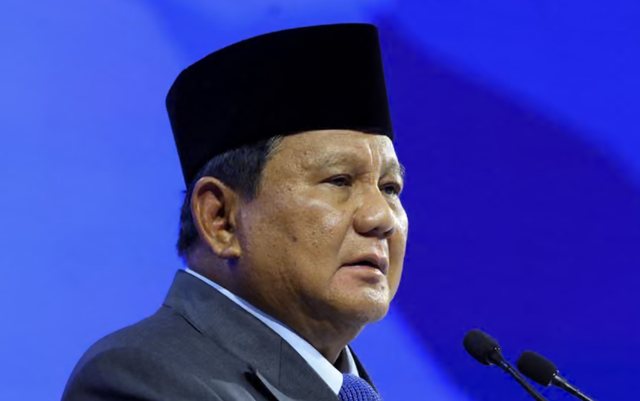
Indonesia – President Prabowo Subianto
Indonesia has made democratic progress since 1998, but challenges remain such as corruption, discrimination, and the politicized use of defamation and blasphemy laws.
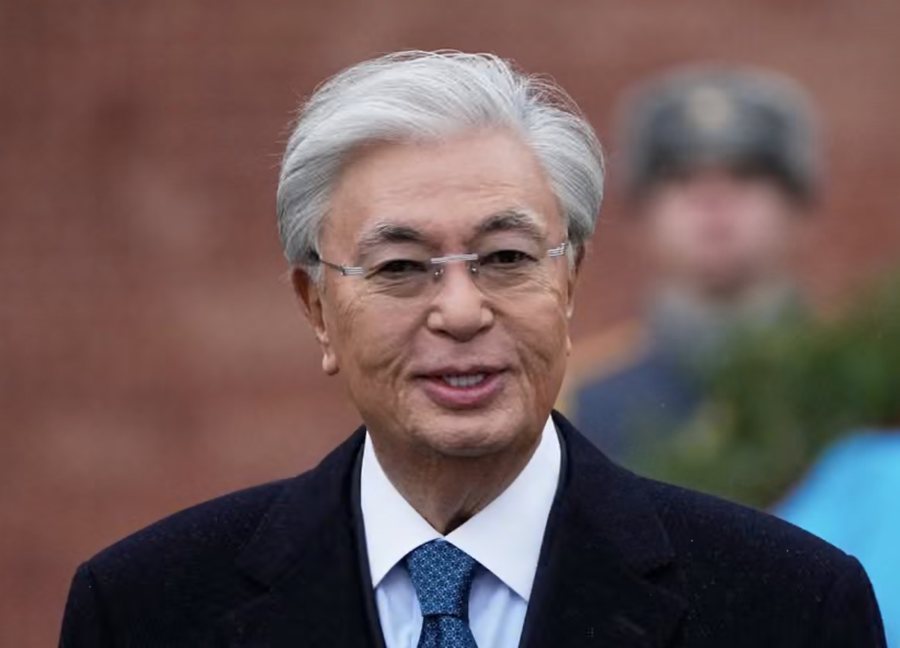
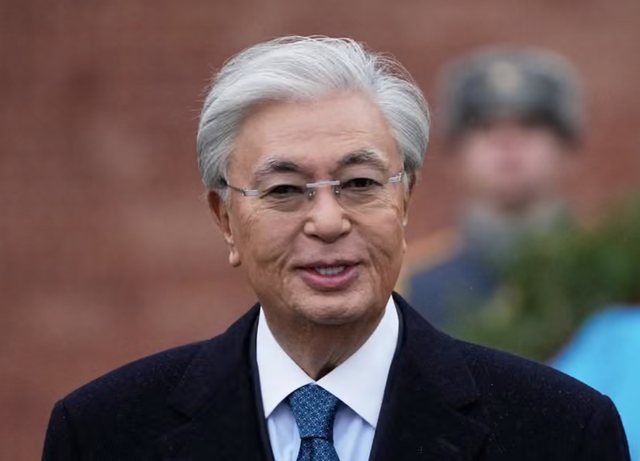
Kazakhstan – President Kassym-Jomart Tokayev
Elections are considered neither free nor fair. The mainstream media is controlled by the state or businessmen close to the government, while freedom of expression remains limited.
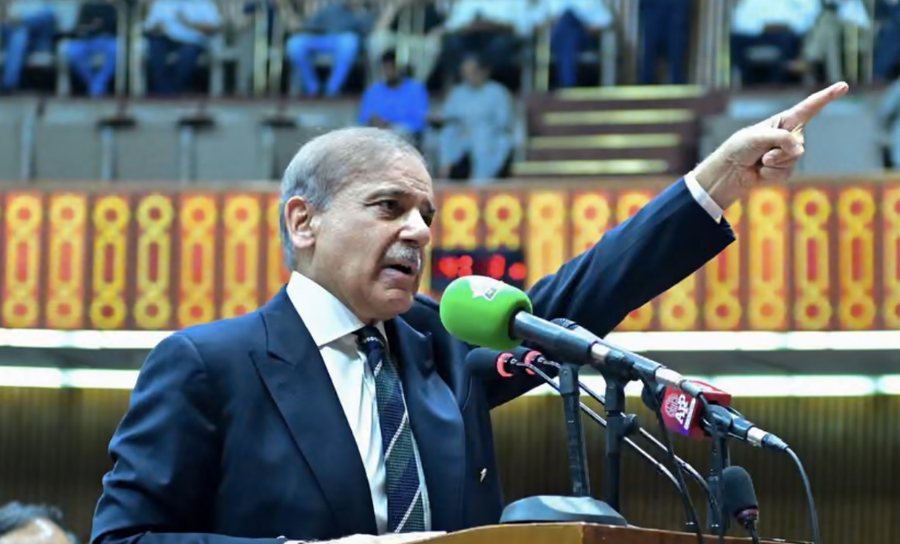
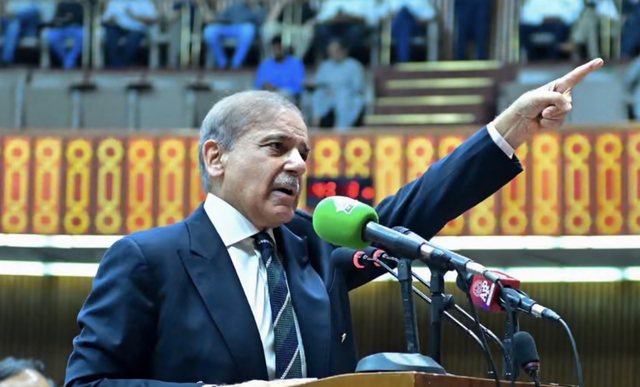
Pakistan – Prime Minister Shehbaz Sharif
Although it holds regular multi-party elections, the military exerts great influence over politics and the media, according to the report.
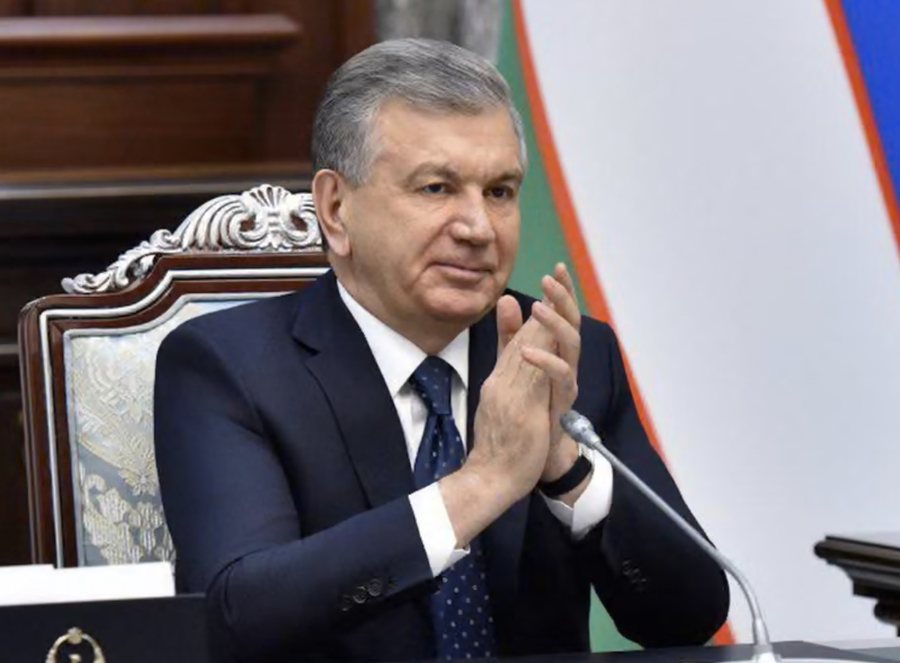
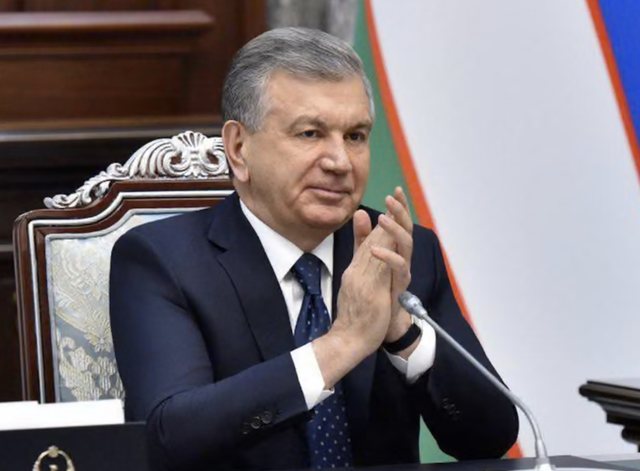
Uzbekistan – President Shavkat Mirziyoyev
Despite some reforms, the country remains authoritarian and without legal opposition parties.
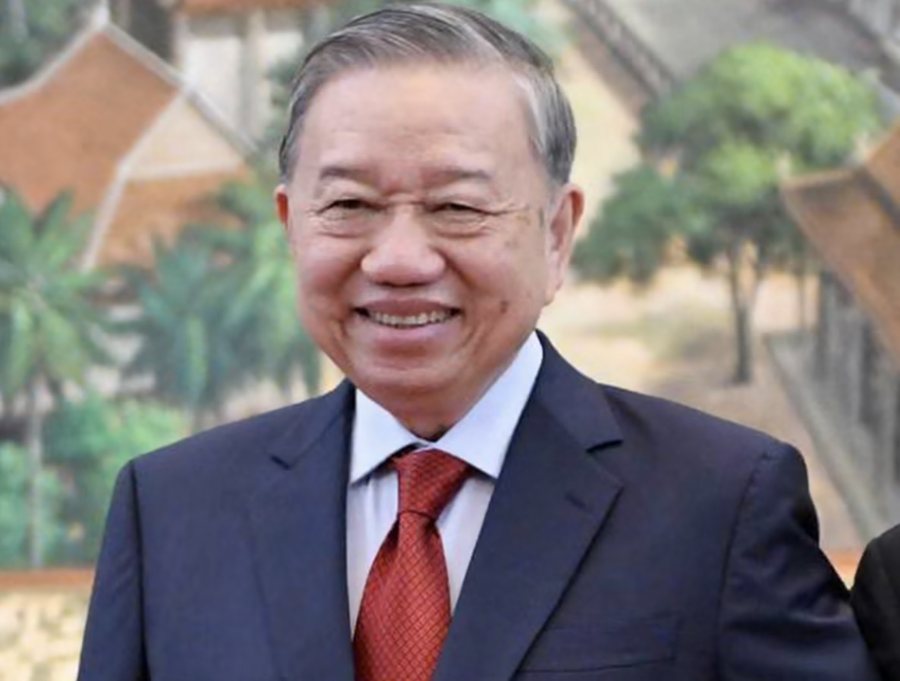
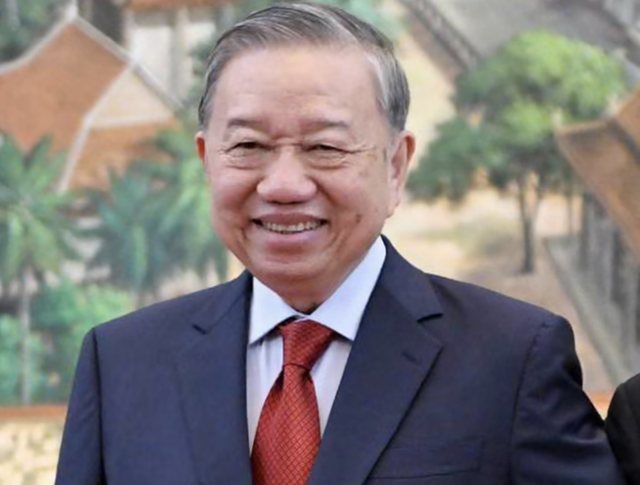
Vietnam – Secretary General Tô Lâm
Vietnam is a one-party state, with strong restrictions on freedom of expression and civil society activity.
europe
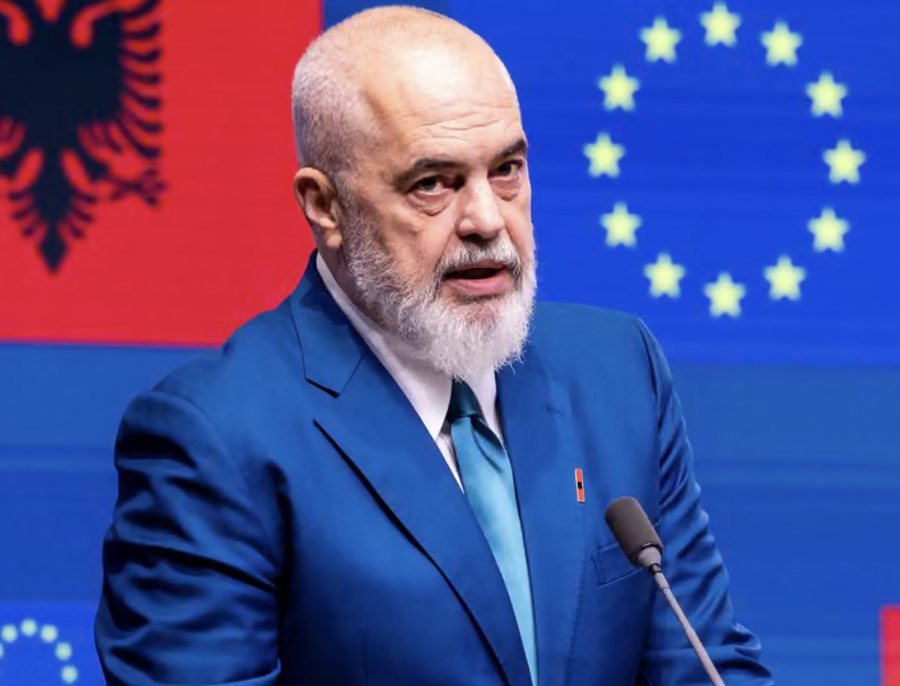
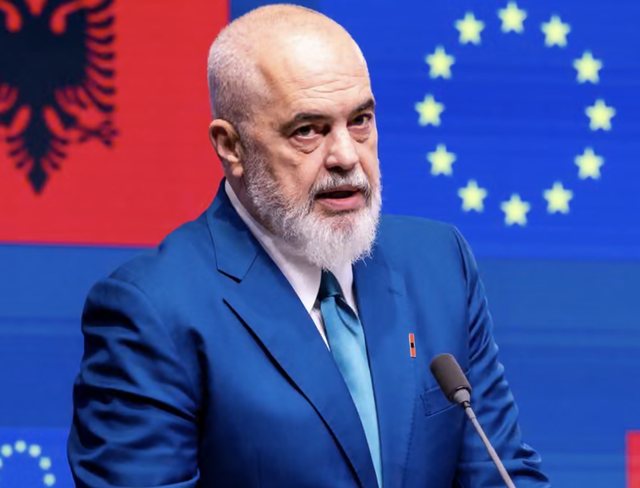
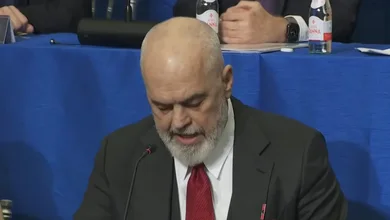
Albania, led by socialist artist and politician Edi Rama, was one of the founding members of the Peace Board. Rama said this week that the country will not become a permanent member, a status that comes with a cost of $1 billion.
The European country is considered “partly free” by Freedom House, which notes that Albania has a history of competitive elections. “Corruption and bribery remain major problems, however, the government is working to address corruption in the judicial system,” the report says.
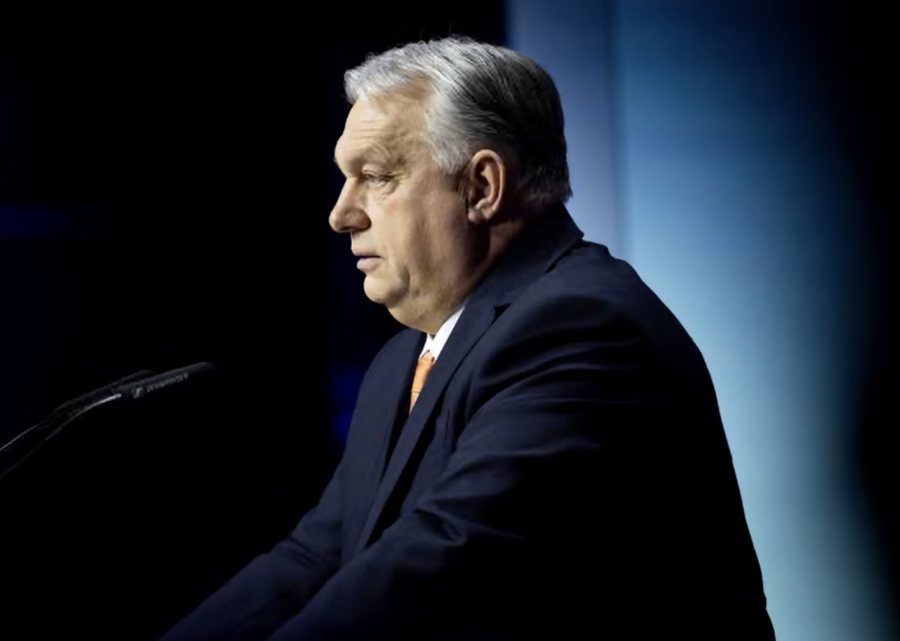
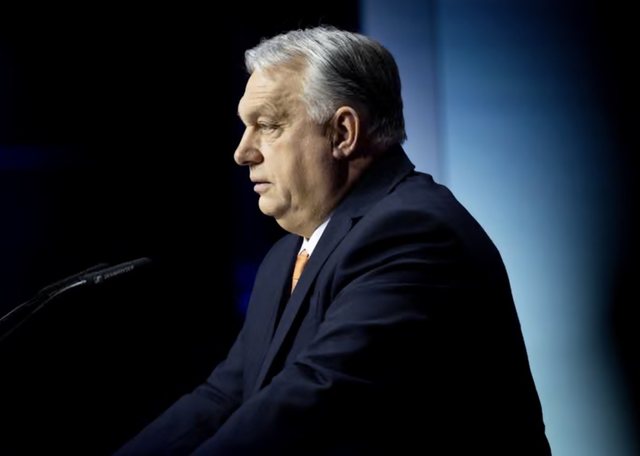
Hungary – Prime Minister Viktor Orbán
Orbán, a close ally of Trump in the EU, is accused of policies against immigrants and the LGBT+ community, as well as restrictions on the media and non-governmental organizations.
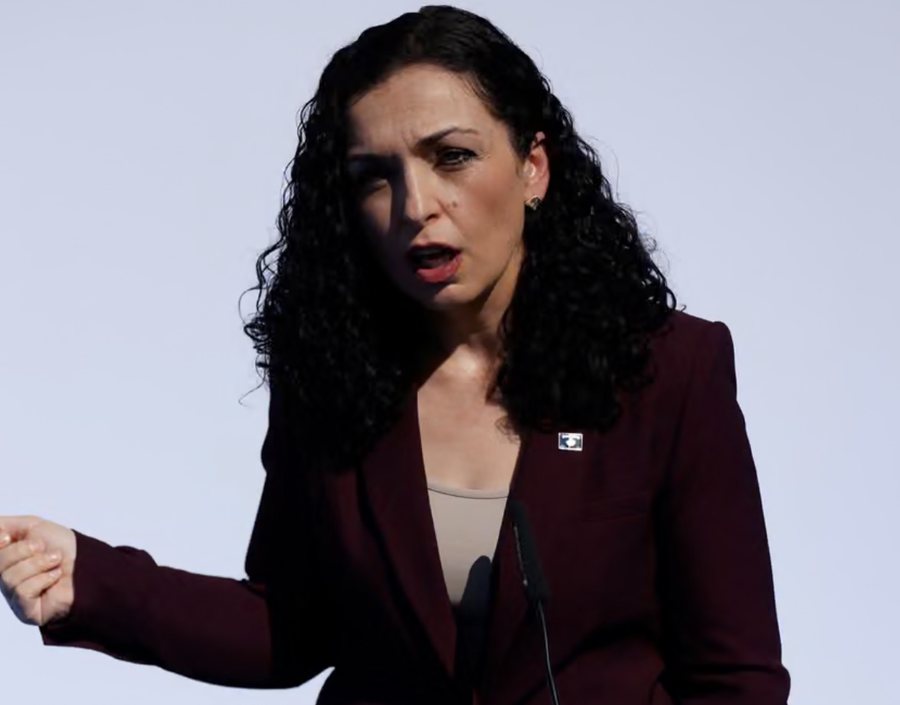
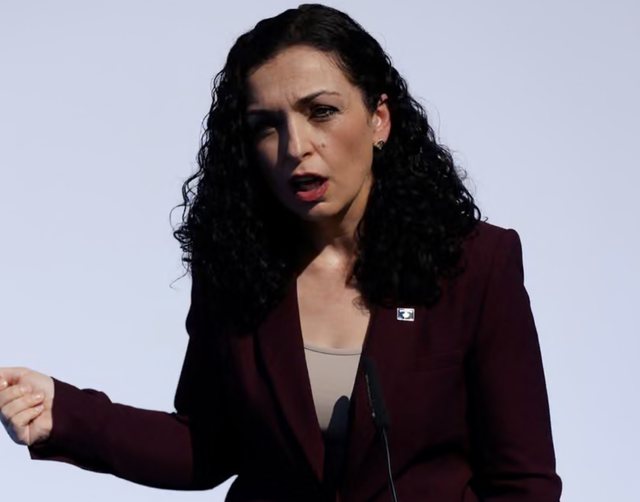
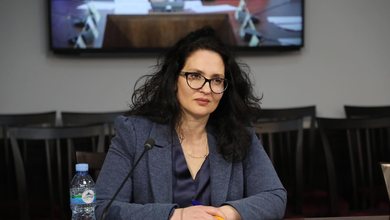
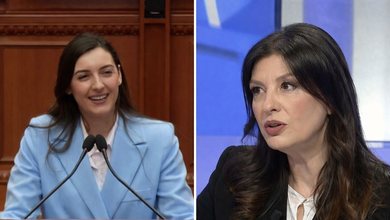
Kosovo – President Vjosa Osmani
Kosovo is considered "partly free", with credible elections, but with significant challenges in the fight against corruption.
South America
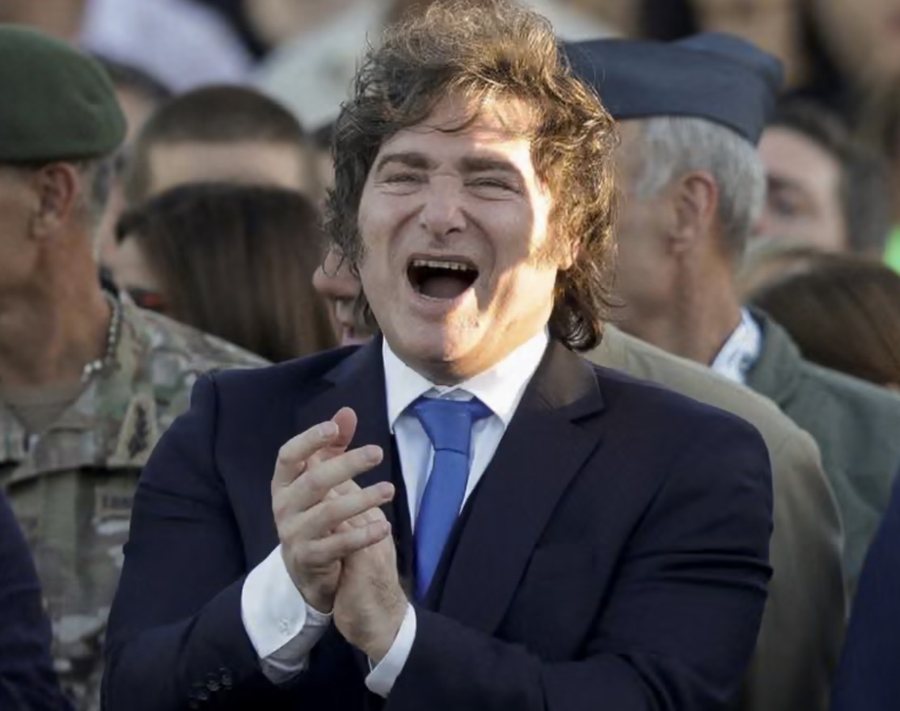
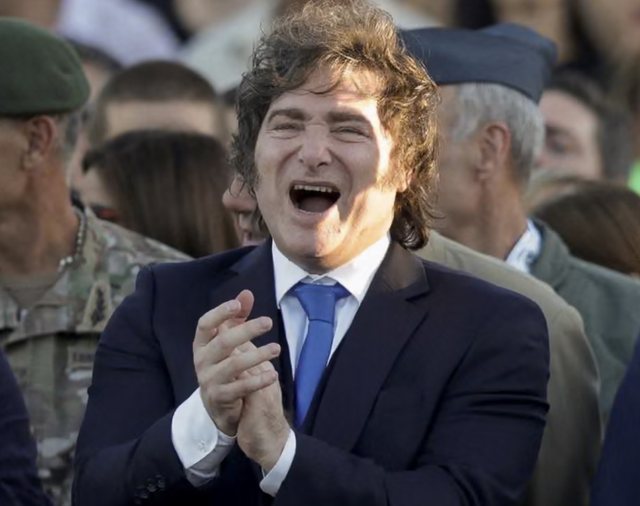
Argentina – President Javier Milei
Argentina is considered a functioning democracy with competitive elections and free public debate. However, President Milley has pursued controversial policies and is a close ally of Trump.
Taken from The Guardian