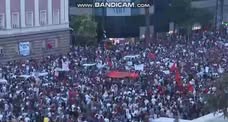


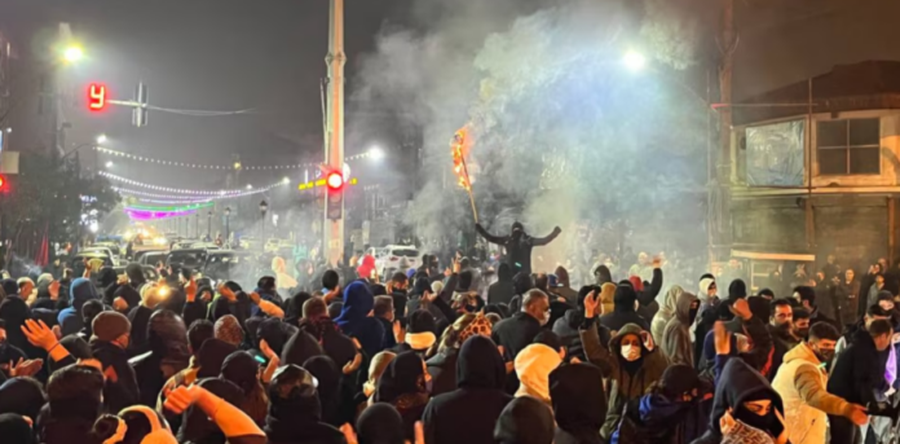
A month after Iran was rocked by the start of the deadliest protests in its history, the consequences of which are still in the spotlight.
On January 8 and 9, Iranian security forces launched what activists describe as the most brutal attack yet on citizens who had taken to the streets across the country, calling for regime change.
As international media coverage has gradually shifted to renewed negotiations between the United States and the Islamic Republic over Tehran's nuclear program, human rights groups and Iranians at home and abroad warn that repression on the ground has intensified. They describe a climate of fear, torture and systemic violence that pervades the country.
According to the US-based Human Rights Activists News Agency (HRANA), as of Monday, more than 6,400 protesters have been killed and over 51,500 others have been arrested on charges related to the demonstrations. Over 11,000 other related deaths remain under investigation.
Many injured protesters are still seeking medical advice from doctors on social media on how to treat their injuries at home, because they fear being arrested in hospitals by regime forces, who closely monitor hospitals to track down injured protesters.