


A new legal initiative recently filed in the Albanian Parliament by the deputy of the Vlora Region, Vullnet Sinaj, seeks to amend and add several key points to the law “On the completion of the transitional processes of ownership”. The proposal comes as a “last hope” for all those citizens and immigrants who, due to bureaucratic and objective reasons, have missed the deadlines to receive their property titles (AMTP), as well as a new powerful weapon in the hands of municipalities to fight the squatters of lands, roads and irrigation canals.
Under the current legal framework, the deadline to submit an application for AMTP to municipalities was November 7, 2020 (six months after the law came into force in May of that year). Anyone who failed to apply within this short window of time lost the right to obtain title to the agricultural land they actually own and work.
But, as MP Sinaj explains in his report, this deadline proved to be extremely punitive and unrealistic for the Albanian reality, especially for those living abroad.
"From my activity as an elected deputy of the Vlora district, I have been familiar with dozens and dozens of cases of residents who, due to lack of information, as well as because they have been emigrating, have not been able to apply for AMTP equipment by 07.11.2020," MP Sinaj underlines in the report.
According to him, this situation is not isolated only in the south of the country, but affects thousands of citizens in all municipalities of Albania. To resolve this impasse, the new draft law proposes to extend this deadline until December 31, 2027. This extended period is specifically intended to give time to emigrants who return to their homeland during summer vacations or end-of-year holidays.
Another hot spot that this draft law regulates is the treatment of occupation and damage to agricultural land. Until now, when someone occupies another person's road, drainage canal or even the land itself, the legitimate owner had no quick administrative solution. The current law on local self-government gives municipalities only general administrative powers, but no concrete executive or punitive mechanisms.
MP Sinaj clearly describes this bureaucratic horror that citizens are going through today:
"Today, a citizen who claims ownership of land or passages occupied in violation of the law by other persons must file a criminal complaint with law enforcement agencies, processes which, due to the length of the procedures, are not effective. On the other hand, a citizen is not entitled to file a lawsuit before the court in cases where he has not been able to obtain an AMTP and then an ownership certificate..."
To put an end to this saga, the draft law proposes the addition of Article 15/1. This new article gives municipal structures (village mayors, unit administrators, municipal police or agricultural workers) the duty to, as soon as they ascertain or receive notification of an occupation or damage, draft a report within 24 hours and send it to the Mayor.
After this, the Mayor has only 5 days to act:
It orders the immediate return of the land to its previous state or the release of roads and canals within a maximum period of 15 days.
If the occupier does not comply, the municipal structures will execute the release by force, while all invoices for the expenses of this operation will be charged and collected from the violators themselves.
Any appeal that the violator may file with the administrative court will not suspend the implementation of the municipality's decision - a measure that prevents the property from being further blocked for years through legal proceedings.
Protection even for those who have not yet received the letters from the state
An extremely important innovation of the draft law is the protection offered to citizens who are legal beneficiaries of the land, but due to institutional delays, have not yet physically received the AMTP document or the ownership certificate. These citizens will now be fully legitimized to address the municipality to denounce the violation of their property. This prevents abusive squatters from taking advantage of Cadastre (ASHK) delays to appropriate the properties of others.
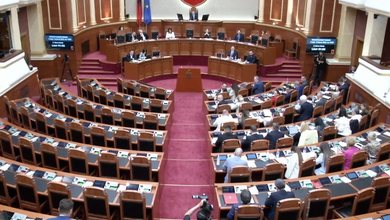
According to the report, this draft law does not carry any cost or financial effect for the state budget. It only aims to increase efficiency on the ground and establish a rule that has been missing for years in the rural areas of the country. The initiative has already been reviewed by the parliamentary committees of the Assembly and is expected to be discussed in the upcoming plenary sessions.