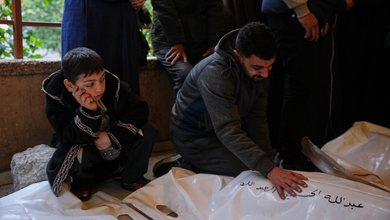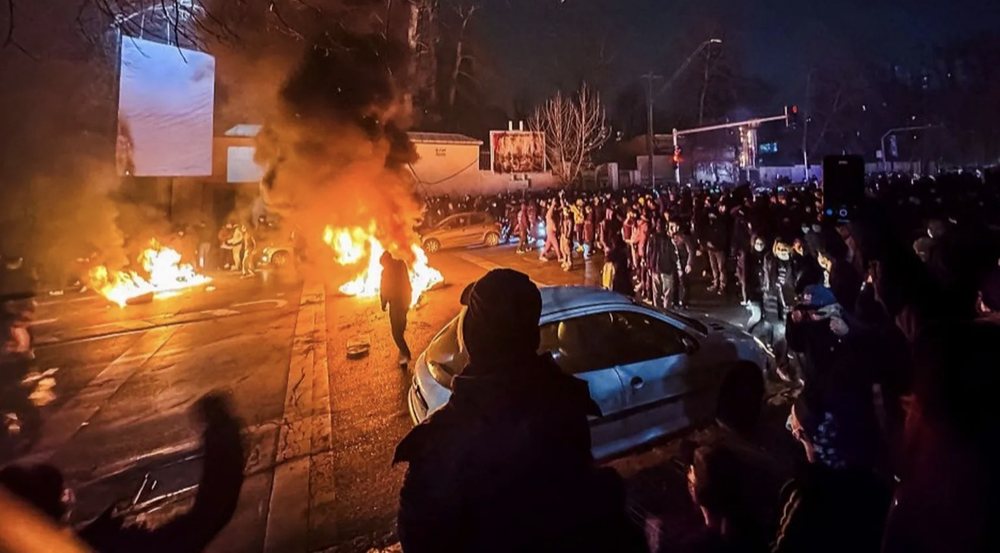
Protesters in Iran took to the streets again on Saturday night, defying a crackdown by security forces, with hundreds reported killed and injured over the past three days. Verified videos and eyewitness accounts reviewed by the BBC show the authorities are stepping up their response, amid a nationwide internet blackout.
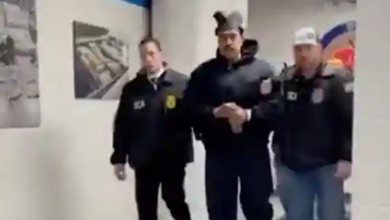
Iran's Prosecutor General, Mohammad Movahedi Azad, declared that anyone protesting would be considered an "enemy of God," a charge that carries the death penalty. According to a human rights organization, over 2,500 people have been arrested since the protests began on December 28.
The protests, sparked by high inflation, have spread to more than 100 cities and towns across Iran's provinces. Now, calls have broadened to an end to the clerical rule of Supreme Leader Ayatollah Ali Khamenei, who has called the protesters "a bunch of vandals" seeking to "please" US President Donald Trump.
Trump has warned that the US will hit Iran “very hard” if they “start killing people.” Meanwhile, the speaker of the Iranian Parliament, Mohammad Baqer Qalibaf, has warned that any US attack would make Israel and US military and naval bases in the region legitimate targets for Tehran.
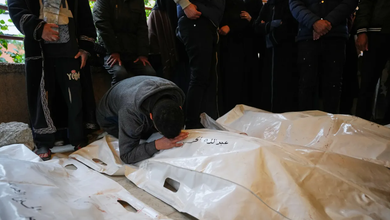
The death toll is rising. BBC sources and the HRANA organization report over 100 dead, including security forces. Hospitals in several cities are overwhelmed. BBC Persian verified 70 bodies delivered to a hospital in the city of Rasht alone on Friday night, while a health worker reported around 38 deaths in a hospital in Tehran.
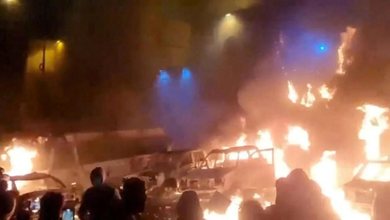
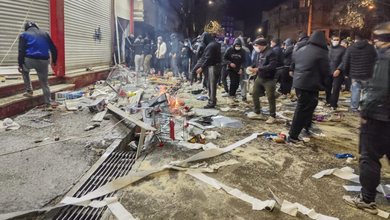
Due to the internet blockade and the inability of international media to report from inside Iran, verifying information is difficult. However, confirmed videos show violent clashes between protesters and security forces in Tehran, Mashhad and other cities. The footage shows mass protests, arson, gunfire and calls against the clerical establishment.
According to experts, the current internet blockade is the most severe since the "Women, Life, Freedom" uprising of 2022. Access to the outside world has been almost cut off, while satellite connections via Starlink remain the only alternative, with high risks for users.
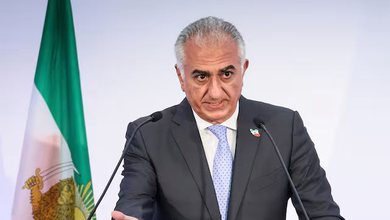
From the US, Reza Pahlavi, the son of Iran's last shah, urged protesters to continue taking to the streets, saying the regime was facing a shortage of forces and defections. These claims have not been verified by the BBC.
Amnesty International announced that it is analyzing disturbing reports of the unlawful use of deadly force by the Iranian authorities, while British diplomacy urged that voices against the regime not face violence and repression.
These are the largest protests since 2022, when the death of Mahsa Amin in custody sparked a wave of demonstrations, where according to human rights organizations, over 550 people were killed and around 20,000 others were arrested.