When US Secretary of State Marco Rubio meets with his Danish and Greenlandic counterparts next week, Denmark will find itself defending a territory that has been gradually moving towards independence since 1979. US President Donald Trump's threats to take control of Greenland have spurred European solidarity with Denmark, but they have also exposed an uncomfortable reality: Copenhagen is mobilizing support to preserve a territory whose population wants independence.
The situation is further complicated by the fact that the largest opposition party in Greenland is seeking to bypass Denmark and negotiate directly with Washington. According to analysts, Denmark risks spending considerable diplomatic capital to hold on to Greenland, only to see it leave later.
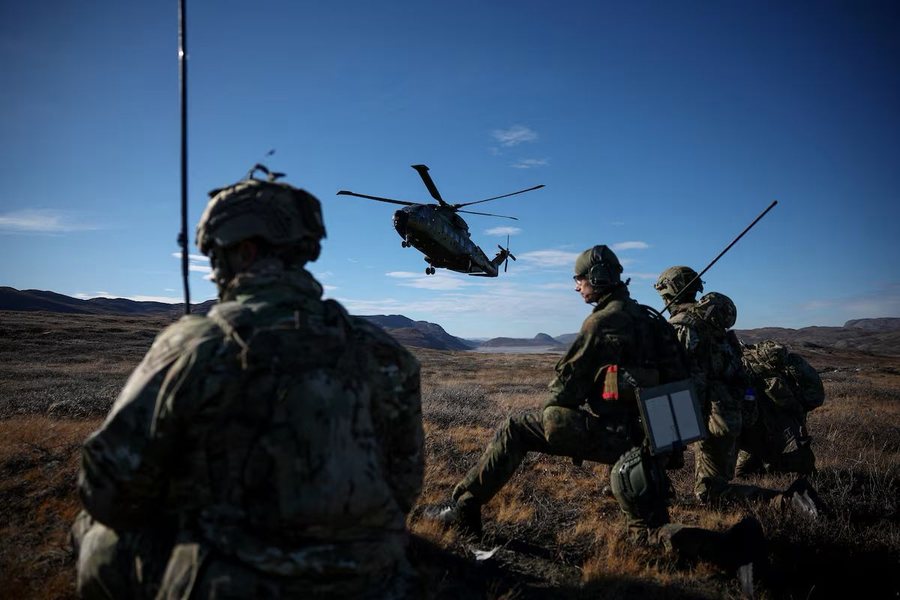
Greenland is of great strategic importance to Denmark and its Western allies: it lies between Europe and North America and is a key part of the US ballistic missile defense system. Trump has stated that he wants the mineral-rich island to become part of the US, not ruling out purchase or the use of force.
Meanwhile, aspirations for self-determination in Greenland are long-standing. Since the expanded autonomy in 1979 and the 2009 agreement, which recognizes the right to independence, all Greenlandic parties have spoken out in favor of independence, although with different approaches to the method and timing.
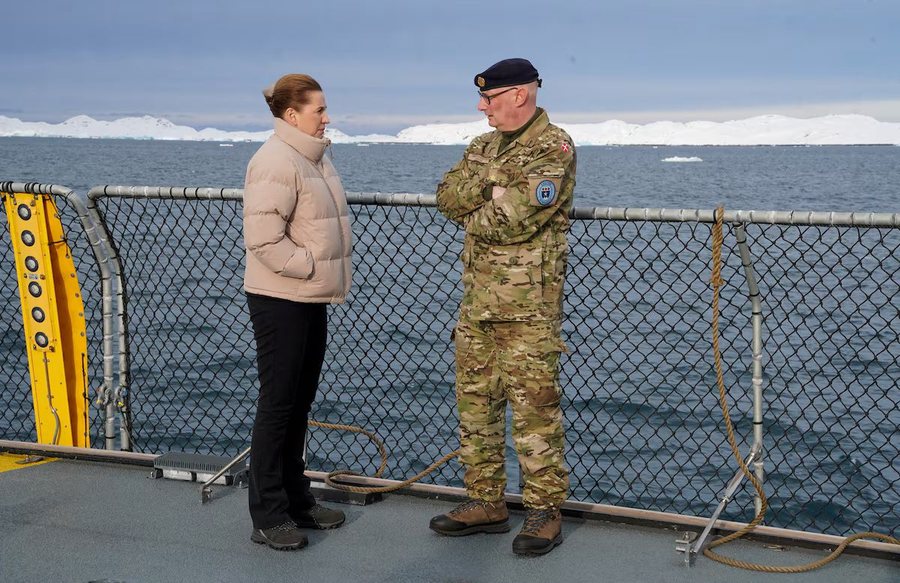
The financial cost to Denmark is high. It gives Greenland about 4.3 billion Danish kroner a year and covers expenses for police, justice and defense, bringing the annual bill to close to $1 billion. In addition, Copenhagen has announced a 42 billion kroner package for Arctic defense, following US criticism that Denmark is not doing enough to secure the island.
Danish Prime Minister Mette Frederiksen faces a difficult balancing act: protecting Denmark's sovereignty and diplomatic credibility without damaging relations with the United States at a time when the Russian threat is growing. At the same time, there is growing debate within Denmark about how much sense it makes to maintain a connection with a territory that clearly wants to leave.
The Greenland crisis is not just affecting Denmark. European allies see the issue as a dangerous precedent for the post-1945 international order, where borders and the sovereignty of states are considered inviolable.